Copyright © 2026 Yorke Antique Textiles
.avif)


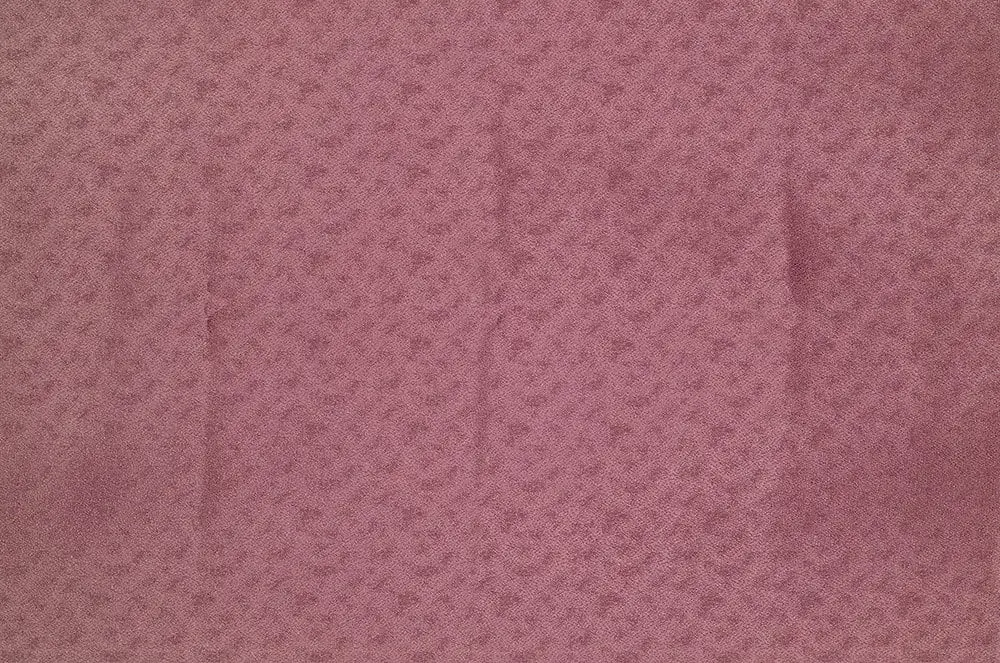
This sophisticated textile originates from Japan’s late Showa period (1950–1980) and represents a complete, full-length panel from a disassembled kimono. Measuring 14 inches by 72 inches (36 cm x 183 cm), the fabric is a premium example of rinzu silk, a high-luster damask weave celebrated for its characteristic shine and incredibly soft texture. The color is a deep, saturated shade reminiscent of dried red wine, which interacts dynamically with the light due to the silk's inherent sheen. This piece is in mint condition, showing no signs of wear and benefiting from the meticulous removal of original construction threads.
The visual appeal of this panel lies in its monochromatic depth. Unlike printed or embroidered silks, this rinzu relies on the complexity of its weave to create subtle, shifting patterns that appear and disappear as the fabric moves. The result is a textile with a remarkable shine and an excellent, fluid drape that feels substantial yet exceptionally smooth to the touch. This scholarly example of post-war textile production highlights the Japanese mastery of singular, saturated dyes paired with complex structural weaving.

Payment Options: We primarily accept PayPal for all transactions. Credit and debit cards are not accepted. If you prefer to pay by personal check instead of PayPal, please note this preference in the "Additional comments" field when placing your order.Ordering Process
To receive your PayPal invoice, simply fill out the form.
Shipping Details: We ship all orders to the address associated with your PayPal payment. Please ensure your PayPal shipping address is current and accurate.A phone number is required during checkout, as our shipping carrier may need to contact you regarding delivery questions.Shipping RatesUnited States and Canada: $20International destinations (air mail): $40
