Copyright © 2026 Yorke Antique Textiles
.avif)

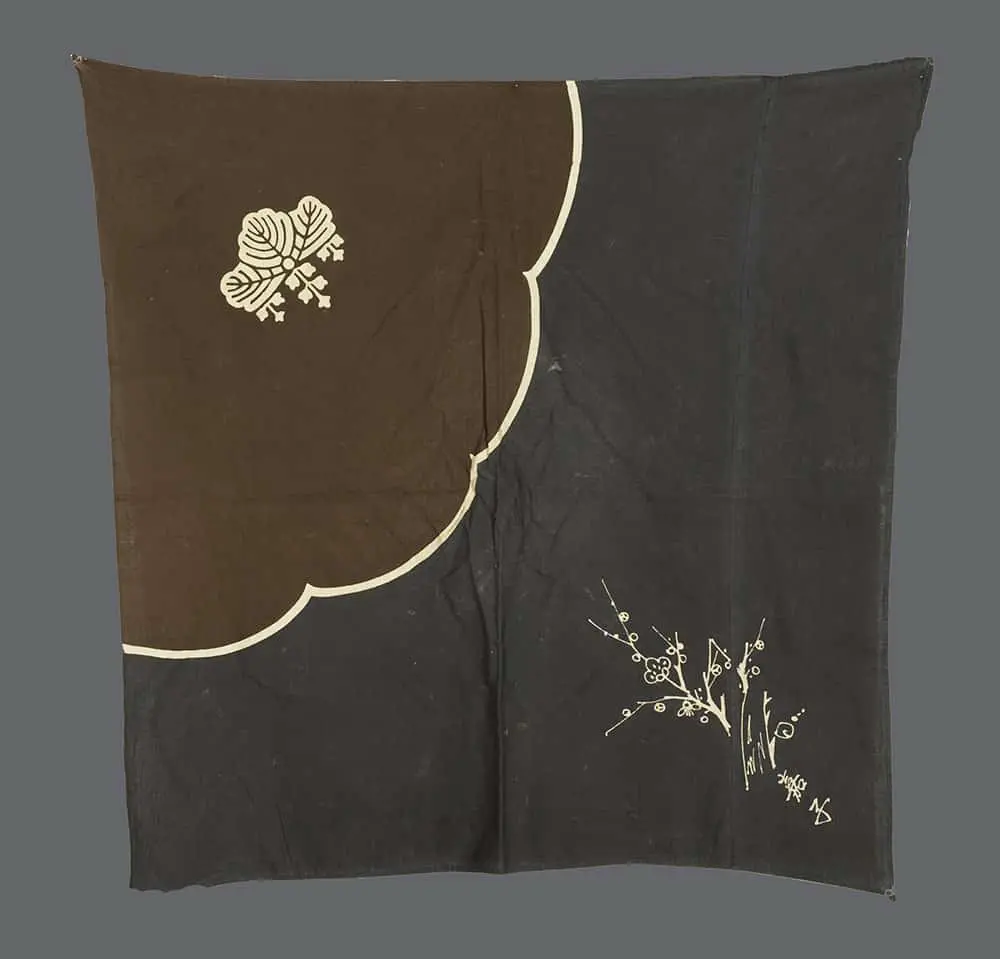
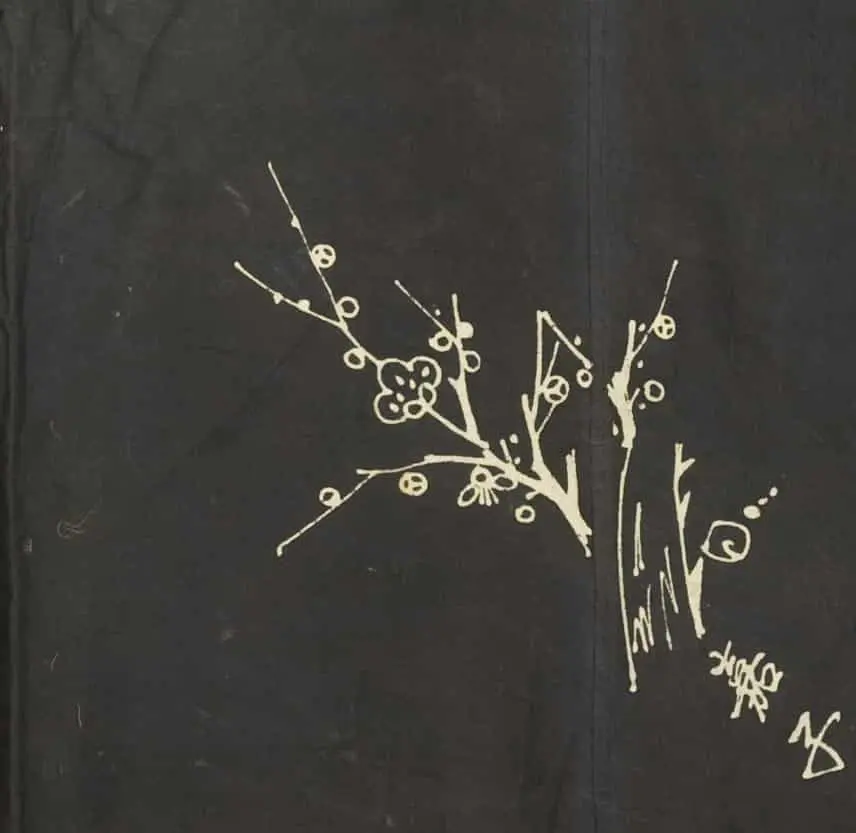
This classic cotton indigo-dyed furoshiki (traditional wrapping cloth) from Japan dates to the early Showa period (1926–1940). Measuring 46 inches by 47 inches (117 cm x 119 cm), the textile is in very good condition and serves as a fine example of utilitarian folk art. It features designs created using the tsutsugaki technique, a freehand resist-dyeing method where rice paste is applied through a paper or metal tube before the fabric is dipped in indigo.
The central composition is dominated by a large paulownia (kiri) crest, a prestigious symbol in Japanese culture associated with the Imperial family and later adopted as the official emblem of the Japanese government. Legend holds that the paulownia is the only tree upon which the mythical phoenix will land, making it a powerful symbol of good fortune. Surrounding the central crest are delicate plum blossoms (ume), which represent resilience and strength as they are the first flowers to bloom in late winter. In the corners, scrolling arabesque (karakusa) patterns symbolize prosperity and the continuity of life.

Payment Options: We primarily accept PayPal for all transactions. Credit and debit cards are not accepted. If you prefer to pay by personal check instead of PayPal, please note this preference in the "Additional comments" field when placing your order.Ordering Process
To receive your PayPal invoice, simply fill out the form.
Shipping Details: We ship all orders to the address associated with your PayPal payment. Please ensure your PayPal shipping address is current and accurate.A phone number is required during checkout, as our shipping carrier may need to contact you regarding delivery questions.Shipping RatesUnited States and Canada: $20International destinations (air mail): $40
