Copyright © 2026 Yorke Antique Textiles
.avif)

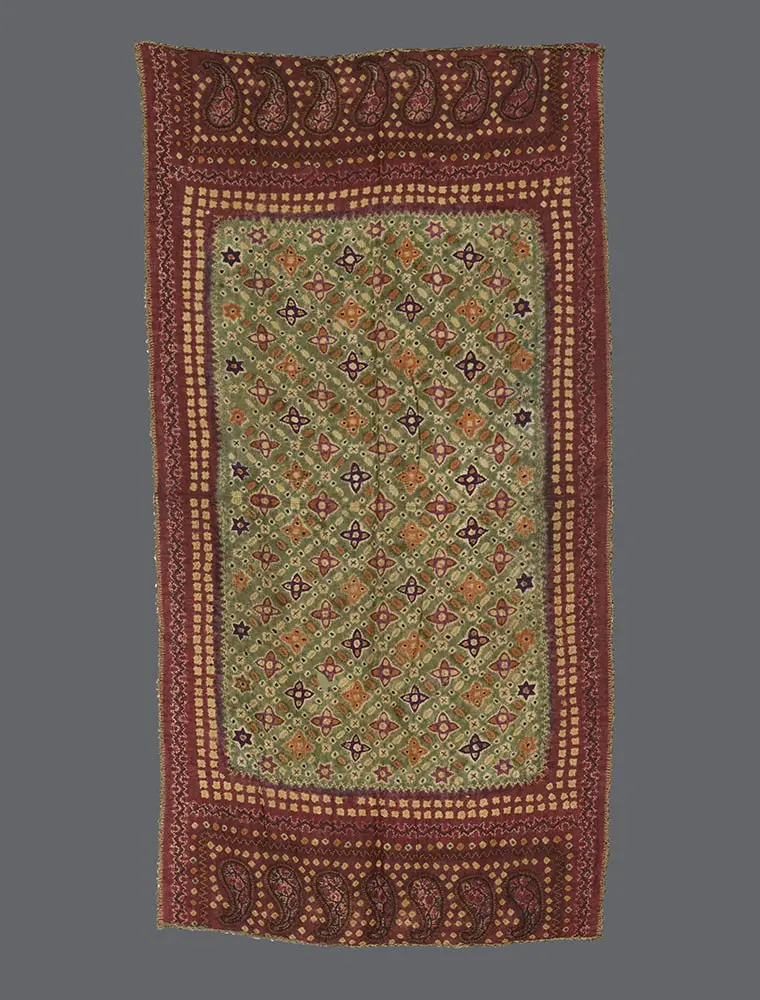
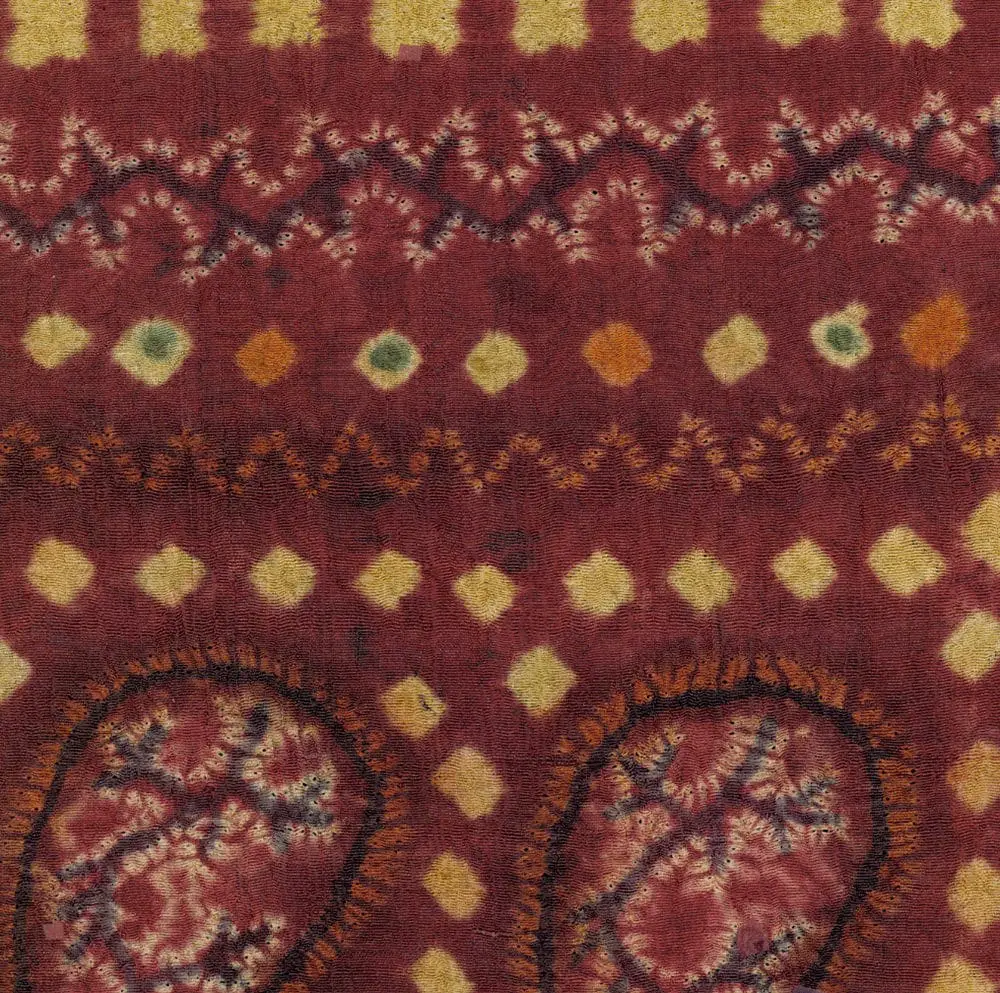
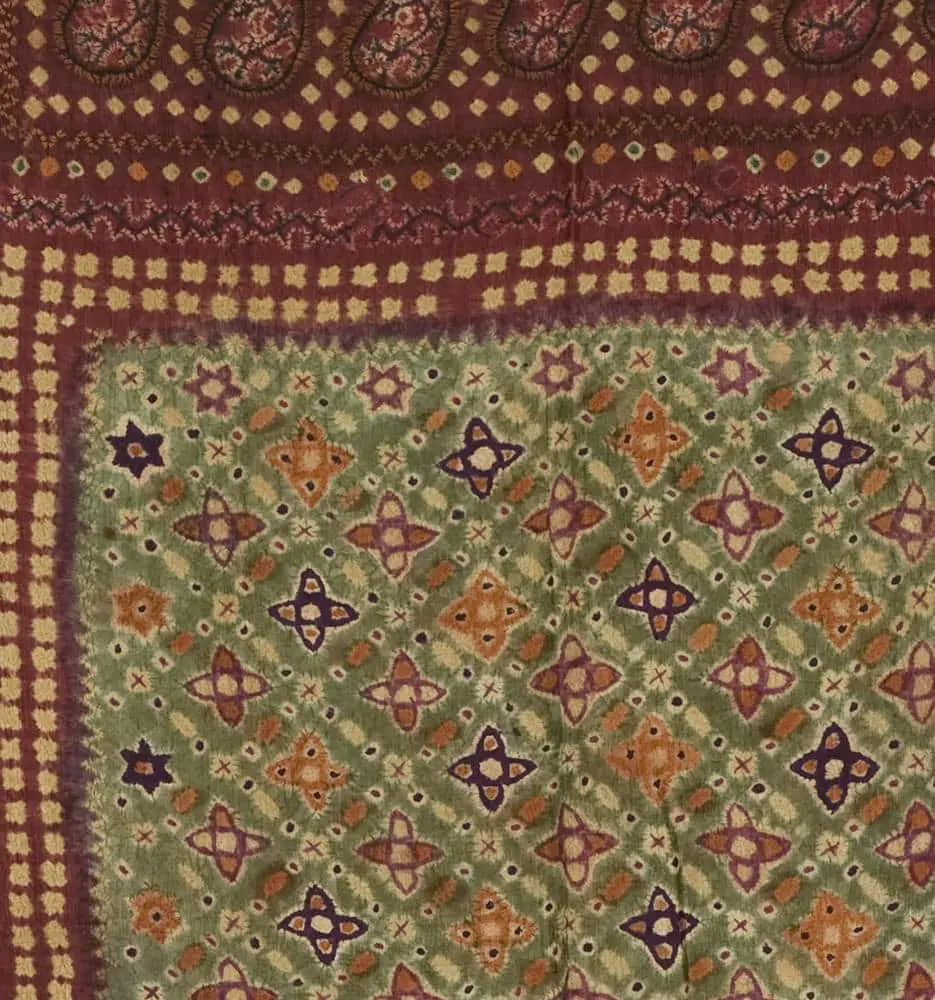
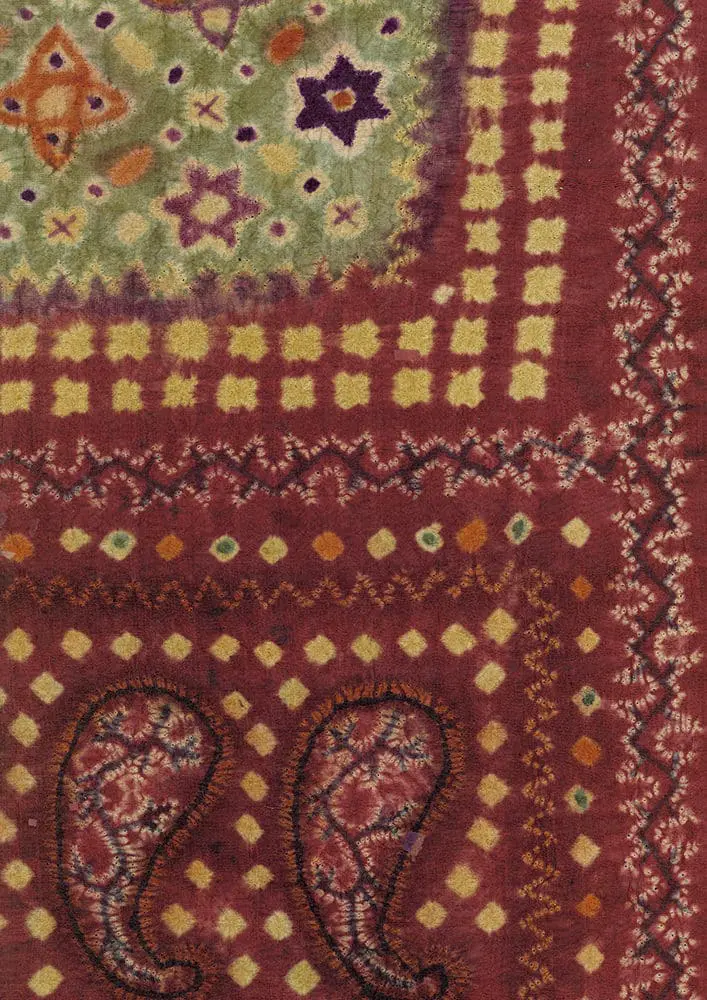
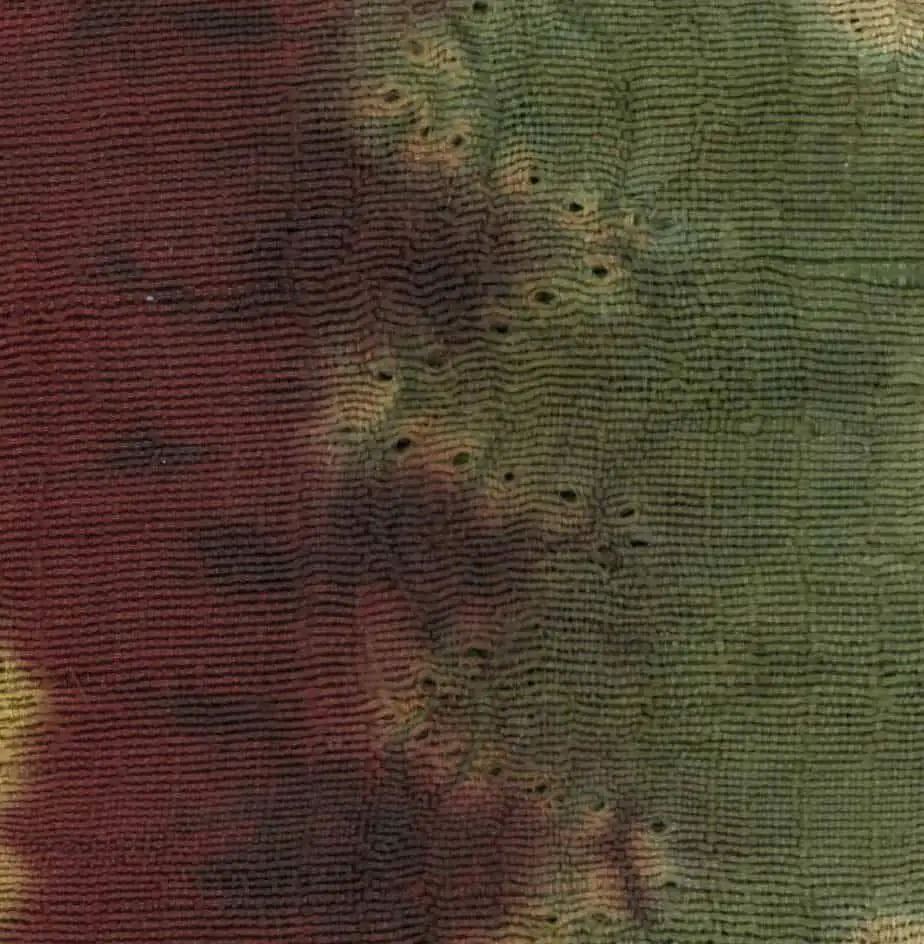

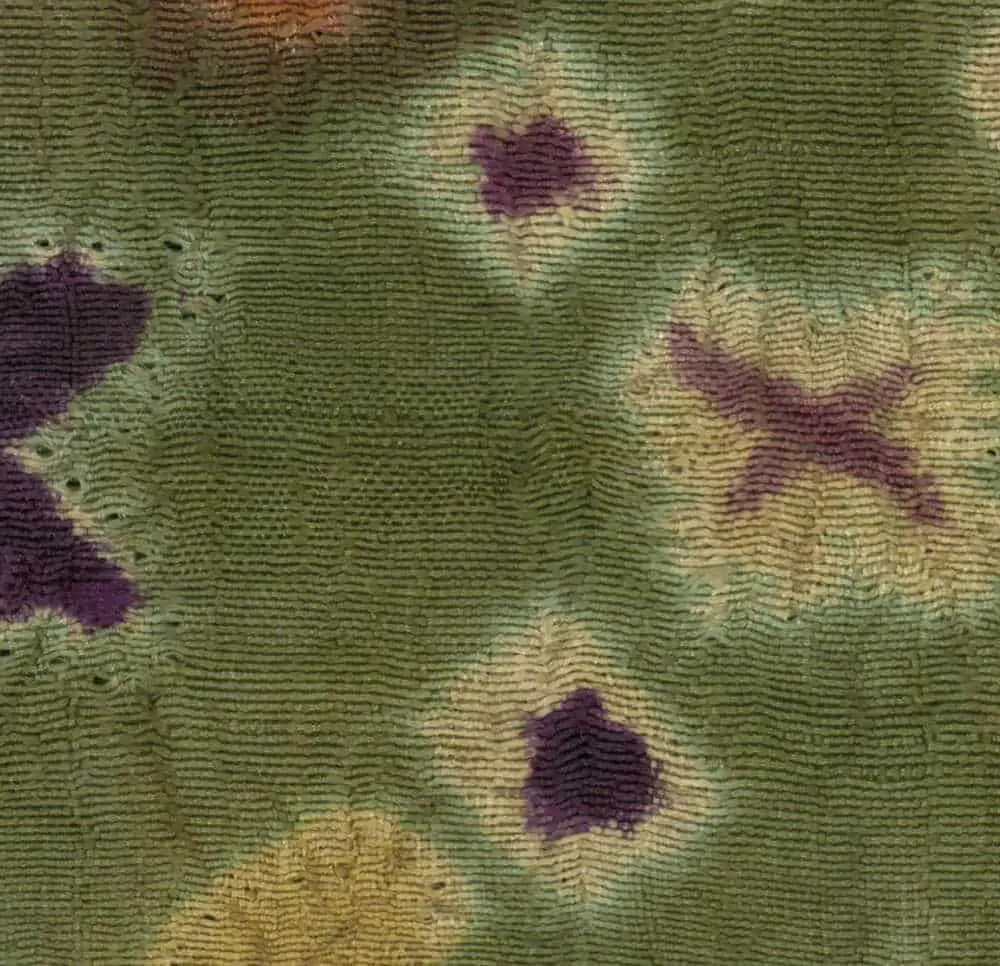

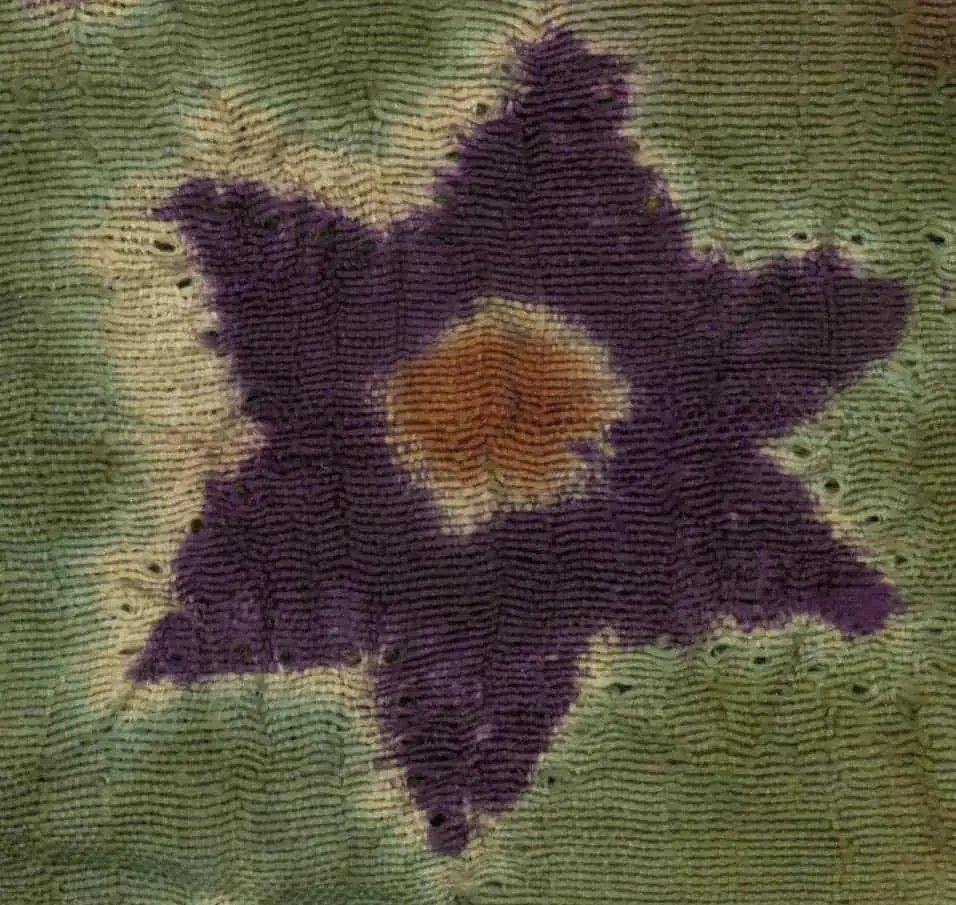
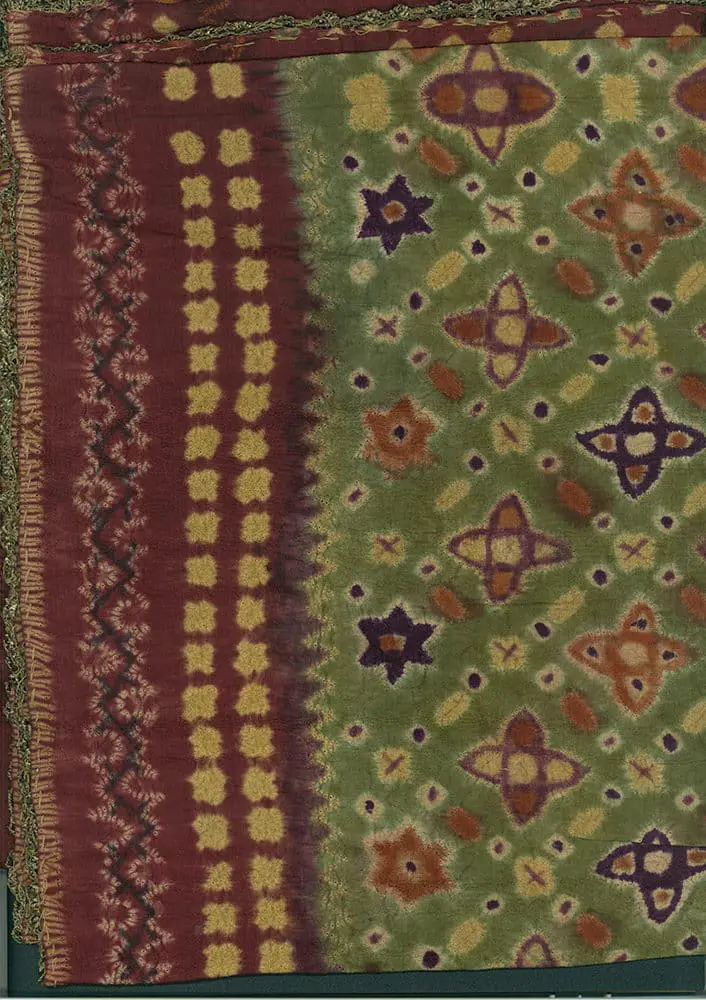
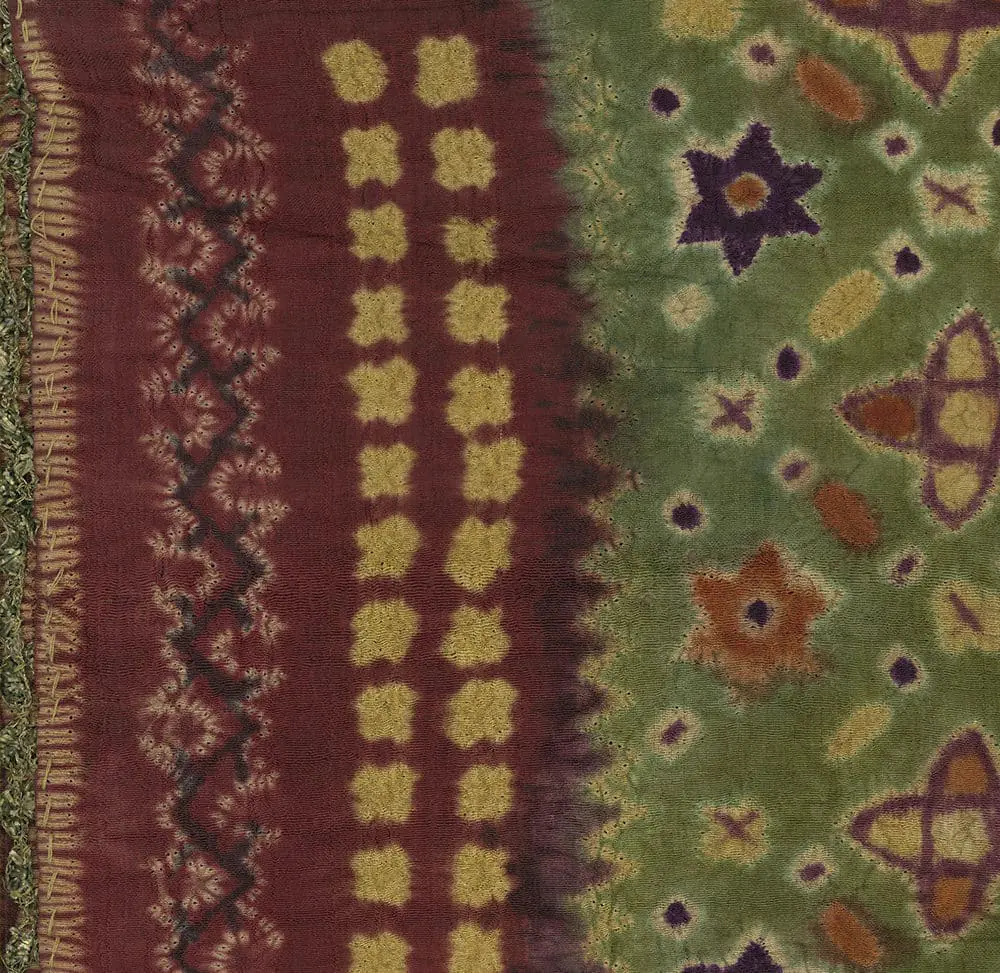

This luxurious silk pelangi (tie-dye) shouldercloth, originating from Palembang, South Sumatra, Indonesia between 1900 and 1920, is a vibrant testament to the region's rich silk-weaving heritage. Measuring 66 inches by 33 inches (168 cm x 84 cm), the textile features a striking green centerfield that contrasts sharply with deep cherry-red borders. The central field is organized into a grid of pale yellow, white, and orange lozenges, each containing four-petalled flowers and multi-colored stars in shades of violet, mauve, orange, and cream.
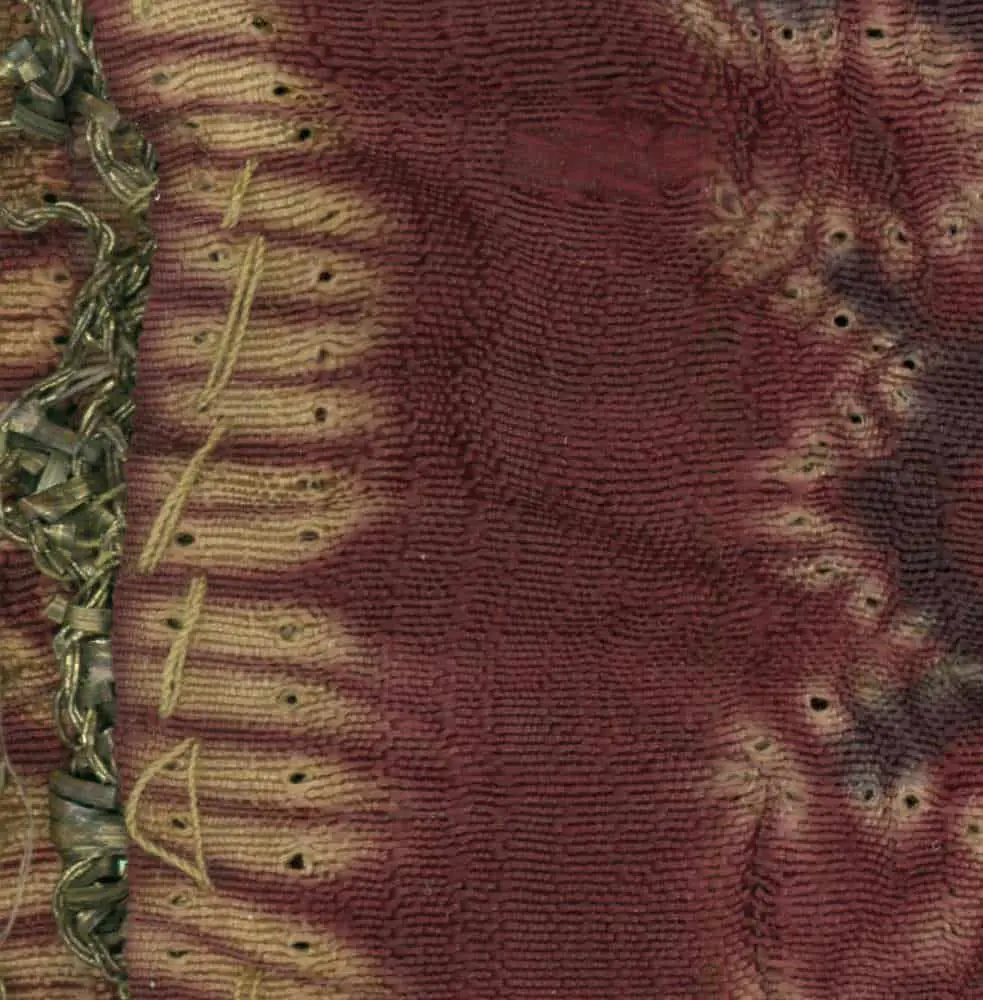
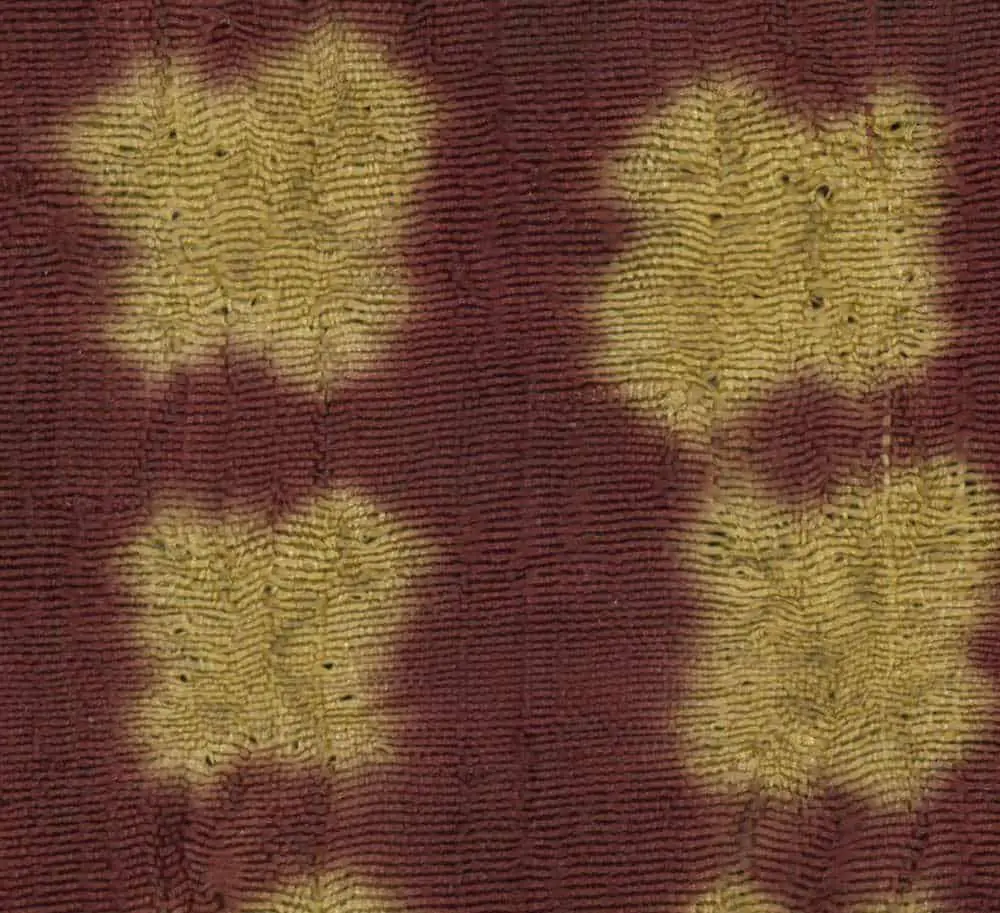
The craftsmanship of this piece is exceptional, utilizing a combination of plangi (tie-dye) and tritik (stitch-resist) techniques. A unique characteristic of this specific cloth is the hand-painted mauve and violet sections, which were added after the primary dyeing process. The borders are particularly sophisticated, featuring double rows of yellow square crosses, blue and white zigzag stitch-resist lines, and a glimmering line of lozenges edged with gold lace. Seven elaborate palmetto motifs at each end serve as the textile's tour de force. The silk remains in excellent condition, retaining its strength and a lively sheen.

Payment Options: We primarily accept PayPal for all transactions. Credit and debit cards are not accepted. If you prefer to pay by personal check instead of PayPal, please note this preference in the "Additional comments" field when placing your order.Ordering Process
To receive your PayPal invoice, simply fill out the form.
Shipping Details: We ship all orders to the address associated with your PayPal payment. Please ensure your PayPal shipping address is current and accurate.A phone number is required during checkout, as our shipping carrier may need to contact you regarding delivery questions.Shipping RatesUnited States and Canada: $20International destinations (air mail): $40
