Copyright © 2026 Yorke Antique Textiles
.avif)

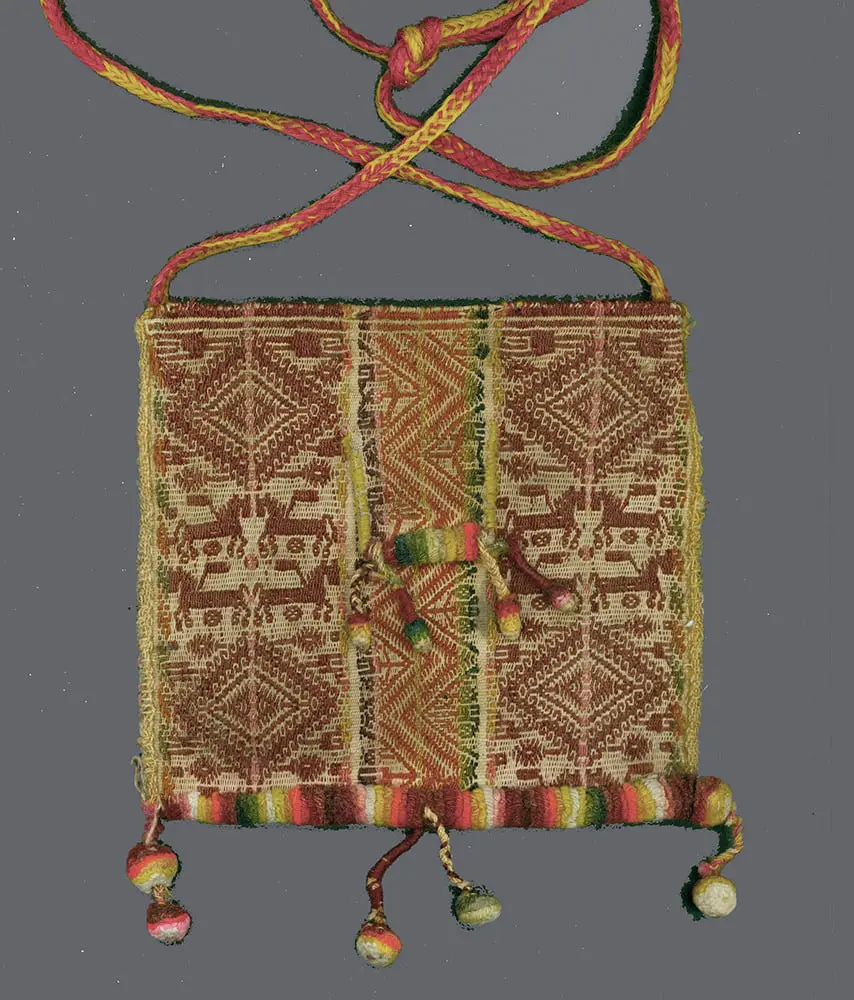
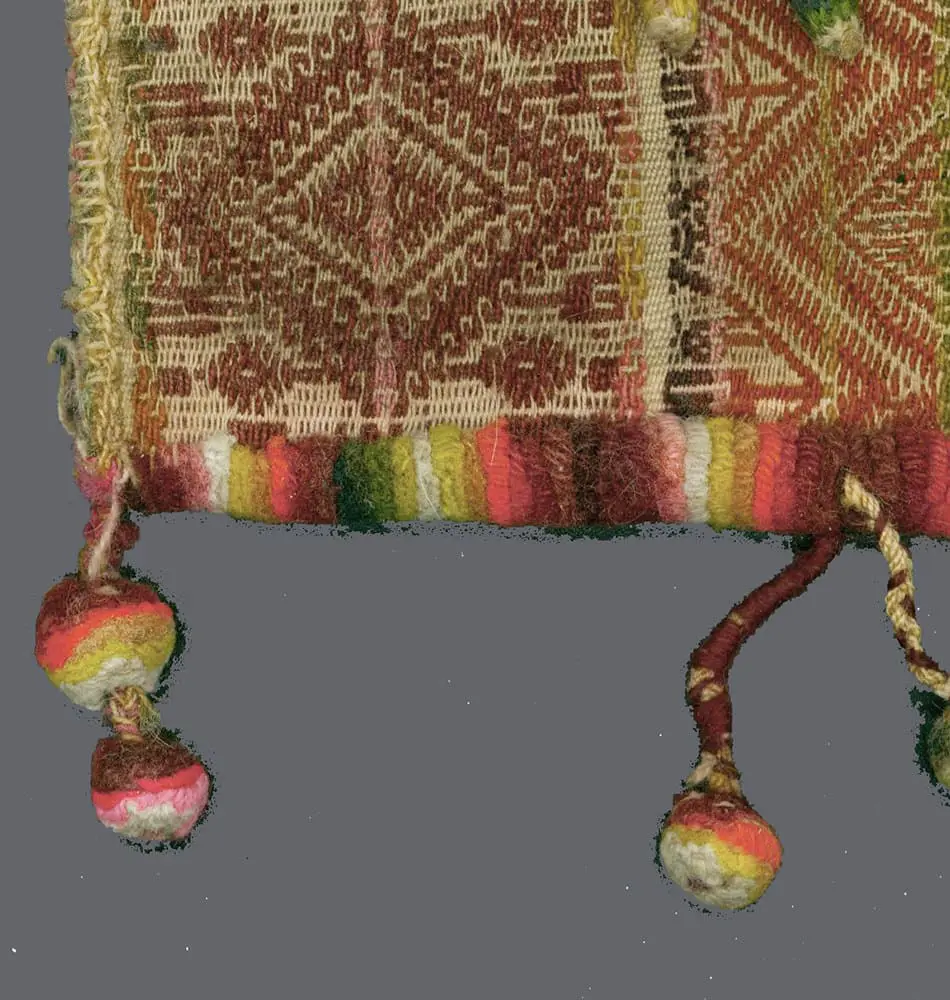
This finely woven man’s coca leaf bag, traditionally known as a chuspa, originates from the Tarabuco weaving region in the Department of Chuquisaca, Bolivia. Dating from approximately 1930–1960, the piece is meticulously crafted from hand-spun sheep's wool, which is a hallmark of the high-quality fine-fleece production in the Sucre and Tarabuco areas. Measuring a compact 6 inches by 6 inches (15.24 cm x 15.24 cm), the bag is designed for daily or ceremonial use to carry sacred coca leaves, which are central to Andean social and spiritual life.
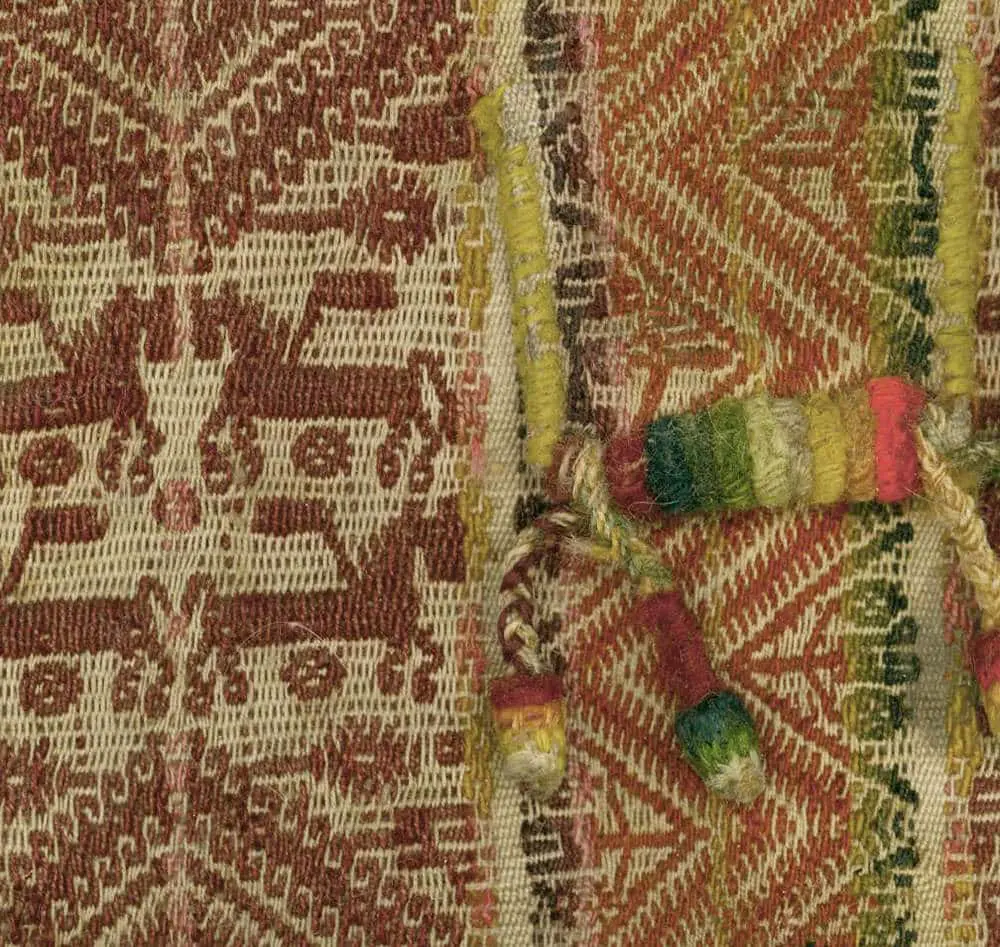
The textile features a sophisticated arrangement of vertical decorative bands separated by narrow stripes. The central design focus includes repeating horse motifs and complex geometric patterns, which are characteristic of the Tarabuco style. These figures are typically rendered in a dense, warp-faced weave, often utilizing complementary warp techniques to create reversible and highly detailed imagery. The color palette is often earthy yet vibrant, with deep reds, greens, and browns providing a grounded backdrop for the cream or white silhouetted animal forms.

Payment Options: We primarily accept PayPal for all transactions. Credit and debit cards are not accepted. If you prefer to pay by personal check instead of PayPal, please note this preference in the "Additional comments" field when placing your order.Ordering Process
To receive your PayPal invoice, simply fill out the form.
Shipping Details: We ship all orders to the address associated with your PayPal payment. Please ensure your PayPal shipping address is current and accurate.A phone number is required during checkout, as our shipping carrier may need to contact you regarding delivery questions.Shipping RatesUnited States and Canada: $20International destinations (air mail): $40
