Copyright © 2026 Yorke Antique Textiles
.avif)


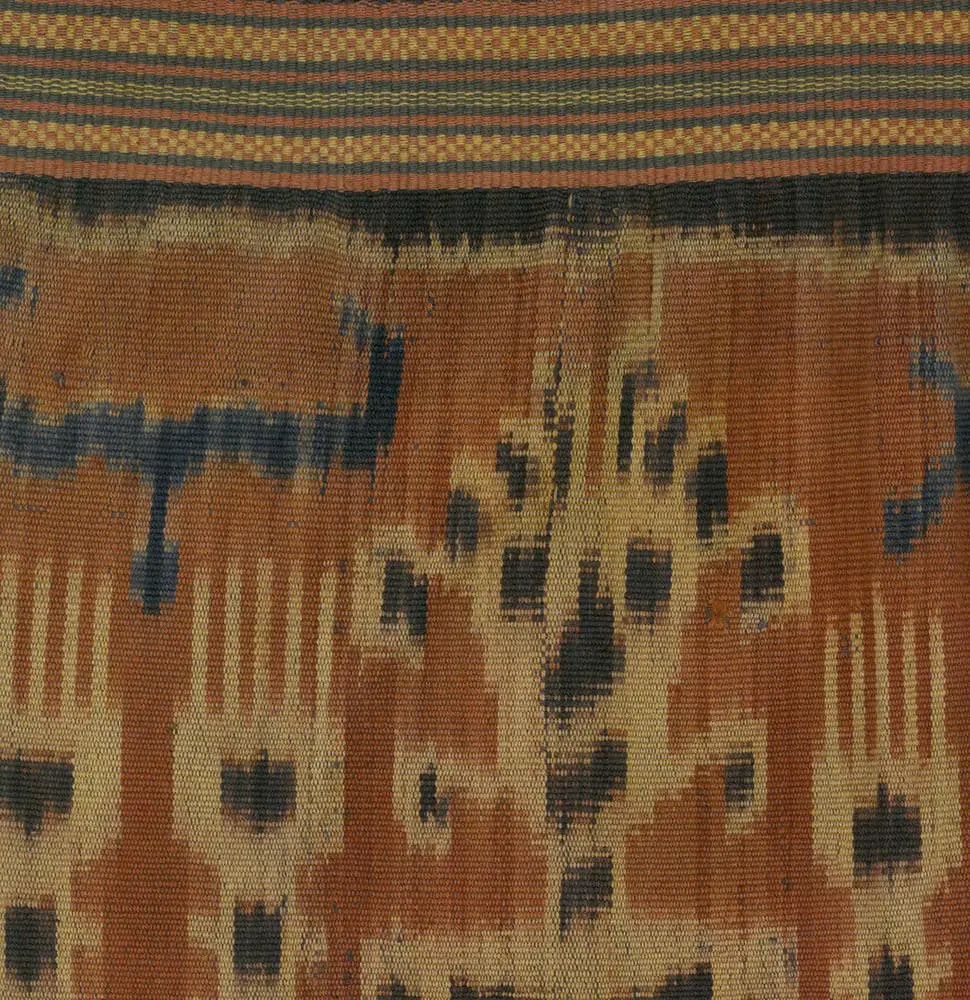
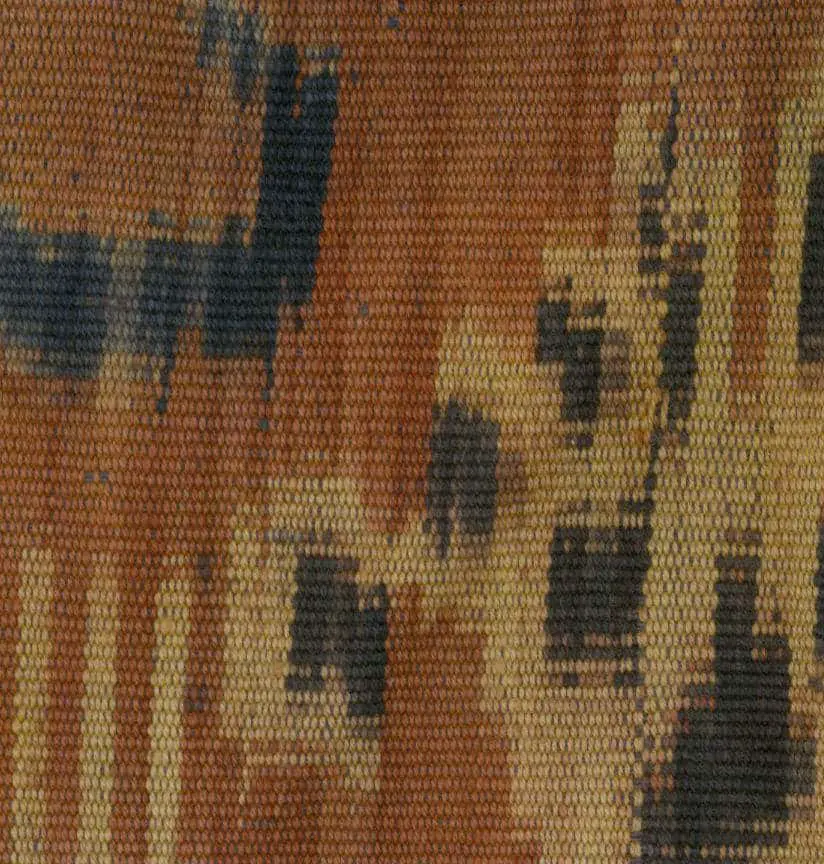
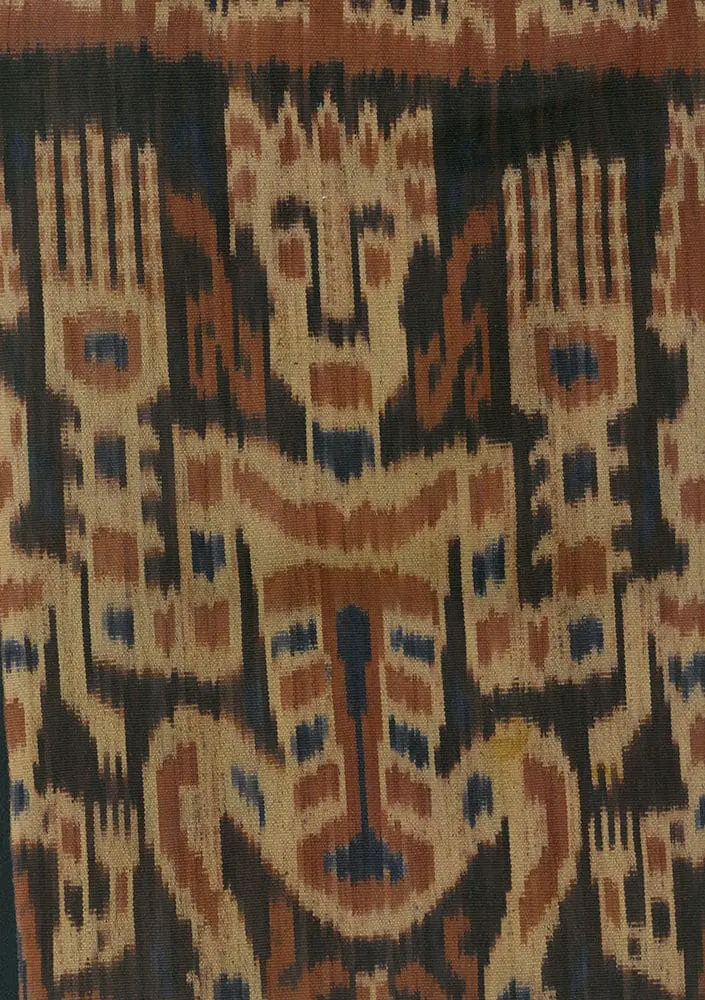
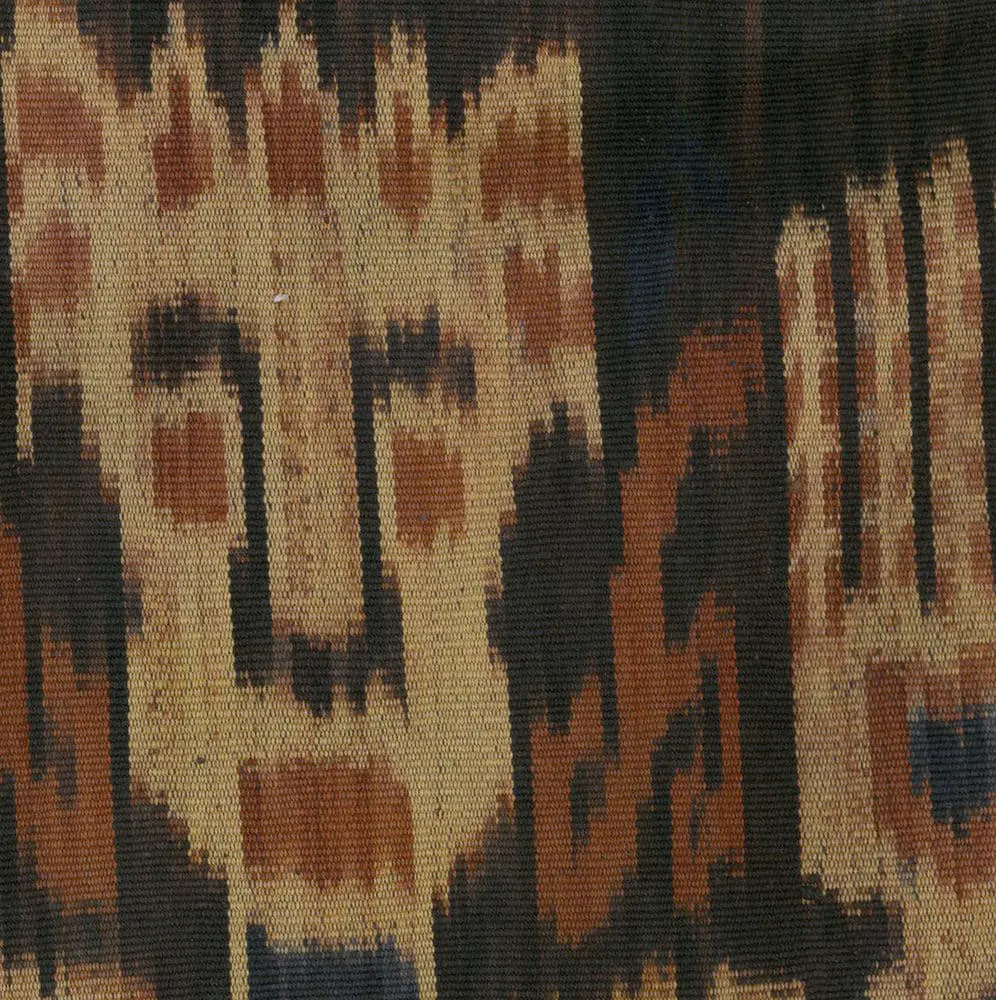
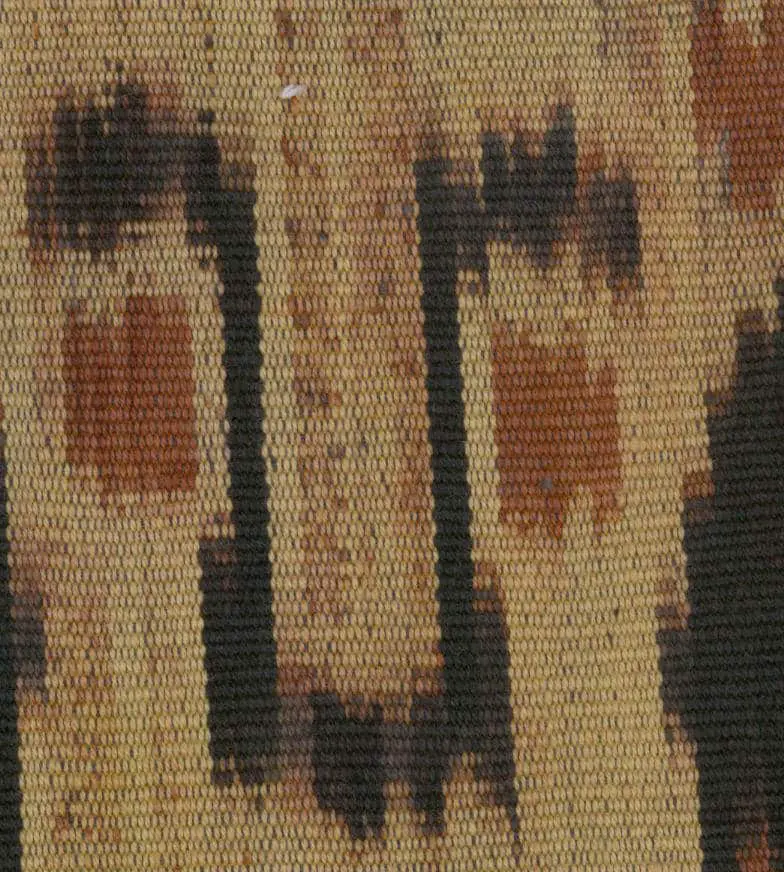
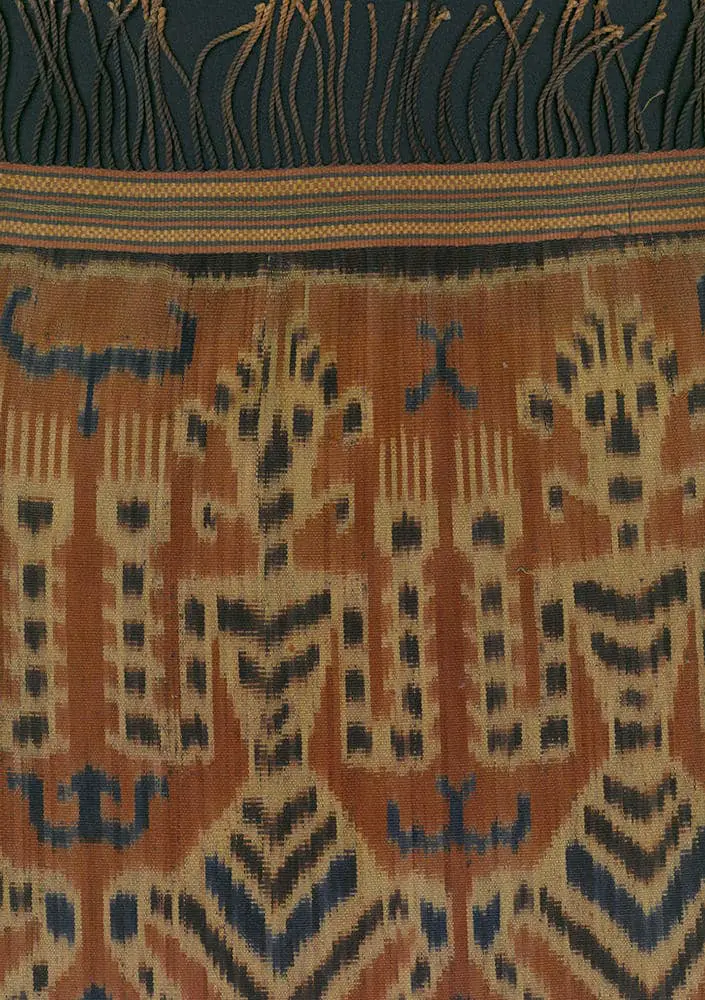
This cotton hinggi, a traditional man's mantle, originates from East Sumba, Indonesia, and dates to the early 20th century. Measuring approximately 45 inches by 88 inches (114 cm x 224 cm), the textile was crafted using the labor-intensive warp-ikat technique. This specific piece carries a distinguished provenance, having been part of an old Canadian Dutch family collection. As is traditional for these prestigious garments, it is constructed from two identical panels woven on a backstrap loom and joined with a vertical center seam.
The iconography is densely packed and arranged in multiple horizontal bands, a layout that mirrors the tiered spiritual cosmology of the Sumbanese people. The design is dominated by anthropomorphic figures, likely representing ancestors or guardian spirits, rendered in a warm palette of cream and rust-red against a deep indigo-black ground. The lower half of the textile features a series of large, crouching figures with prominent facial features and stylized limbs, while the upper sections transition into more geometric and abstract ancestral forms. The use of natural dyes—indigo for the dark fields and kombu (noni root) for the reddish-browns—has resulted in a rich, enduring coloration that remains vibrant despite the textile's age.

Payment Options: We primarily accept PayPal for all transactions. Credit and debit cards are not accepted. If you prefer to pay by personal check instead of PayPal, please note this preference in the "Additional comments" field when placing your order.Ordering Process
To receive your PayPal invoice, simply fill out the form.
Shipping Details: We ship all orders to the address associated with your PayPal payment. Please ensure your PayPal shipping address is current and accurate.A phone number is required during checkout, as our shipping carrier may need to contact you regarding delivery questions.Shipping RatesUnited States and Canada: $20International destinations (air mail): $40
