Copyright © 2026 Yorke Antique Textiles
.avif)

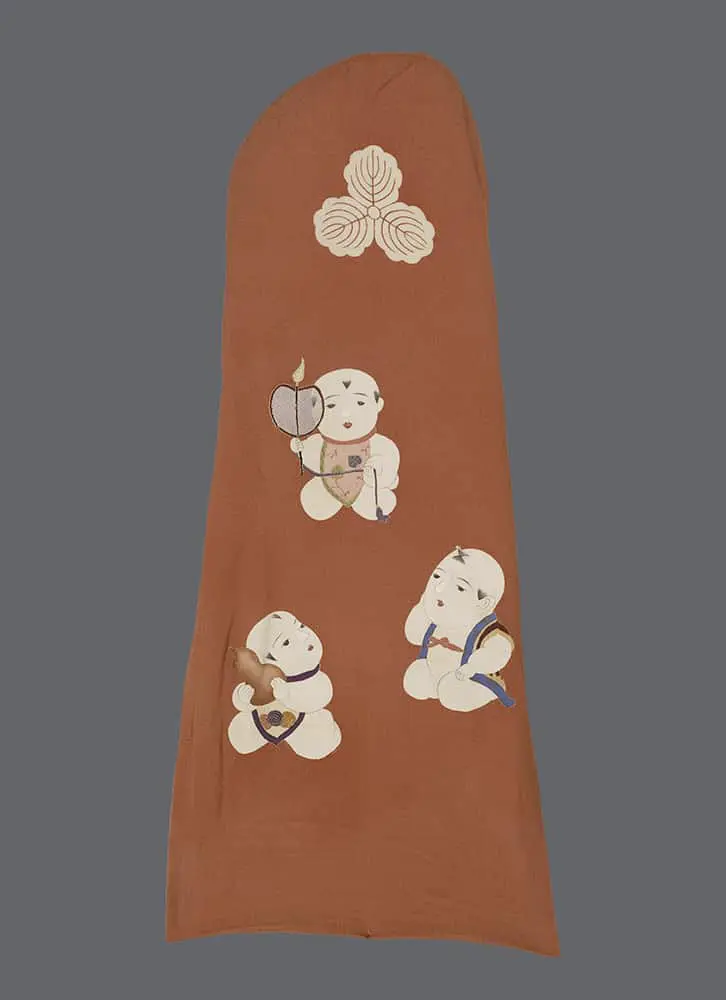
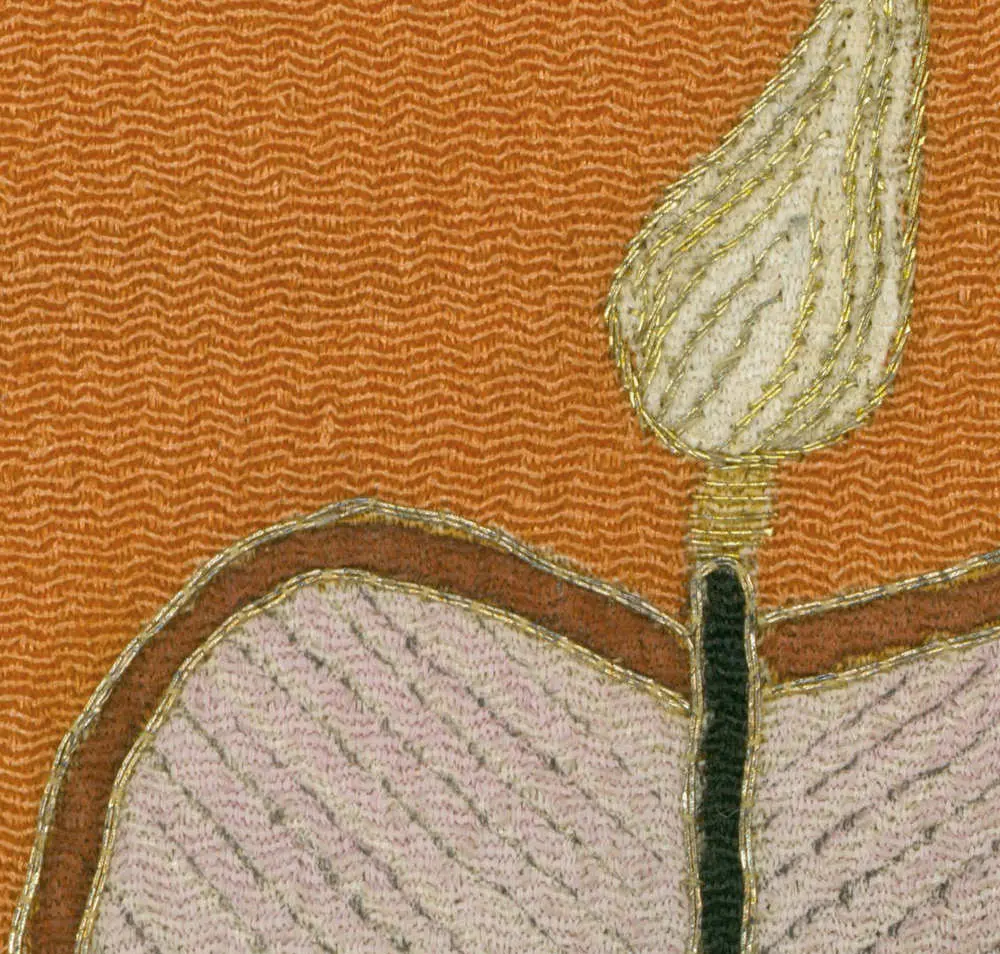
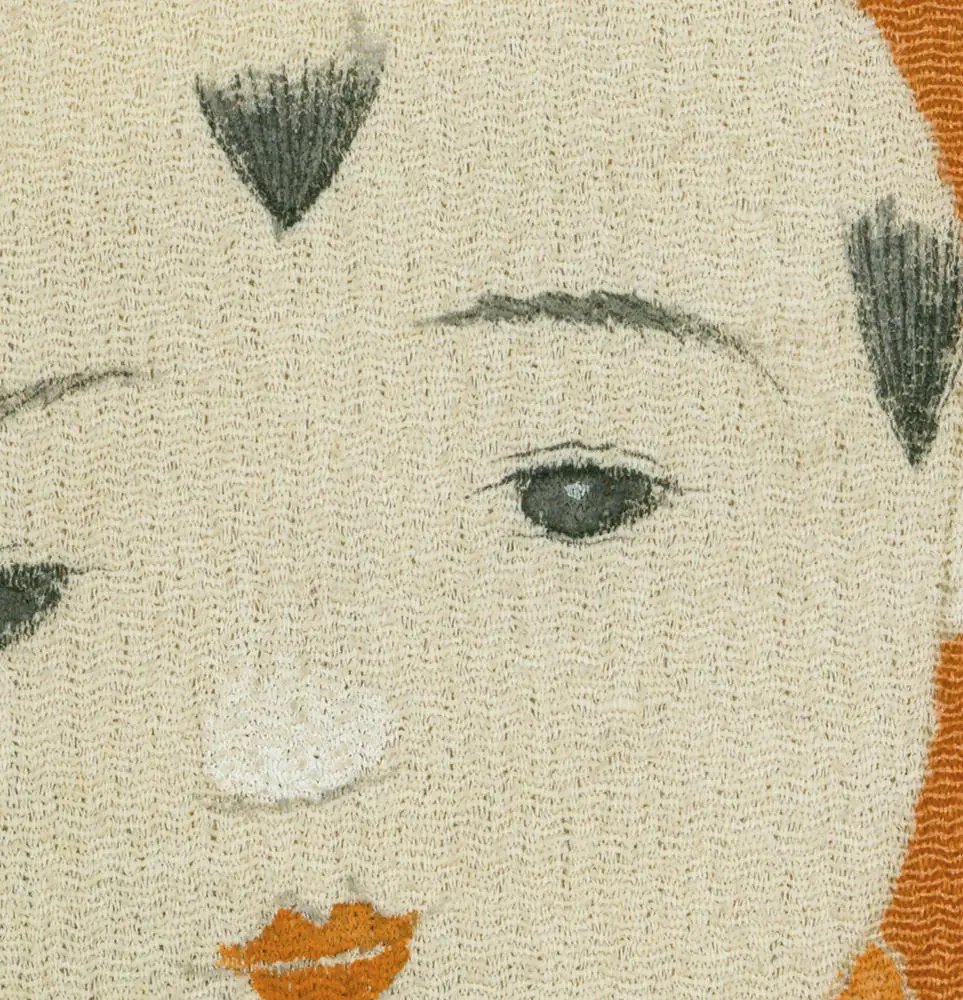
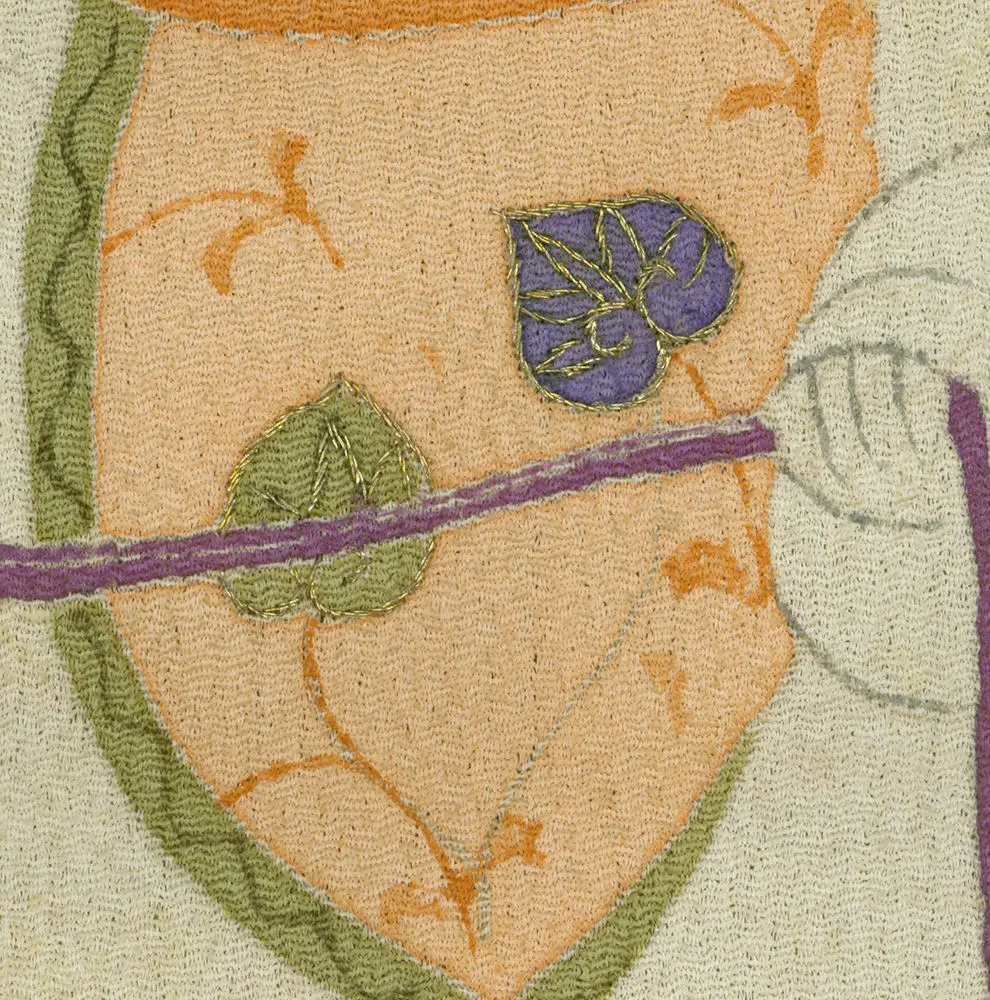
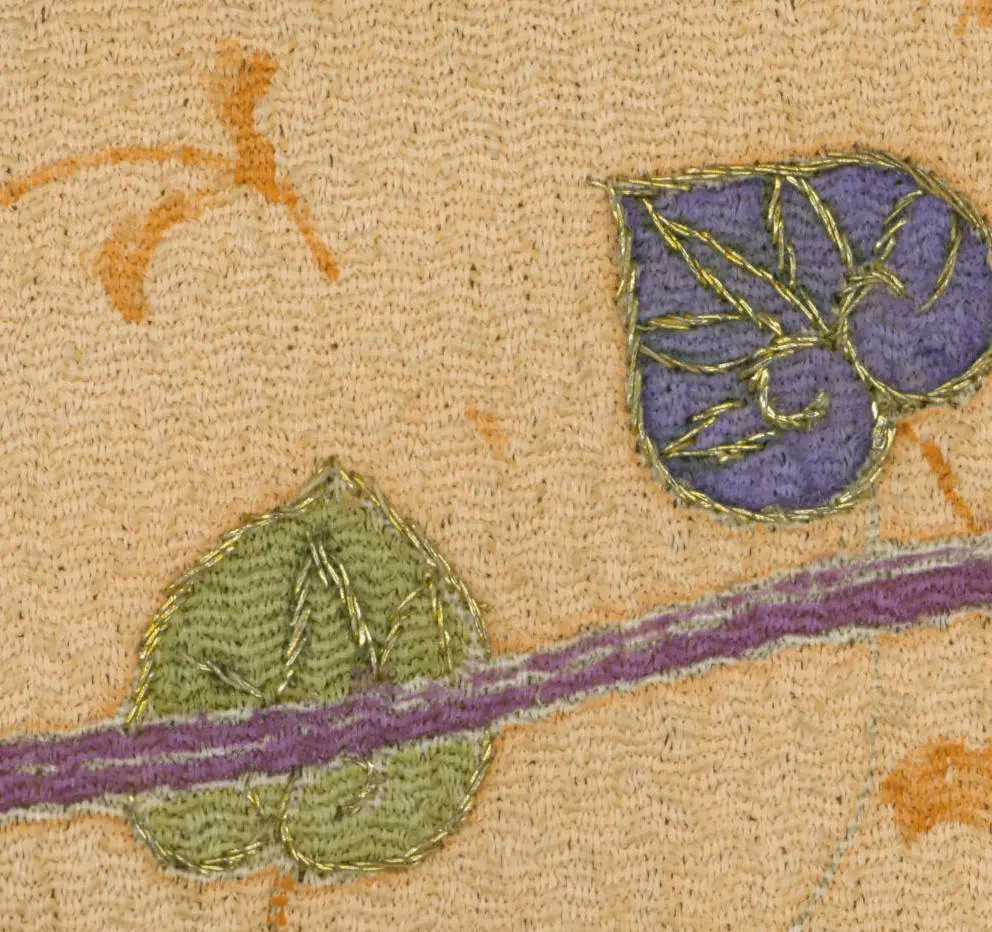
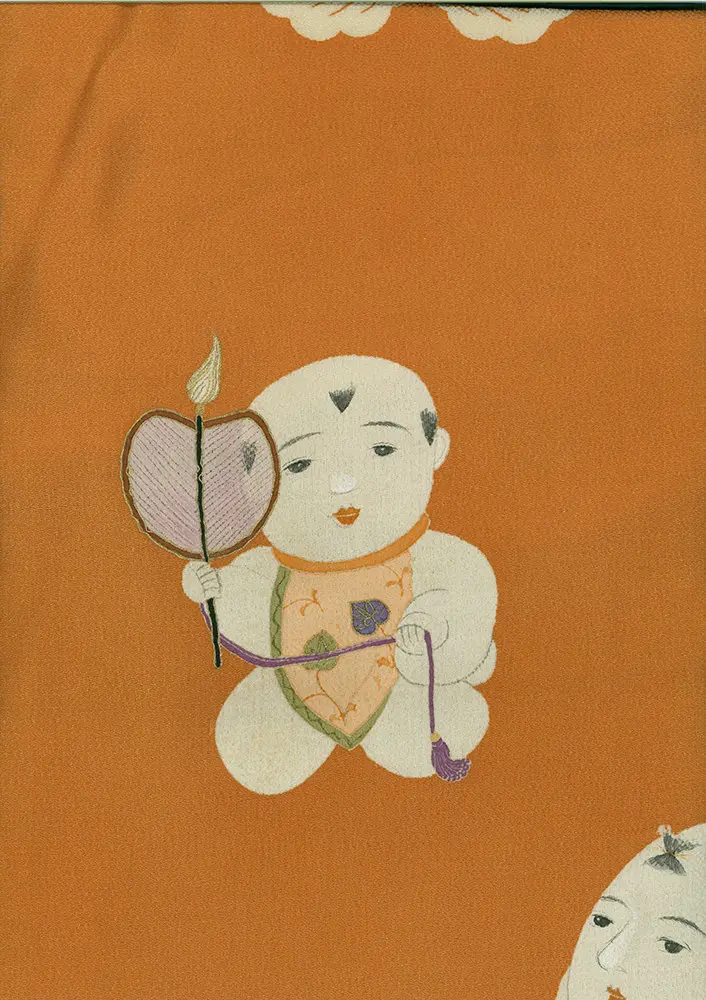
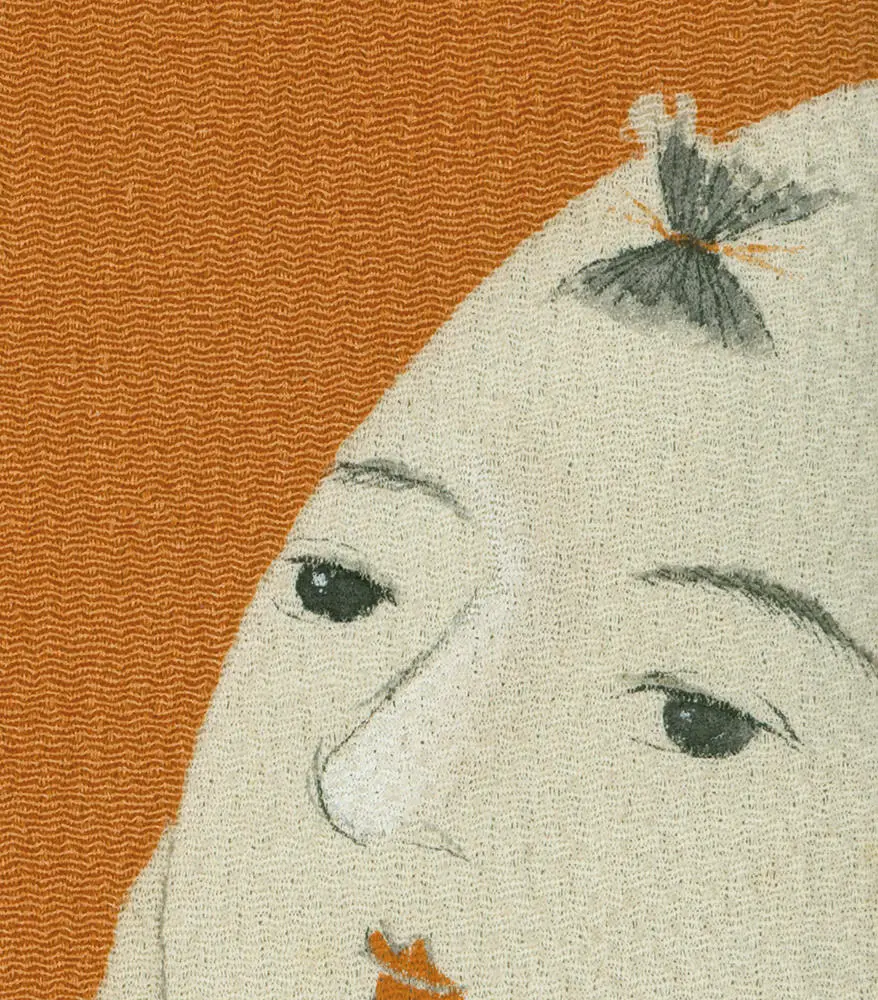

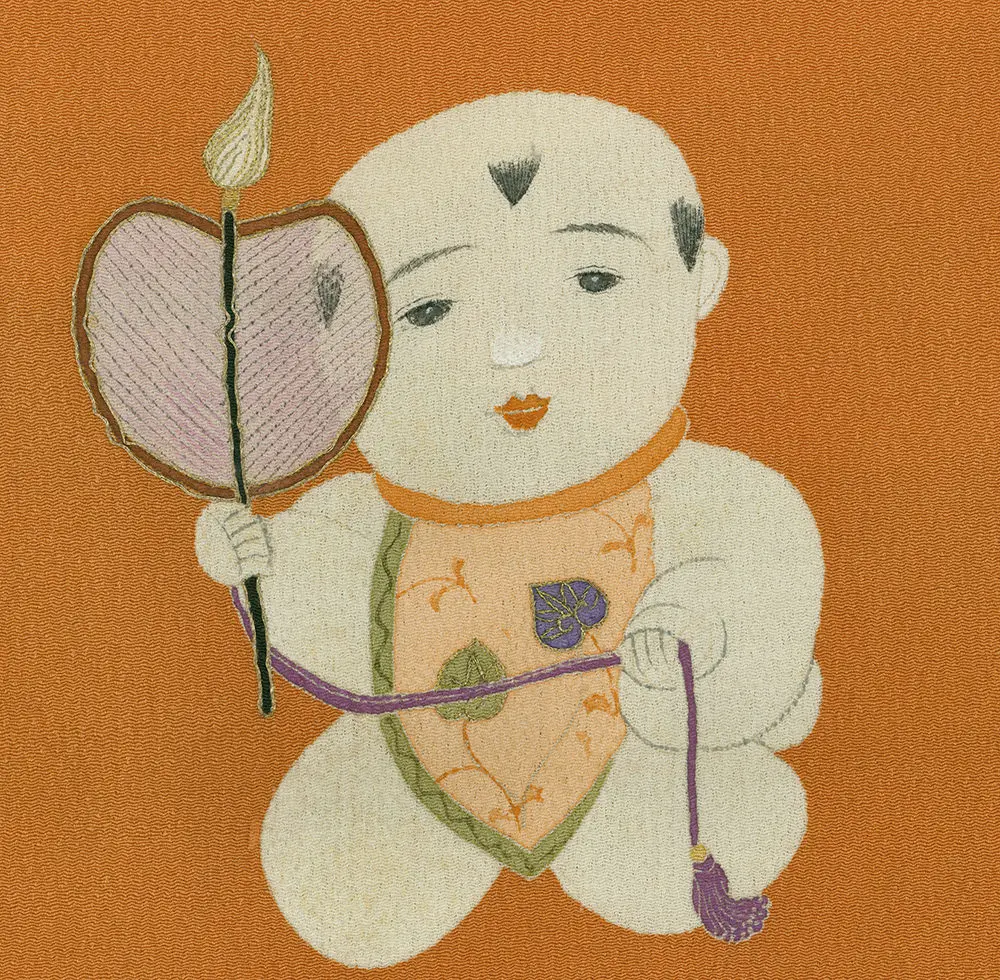
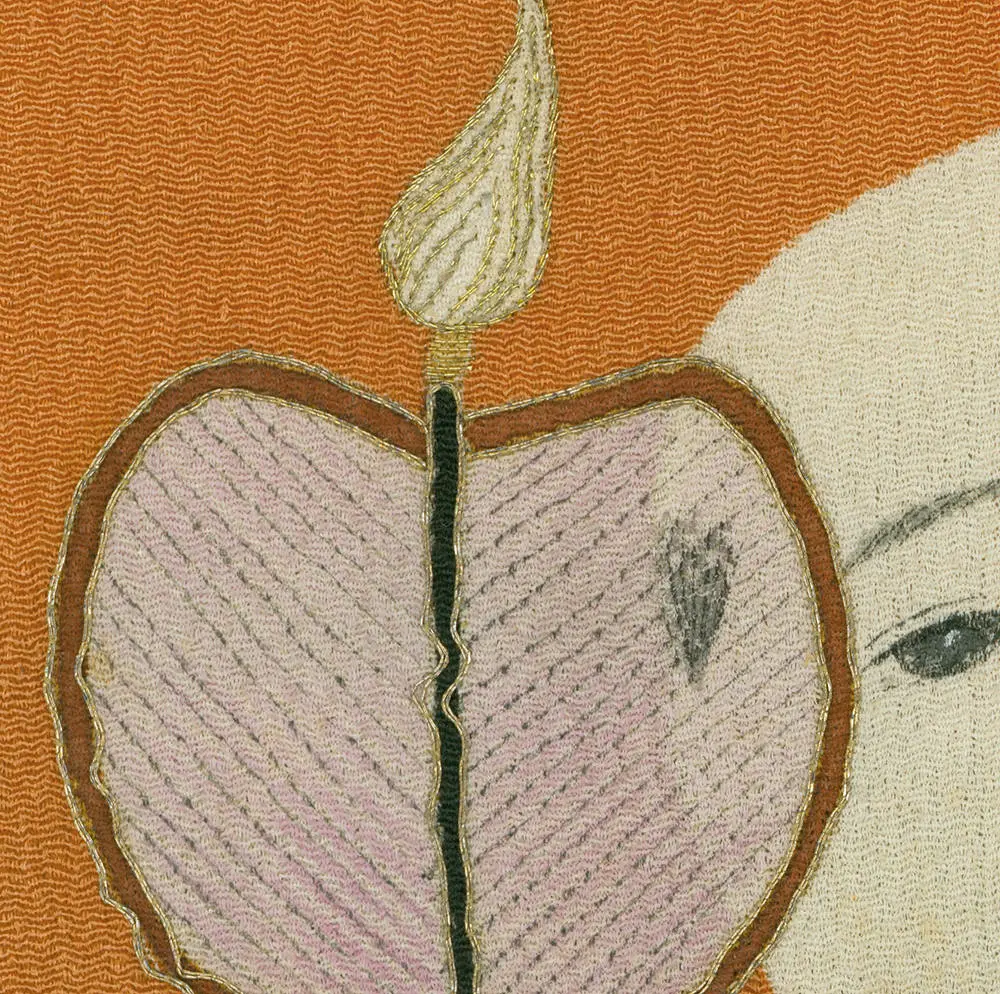
This rare chirimen (silk crepe) kyodai (mirror) cover, dating to the late Meiji period (1880–1912), is an exceptional example of auspicious decorative textile art. Measuring 19 inches by 43 inches (48 cm x 109 cm), the vertical cover is crafted from a rich terracotta-colored silk ground.
The composition features three karako (Chinese-style children), meticulously rendered through yuzen-dyeing and enhanced with metallic embroidery highlights. In Japanese art, karako are depicted as small boys in traditional Chinese attire, characterized by bare heads with two small tufts of hair. They are powerful symbols of luck, prosperity, and the hope for male successors who will achieve high social status. One child holds a ceremonial fan, another a double gourd—a symbol of longevity and health—while the third gazes upward. Above them sits a large, white-dyed family crest (mon) depicting three stylized leaves.

Payment Options: We primarily accept PayPal for all transactions. Credit and debit cards are not accepted. If you prefer to pay by personal check instead of PayPal, please note this preference in the "Additional comments" field when placing your order.Ordering Process
To receive your PayPal invoice, simply fill out the form.
Shipping Details: We ship all orders to the address associated with your PayPal payment. Please ensure your PayPal shipping address is current and accurate.A phone number is required during checkout, as our shipping carrier may need to contact you regarding delivery questions.Shipping RatesUnited States and Canada: $20International destinations (air mail): $40
