Copyright © 2026 Yorke Antique Textiles
.avif)

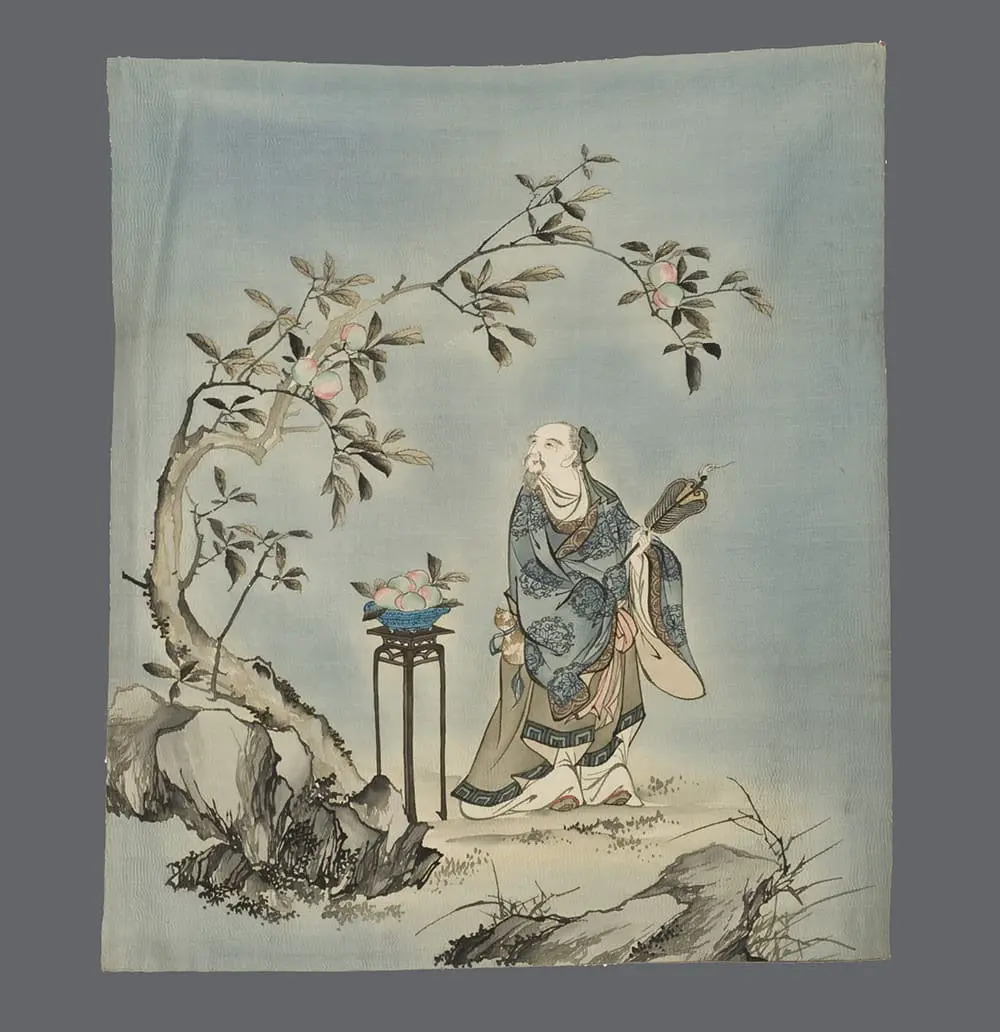

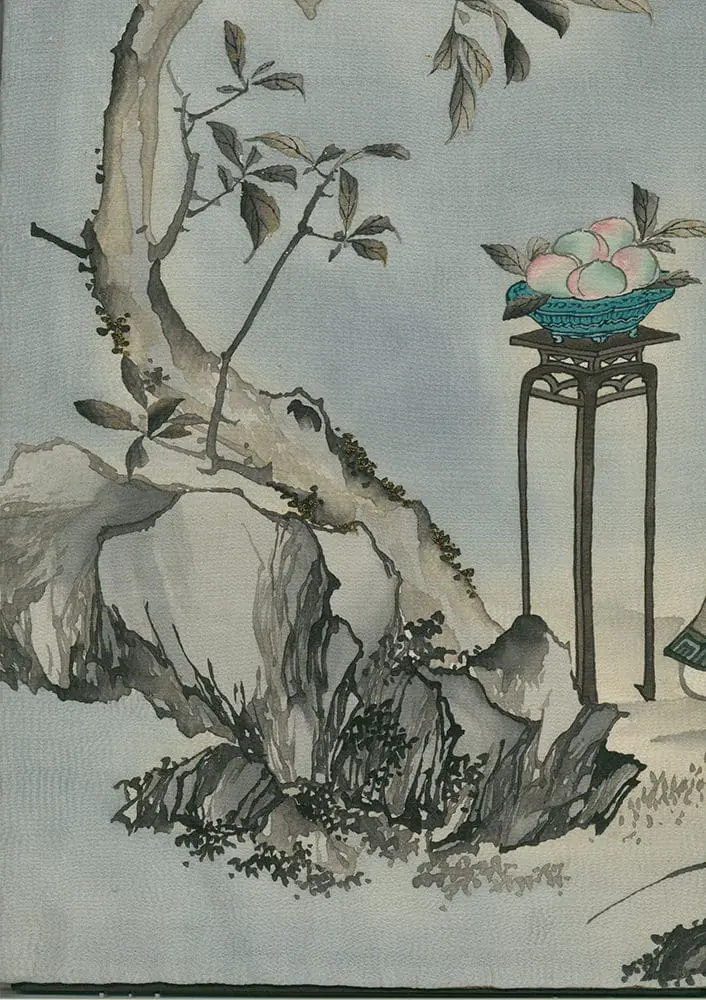



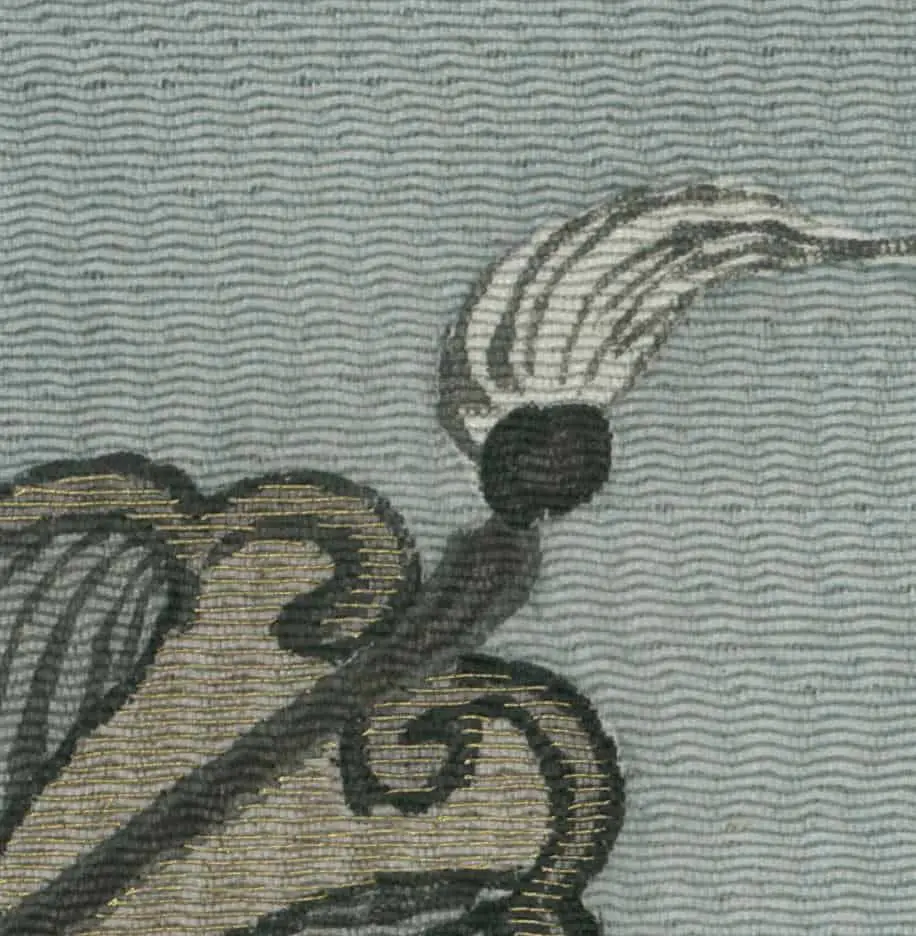
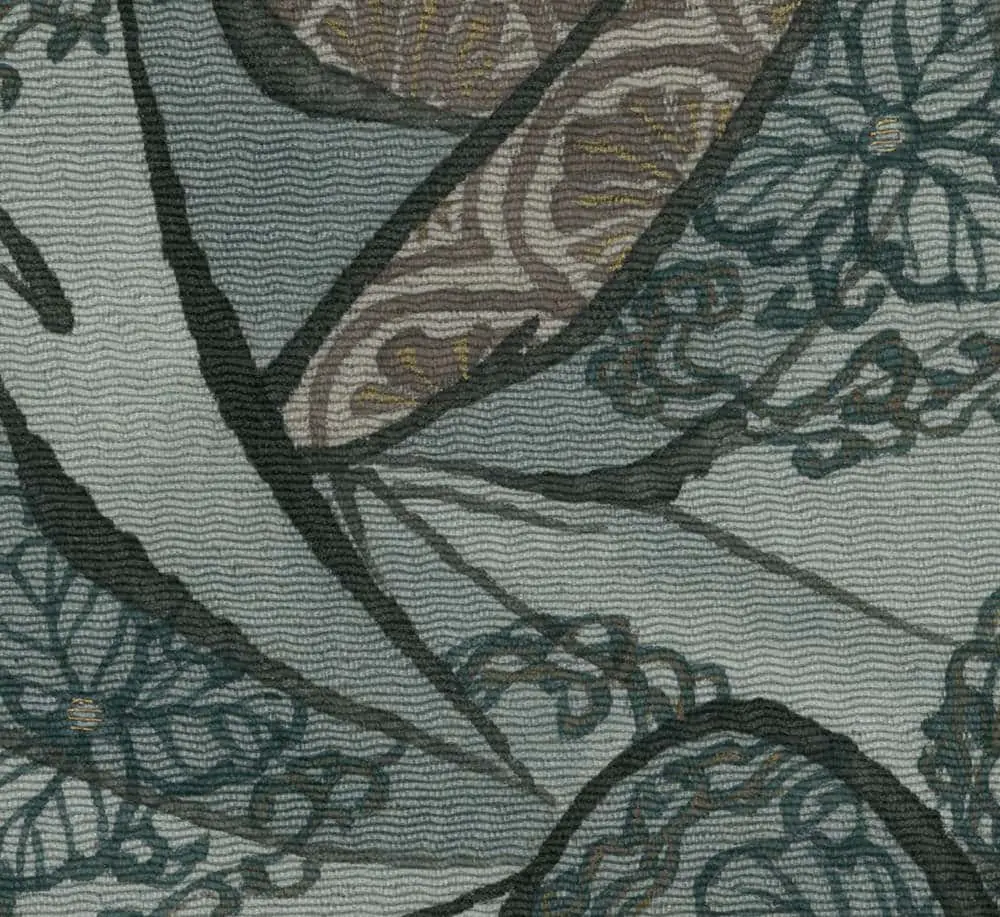
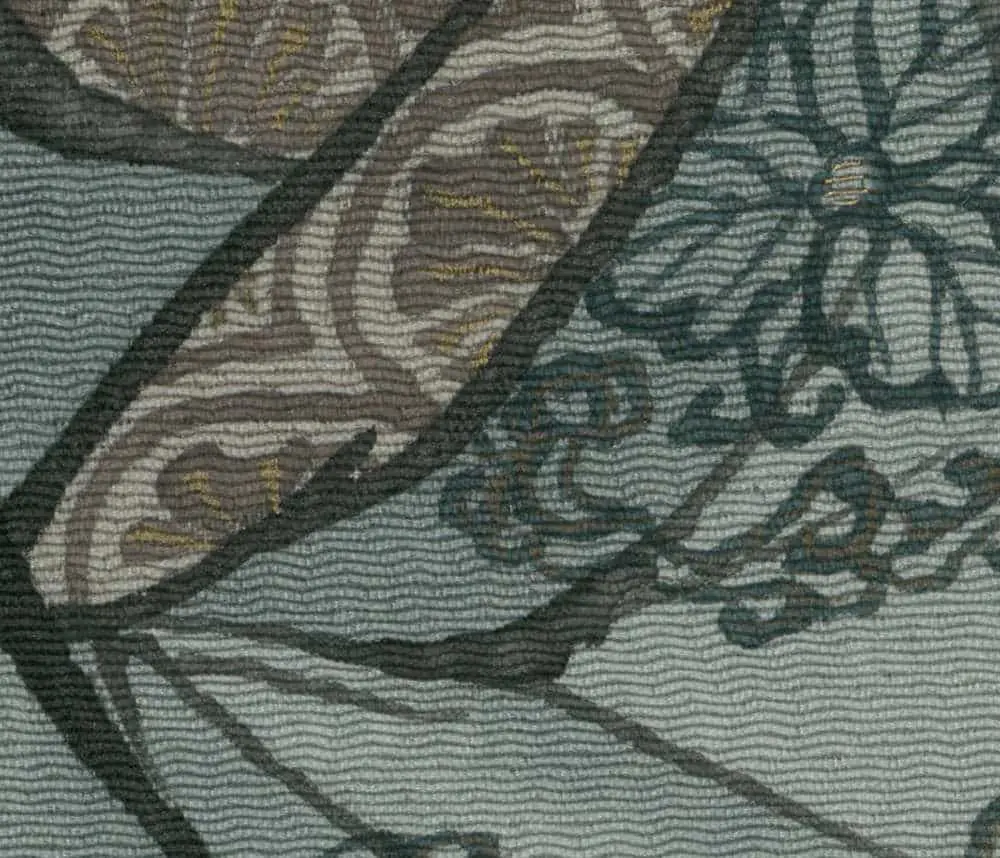
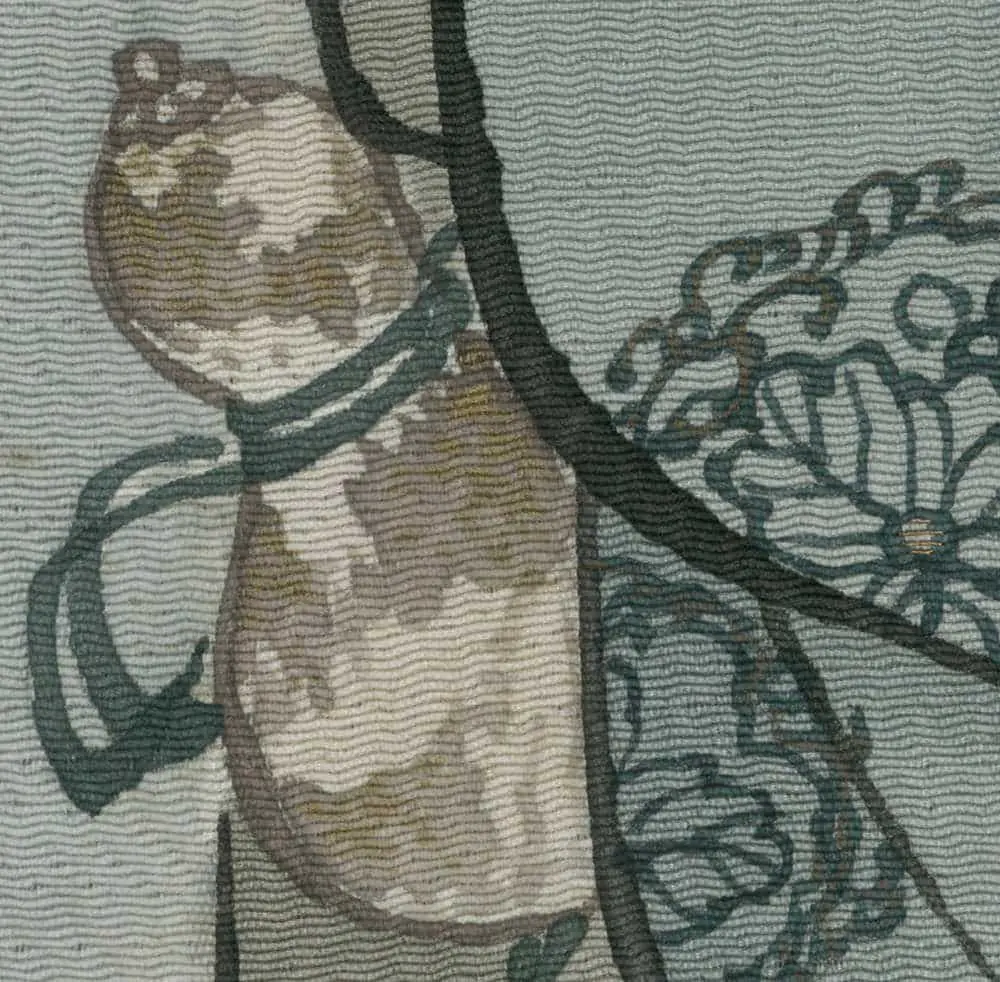


This masterful chirimen (silk crepe) fukusa, dating to the late Edo period (1825–1868), is a profound exploration of immortality and virtue. Measuring 26 inches by 30 inches (66 cm x 76 cm), the textile depicts a scholar or wise man in a moment of quiet contemplation beneath the sweeping branches of a peach tree. Beside him, a delicate pedestal holds a basket filled with plucked fruit, reinforcing the theme of a bountiful harvest.
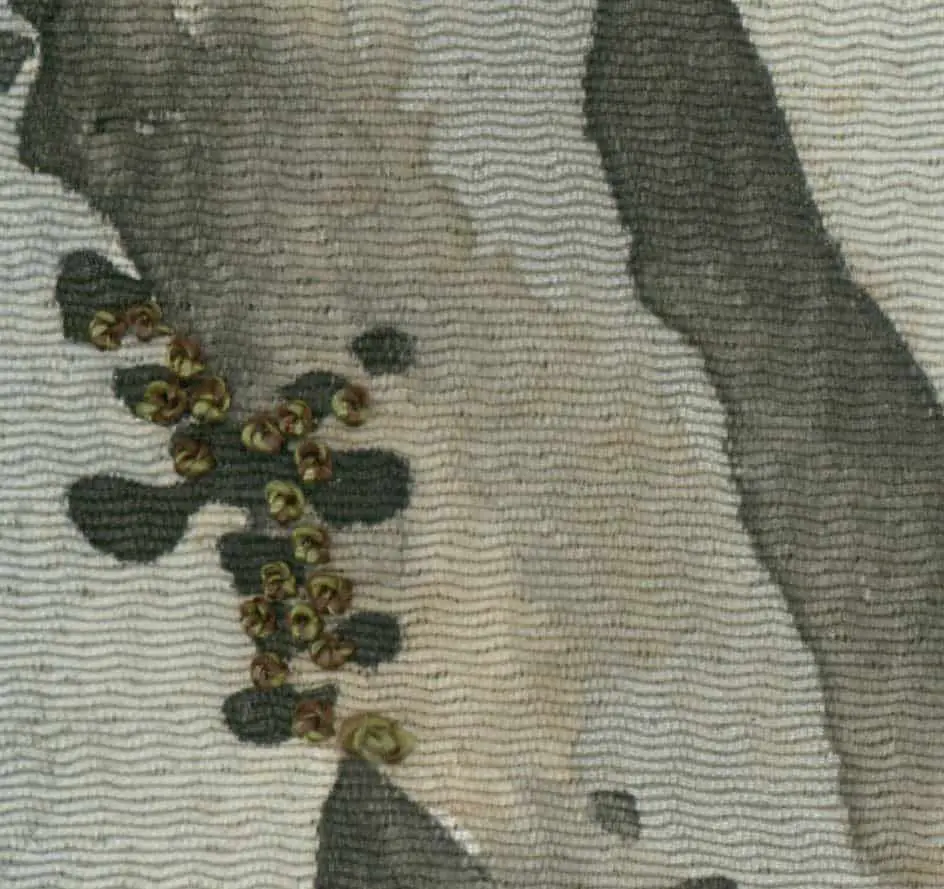
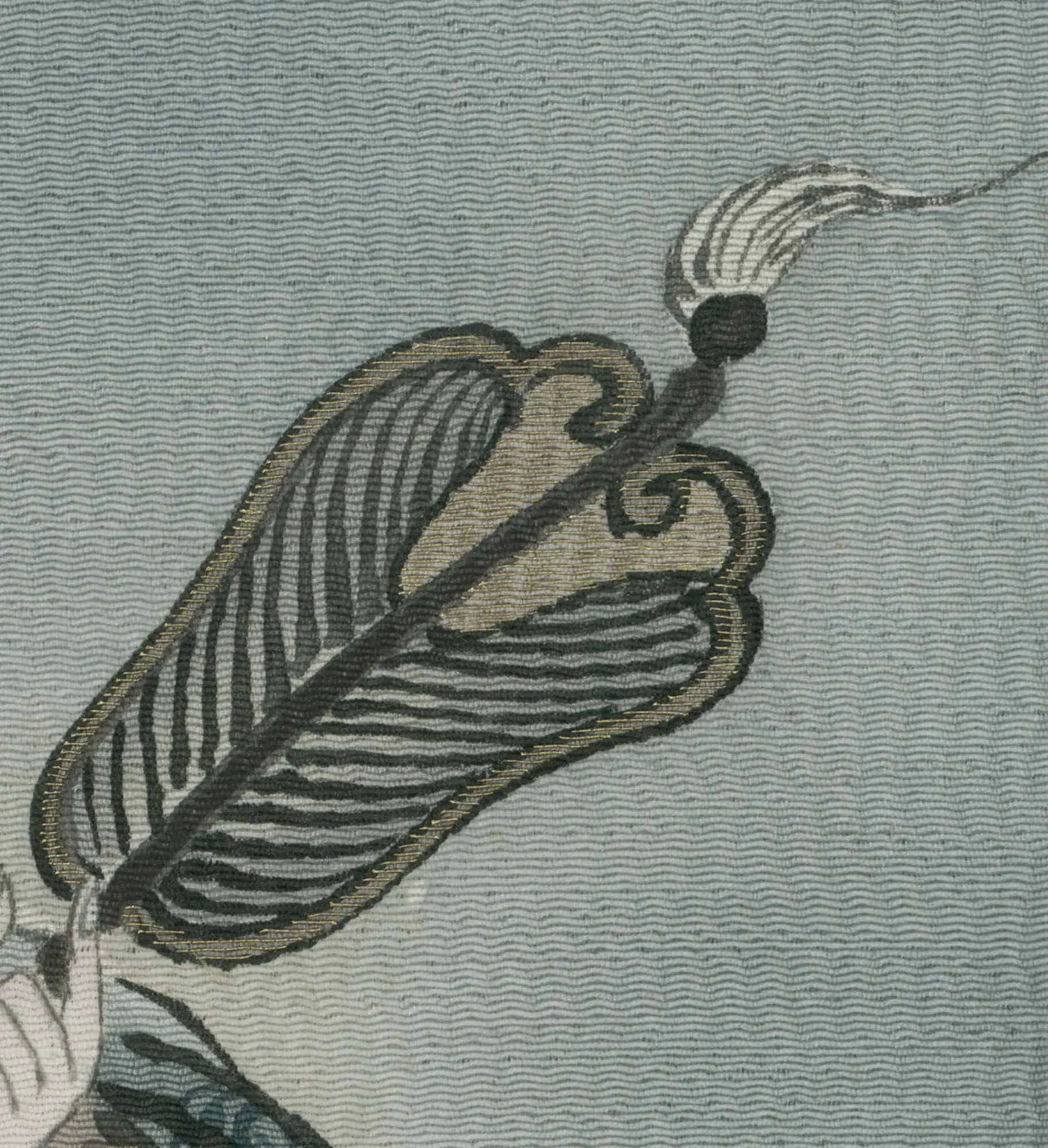
The piece is a technical tour de force, combining yuzen-dyeing for the figure's ornate robes with sumi-e (ink wash) painting for the rugged, expressive rocks and tree trunk. Notably, it features rare bi-color sagara (knot) embroidery to create the textured, blushing skins of the peaches, and metallic thread embroidery to highlight the fine details of the wise man’s fan and garments. In Japanese culture, the peach (momo) is the ultimate symbol of longevity and protection; Taoist mythology views it as the fruit of the "Tree of Life," capable of conferring immortality and warding off evil.
This artwork is featured on pages 178-179 of Ceremonial Textiles of Japan, 18th to 20th Centuries. This book, published by Yorke Antique Textiles, can be previewed or purchased on our website here.

Payment Options: We primarily accept PayPal for all transactions. Credit and debit cards are not accepted. If you prefer to pay by personal check instead of PayPal, please note this preference in the "Additional comments" field when placing your order.Ordering Process
To receive your PayPal invoice, simply fill out the form.
Shipping Details: We ship all orders to the address associated with your PayPal payment. Please ensure your PayPal shipping address is current and accurate.A phone number is required during checkout, as our shipping carrier may need to contact you regarding delivery questions.Shipping RatesUnited States and Canada: $20International destinations (air mail): $40
