Copyright © 2026 Yorke Antique Textiles
.avif)

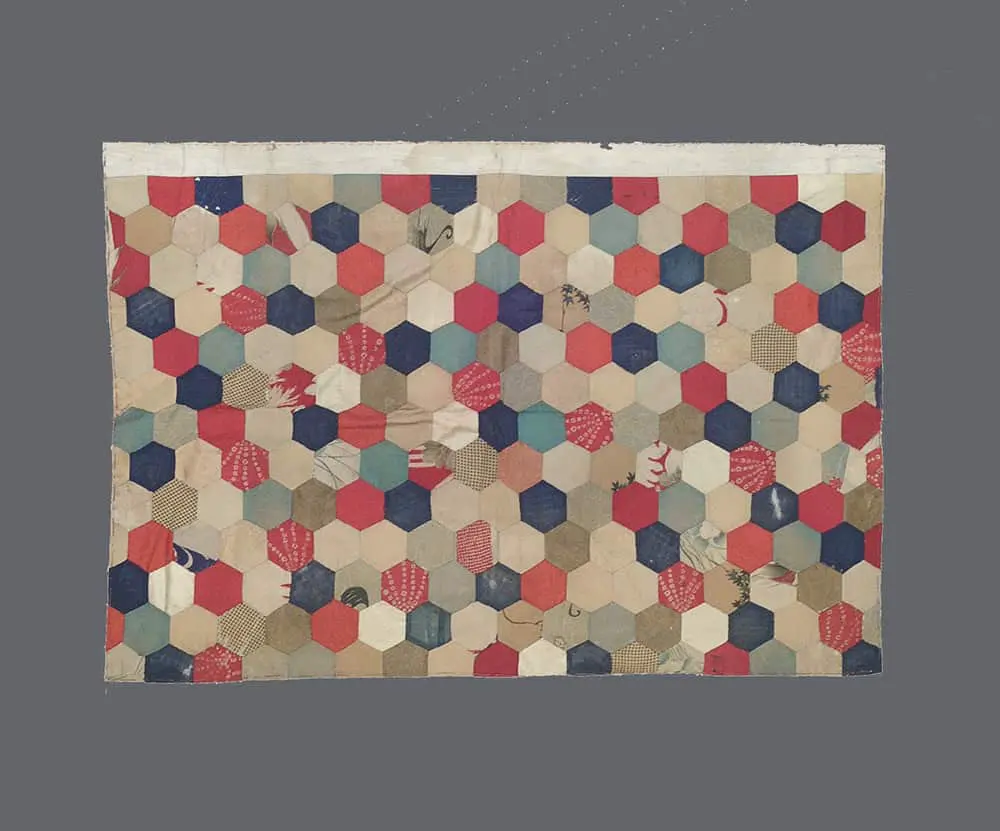
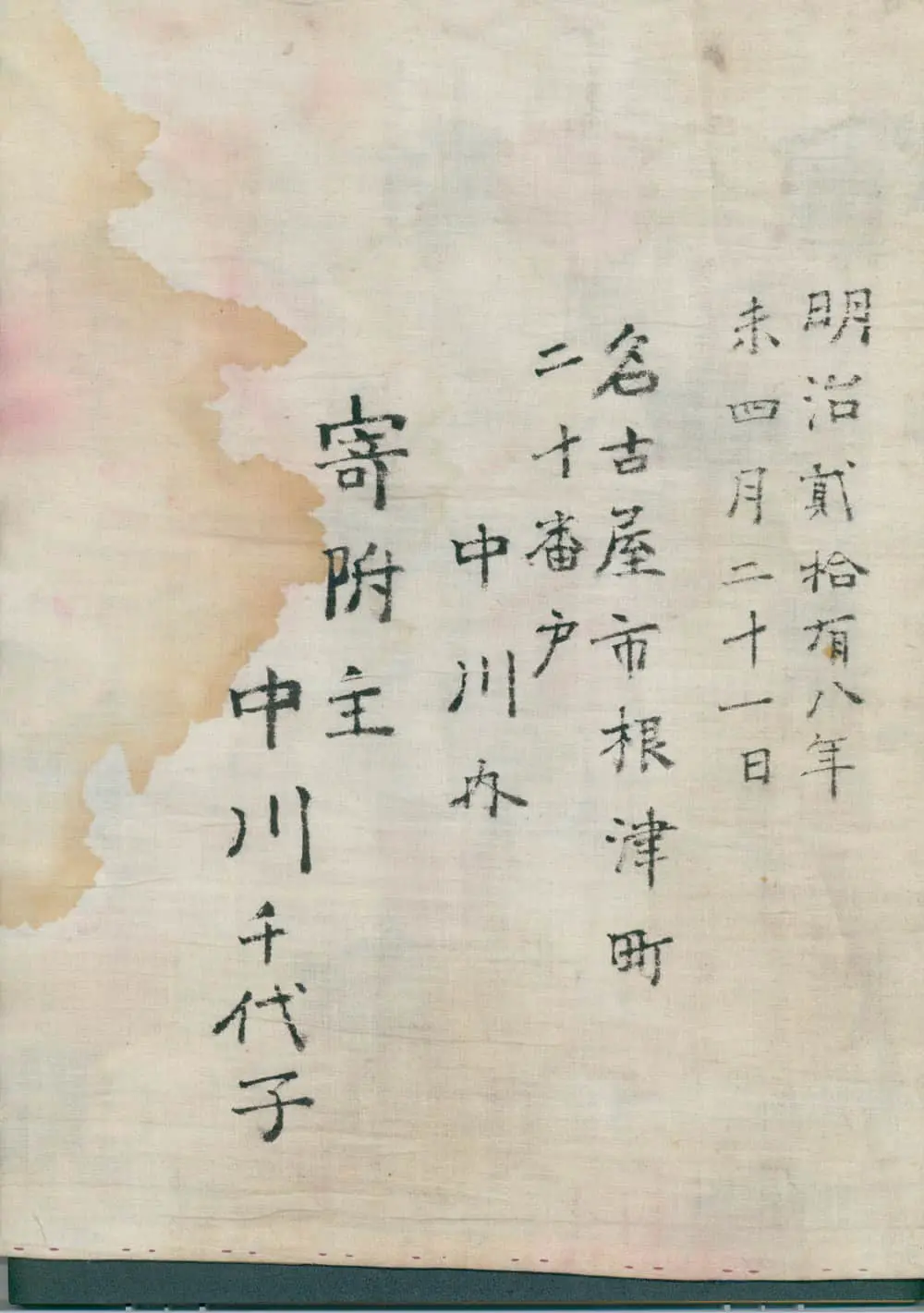
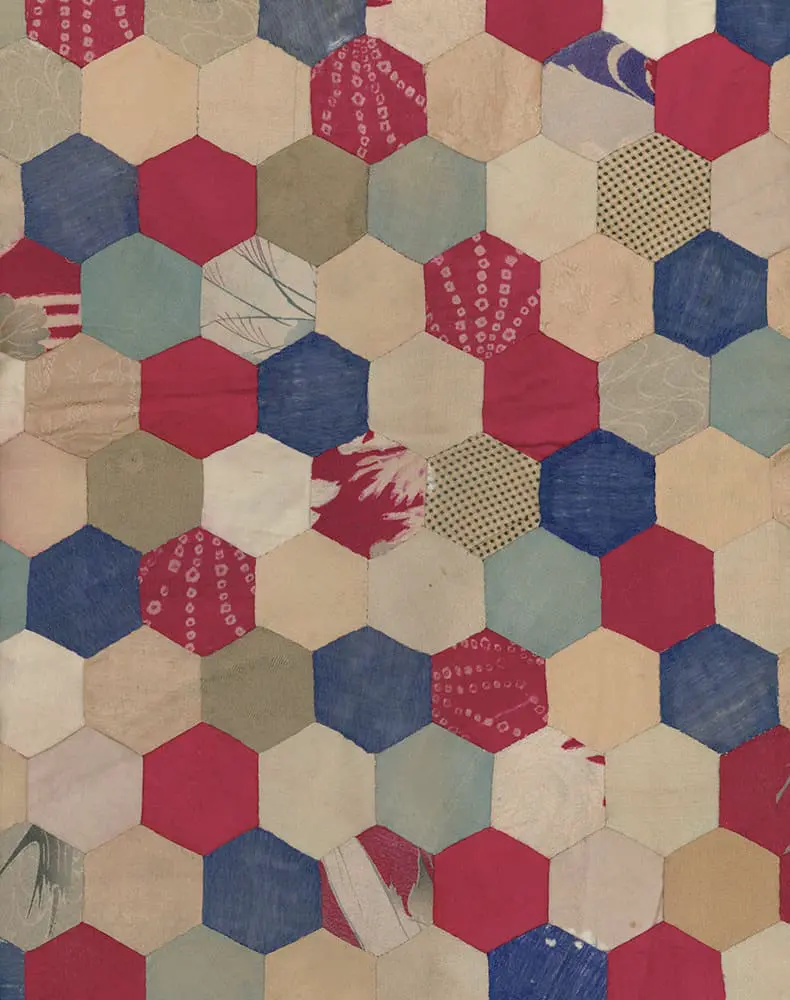
This unusual and deeply personal uchishiki (temple cloth), dated to the 29th year of the Meiji period (1896), represents a poignant fusion of family devotion and textile artistry. Measuring as a horizontal panel, the cloth features a vibrant tortoise-shell (kikkou) pattern created through meticulous hexagonal patchwork, a design choice reminiscent of North American quilting traditions.
The textile is a living archive of a single household, constructed from various chirimen and kinsha silk fragments. Each hexagonal piece was sourced from the clothing of Chiyoko Nakagawa and her family members. In an act of spiritual dedication, Chiyoko assembled these intimate remnants to create a sacred offering for a Buddhist temple, intended to secure future happiness and protection for her lineage. The palette is a lively mosaic of indigo, madder red, and soft cream, featuring a range of traditional patterns including shibori and floral prints. Despite its age, the assembly remains in good condition, preserved as a testament to personal faith.

Payment Options: We primarily accept PayPal for all transactions. Credit and debit cards are not accepted. If you prefer to pay by personal check instead of PayPal, please note this preference in the "Additional comments" field when placing your order.Ordering Process
To receive your PayPal invoice, simply fill out the form.
Shipping Details: We ship all orders to the address associated with your PayPal payment. Please ensure your PayPal shipping address is current and accurate.A phone number is required during checkout, as our shipping carrier may need to contact you regarding delivery questions.Shipping RatesUnited States and Canada: $20International destinations (air mail): $40
