Copyright © 2026 Yorke Antique Textiles
.avif)


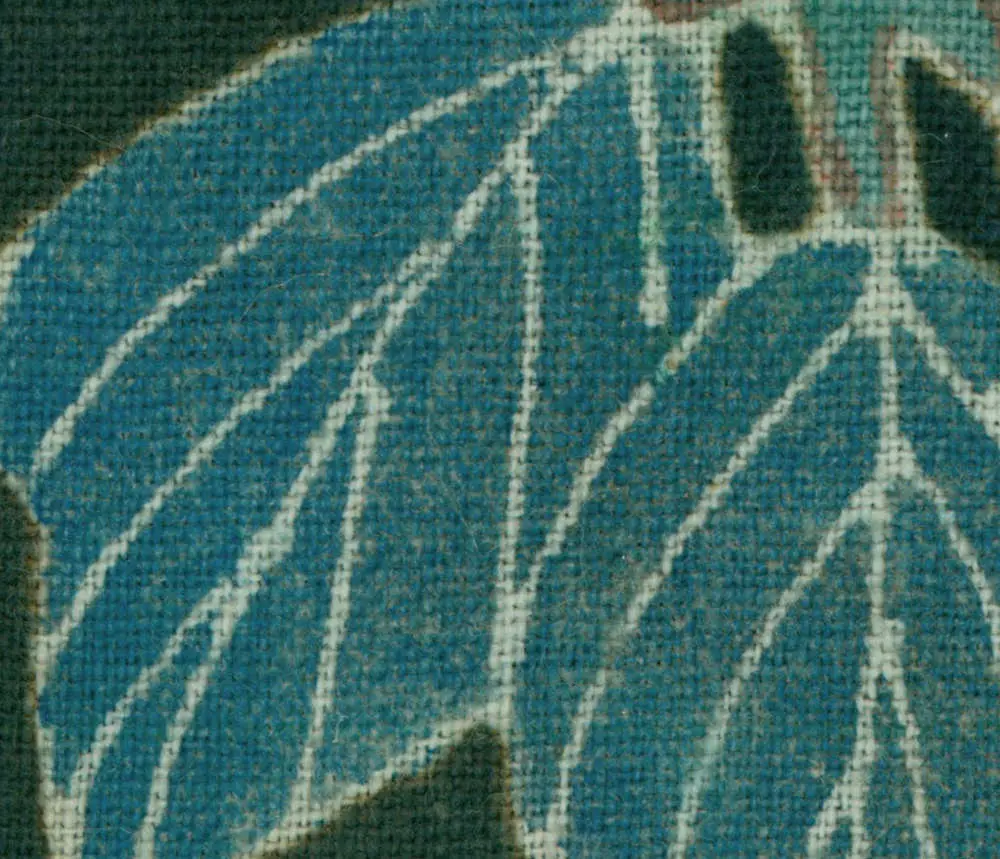
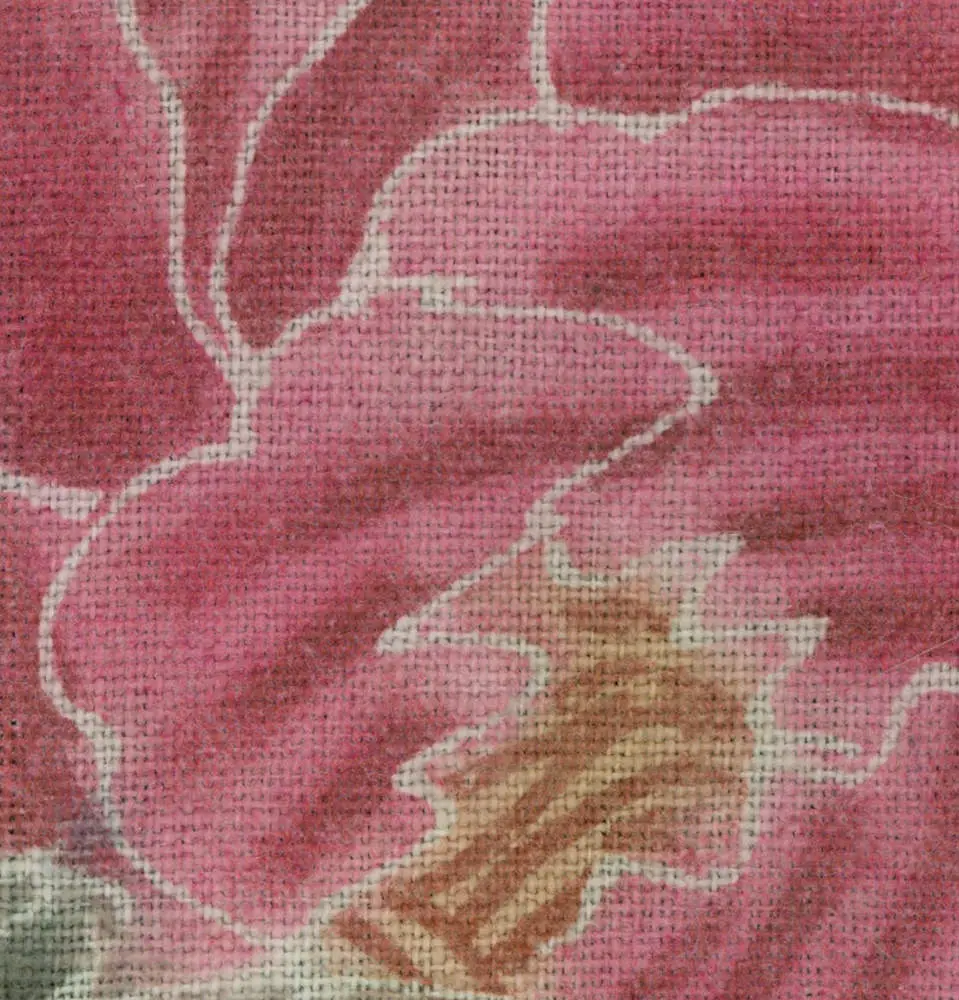
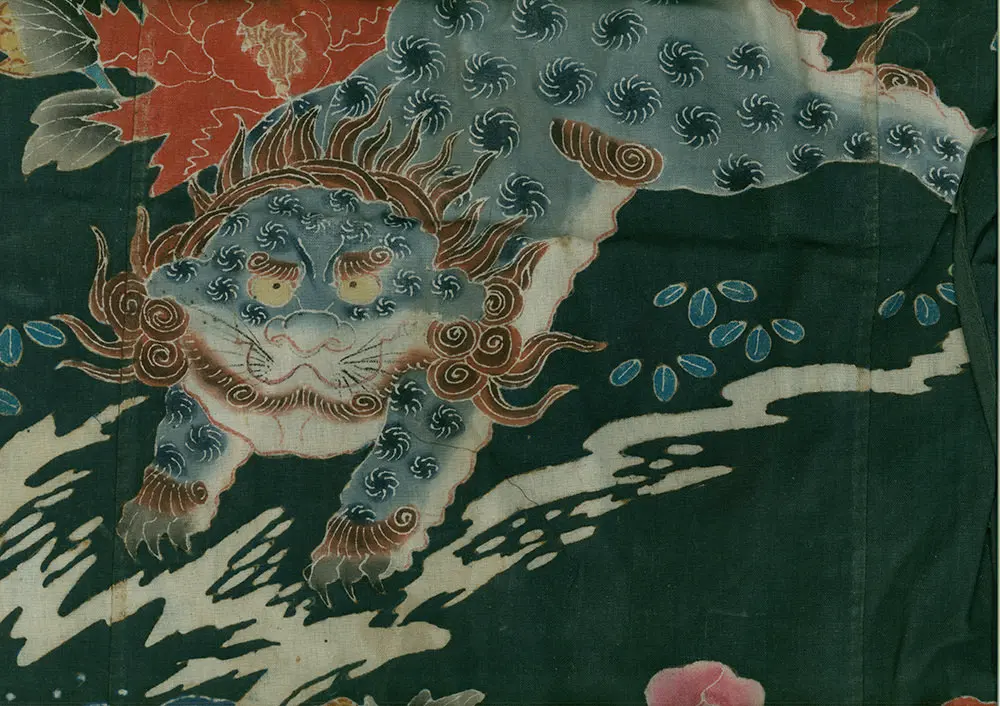

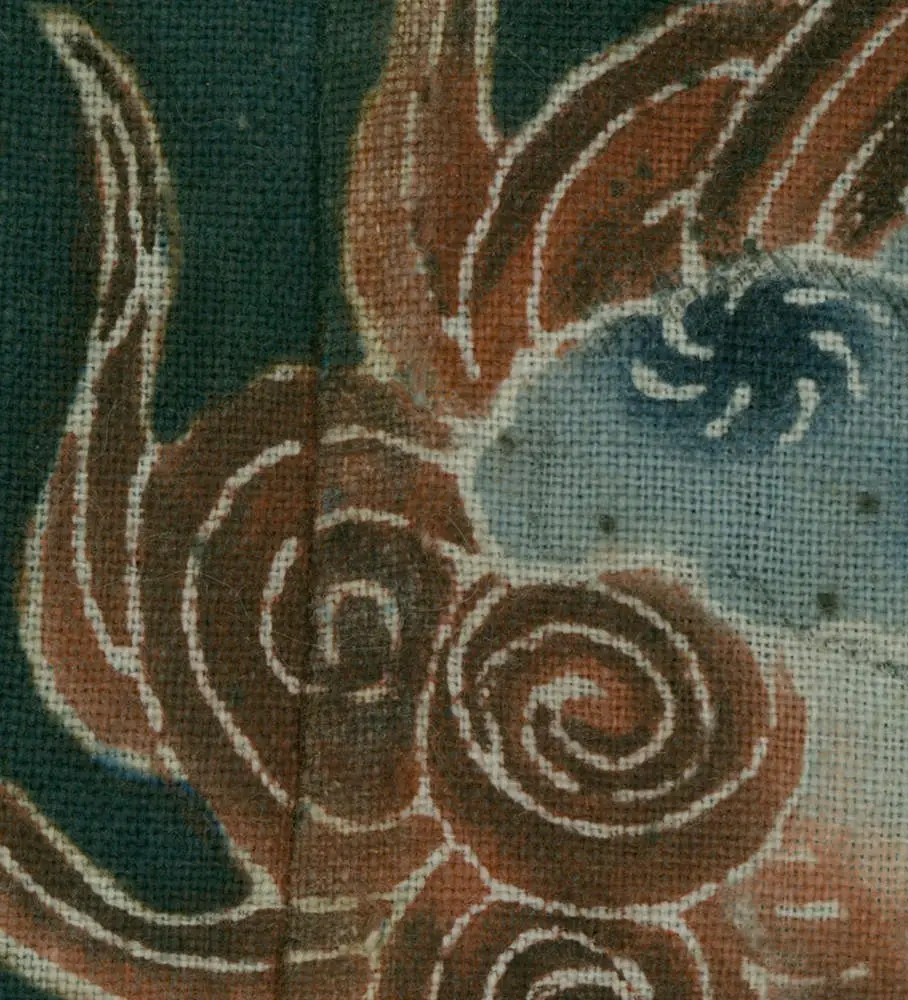
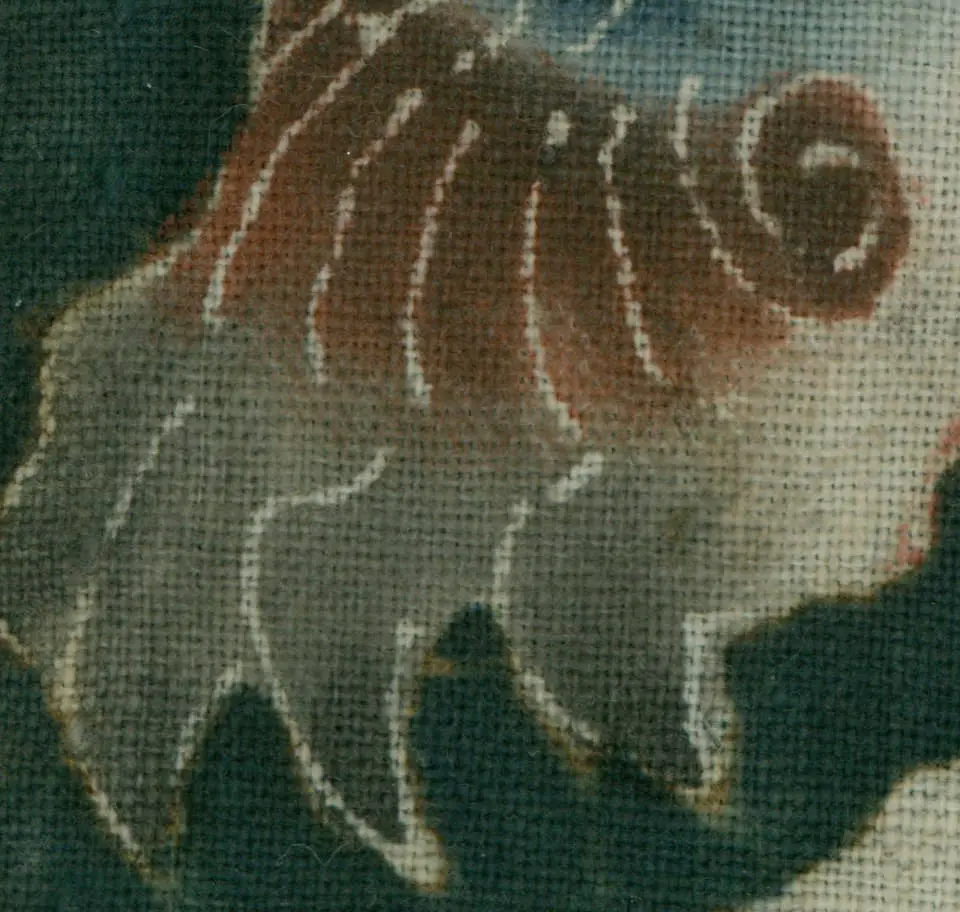
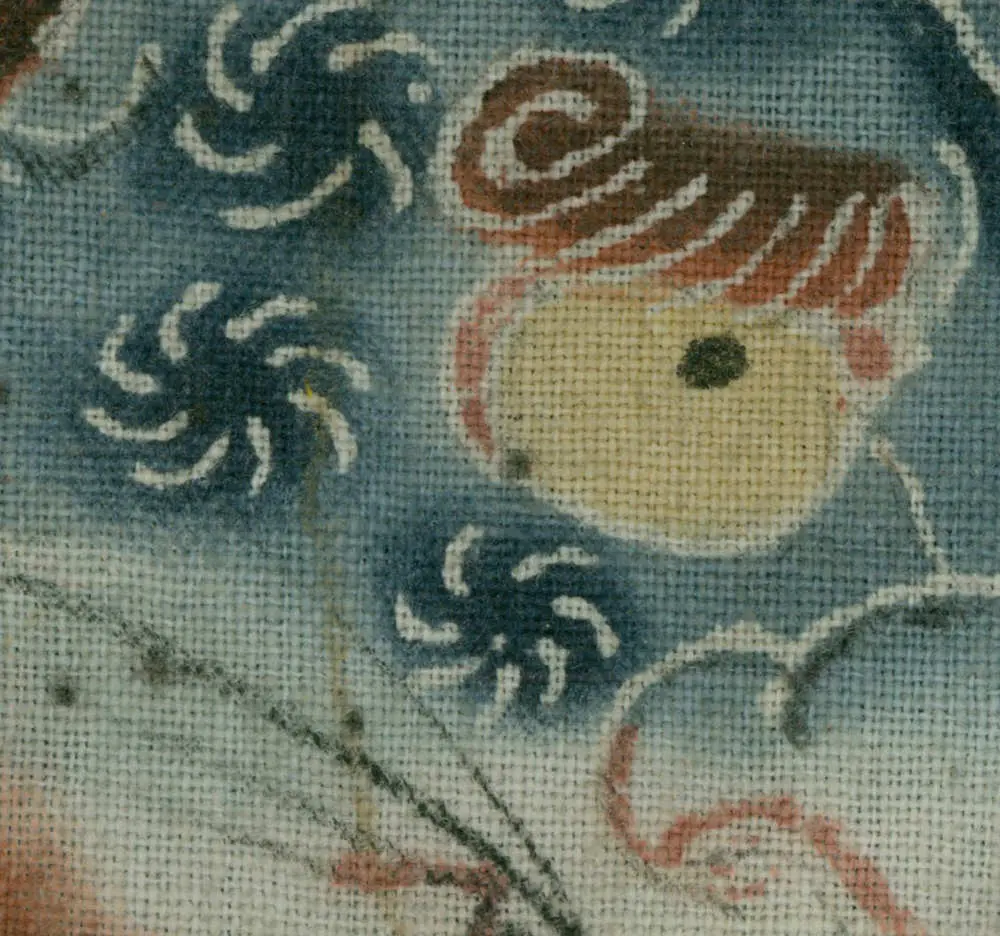

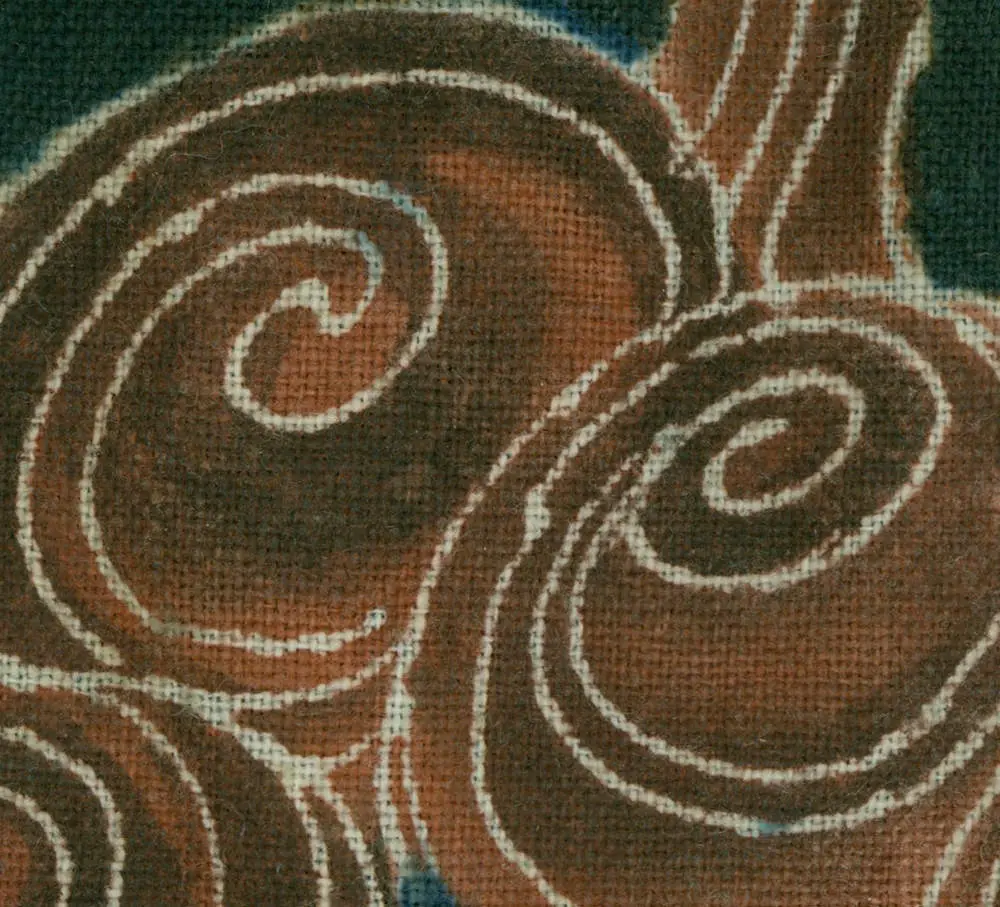
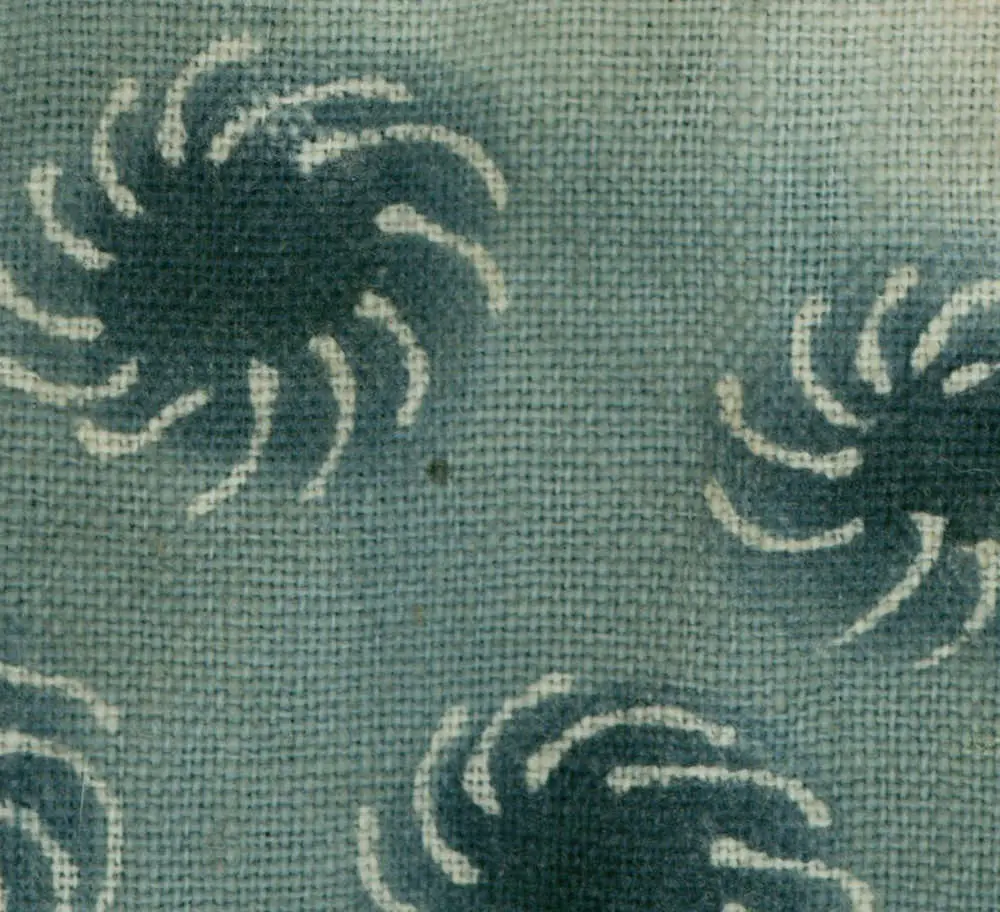
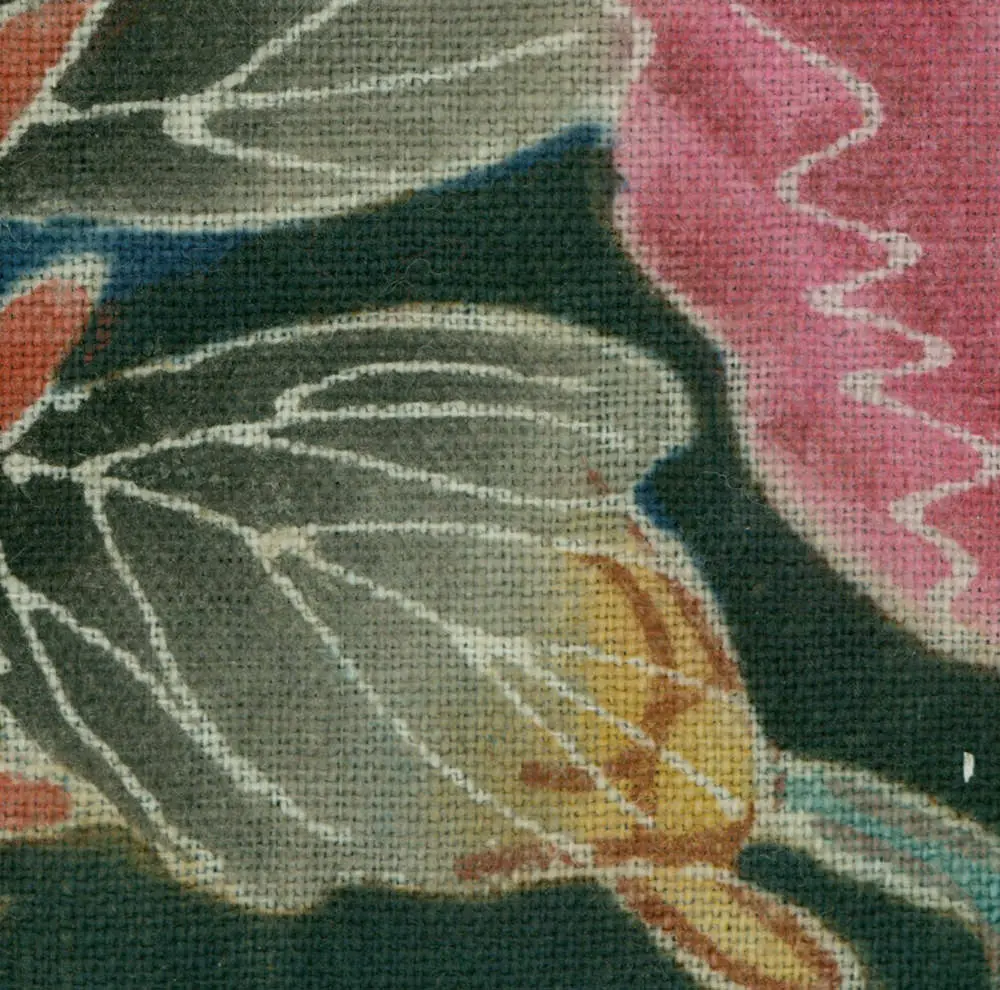
This hand-spun and hand-woven matrimonial blanket, dating from the late Edo to mid-Meiji period (1850–1900), is a significant example of traditional tsutsugaki (freehand paste-resist) dyeing. Measuring approximately 41 inches by 50 inches (104 cm x 127 cm), the piece is constructed from three panels of plain-weave cotton joined together to create a substantial bed cover. The central composition depicts a lively Chinese lion (karashishi) leaping among lush, flowering peonies, a motif deeply rooted in Japanese Buddhist tradition and the classic Noh drama Shakkyō (Stone Bridge).
The imagery on this textile carries profound symbolic weight for a wedding, representing the union of yin and yang energies. The lion embodies masculine vigor and strength, while the peonies signify beauty, sensuality, and feminine grace, making the pairing an auspicious wish for longevity and a prosperous new life together. The vibrant design is rendered in a palette of blue, natural white, pink, red, brown, and grey, all set against a deep, dark-green indigo background. A circular family crest is positioned in the lower right corner, likely representing the lineage of the matrimonial couple. While the blanket remains in very good condition with vivid colors, there is a ragged area visible on one edge and corner, which is characteristic of a piece that has been used and cherished within a household.

Payment Options: We primarily accept PayPal for all transactions. Credit and debit cards are not accepted. If you prefer to pay by personal check instead of PayPal, please note this preference in the "Additional comments" field when placing your order.Ordering Process
To receive your PayPal invoice, simply fill out the form.
Shipping Details: We ship all orders to the address associated with your PayPal payment. Please ensure your PayPal shipping address is current and accurate.A phone number is required during checkout, as our shipping carrier may need to contact you regarding delivery questions.Shipping RatesUnited States and Canada: $20International destinations (air mail): $40
