Copyright © 2026 Yorke Antique Textiles
.avif)

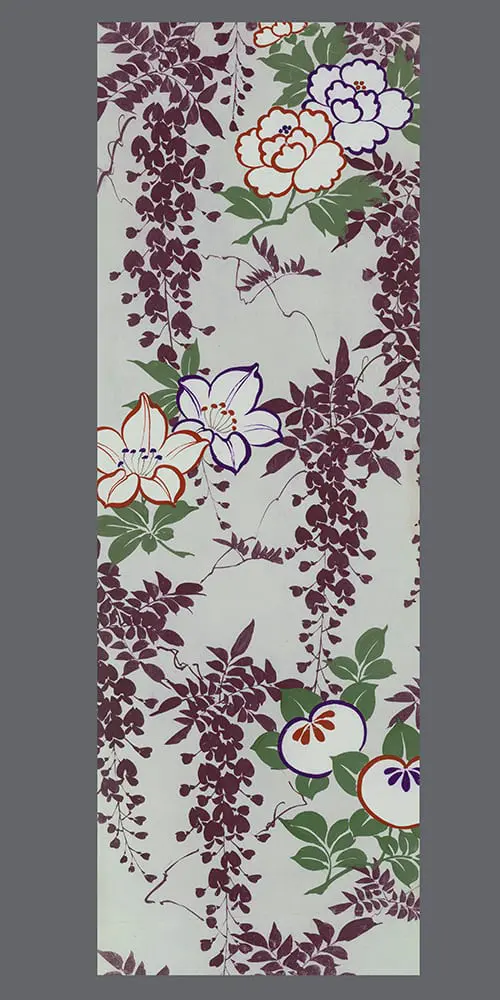
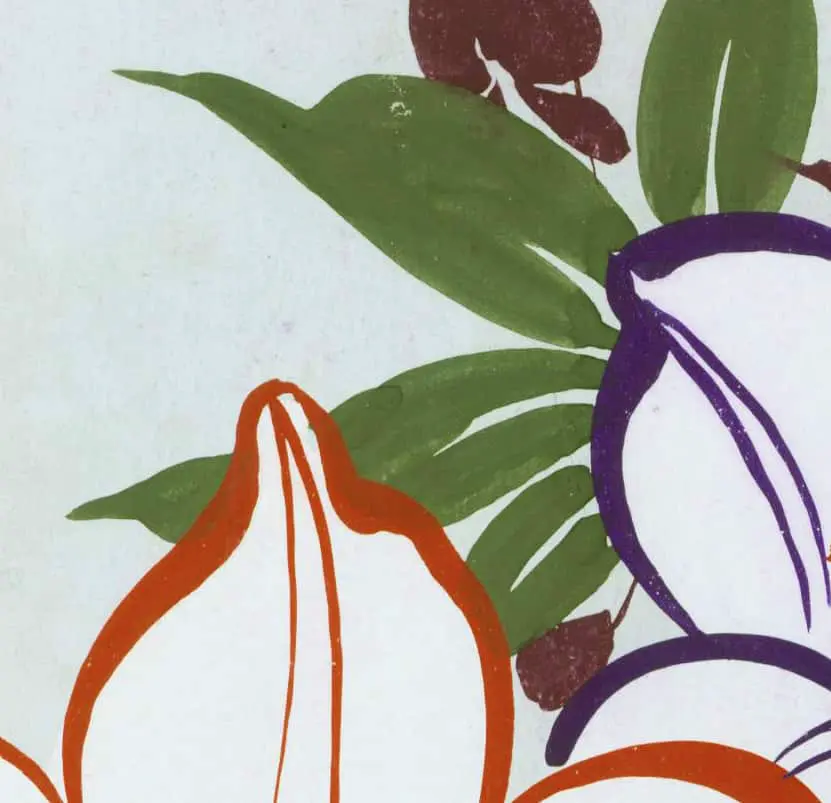
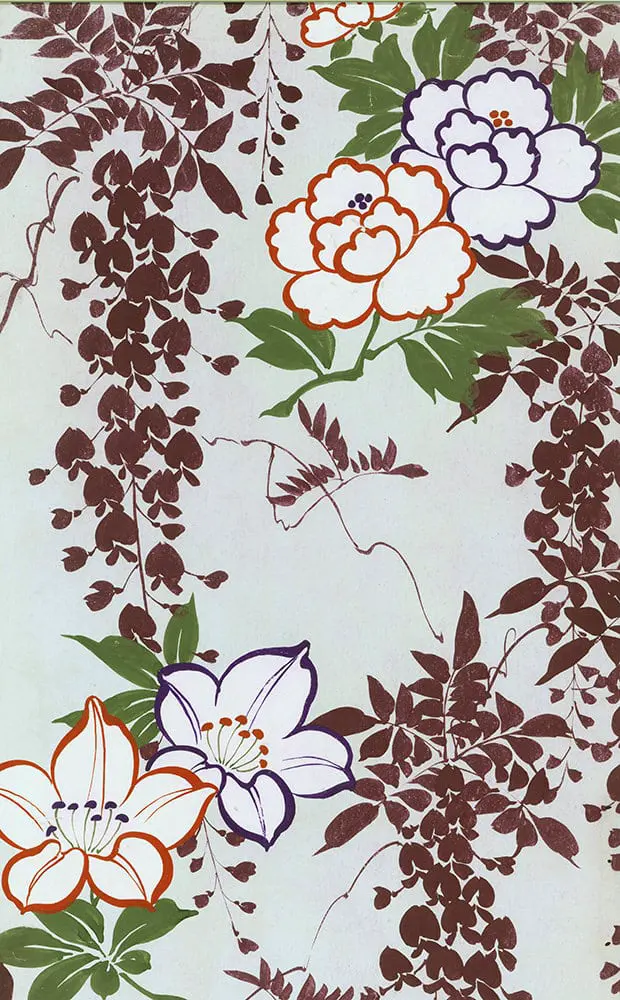
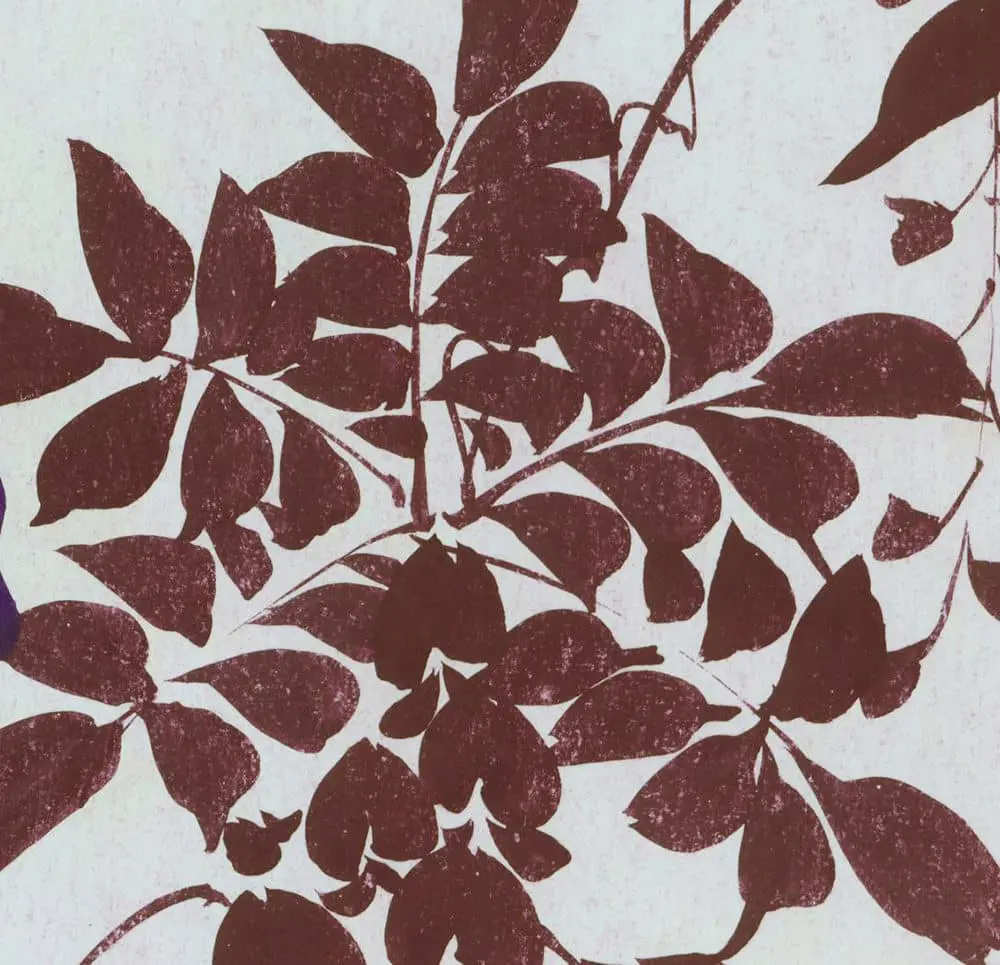
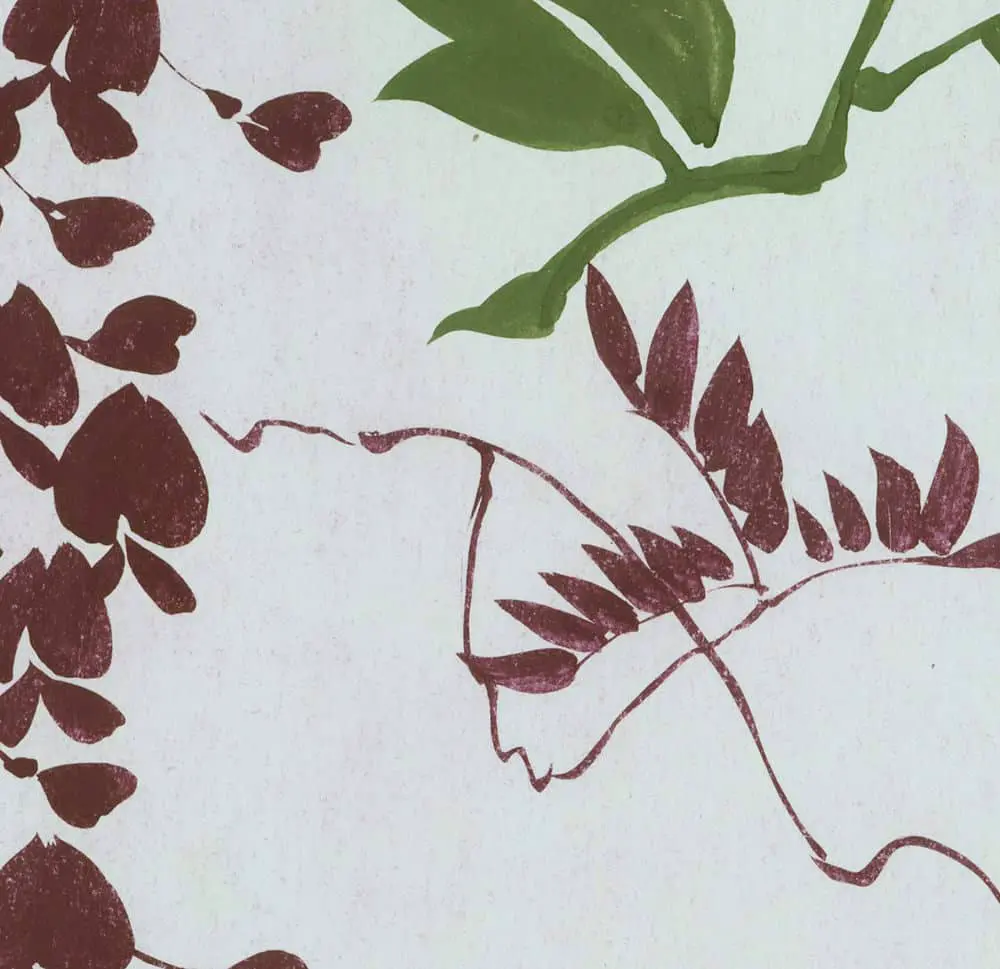
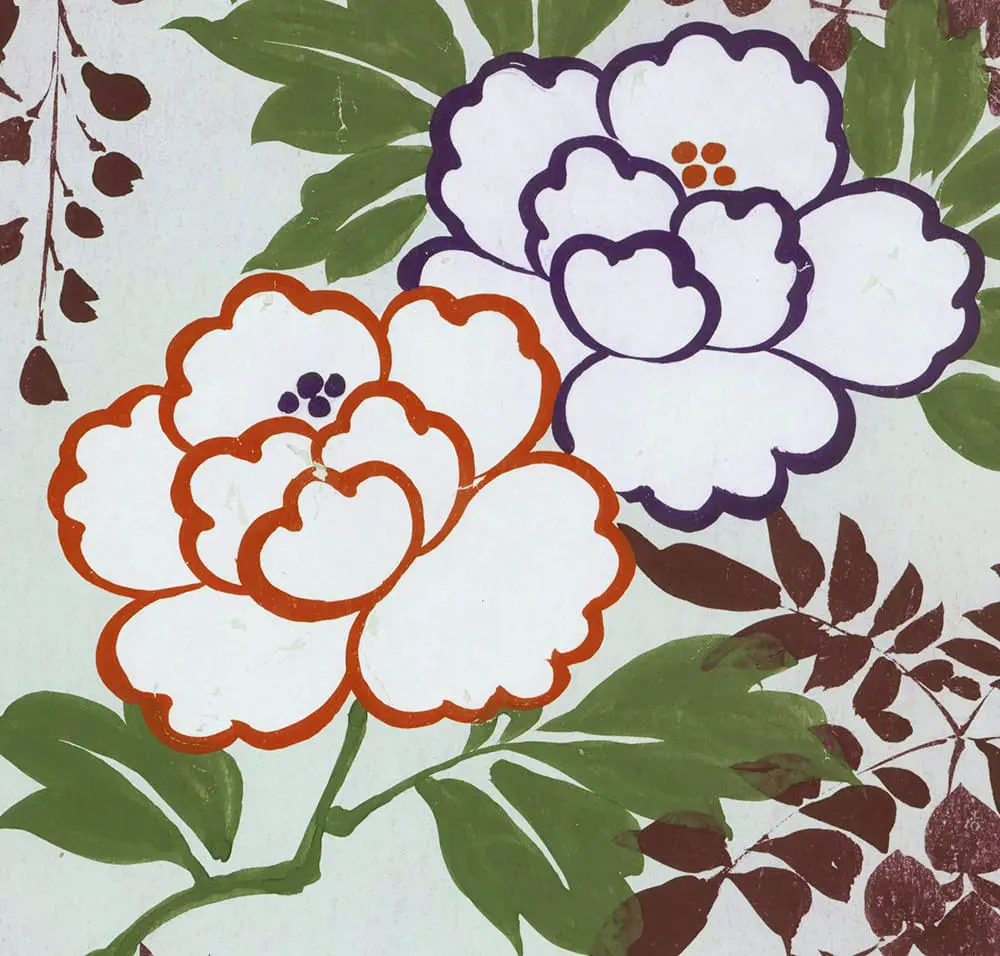
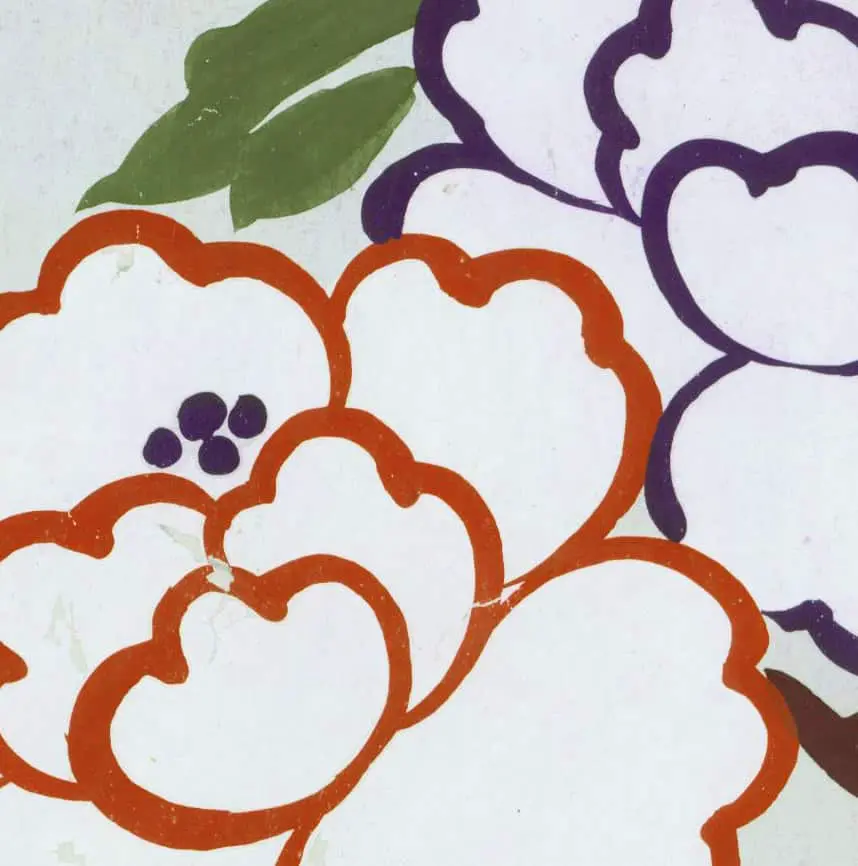
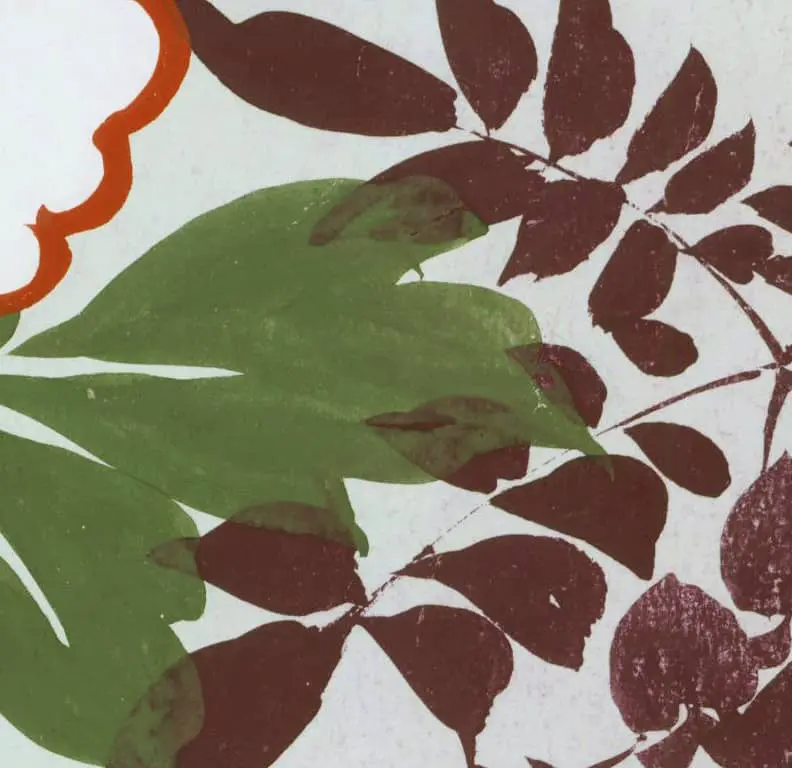

This elegant hand-painted watercolor is an original and distinctive artwork from Japan, dating to the Late Taisho to Early Showa period (1920–1940). Measuring 32 inches by 11 inches (81 cm x 28 cm), this piece was meticulously crafted for the purpose of transposing its design to yūzen resist-dye work on a silk kimono. The artwork remains in very good condition, showcasing the lyrical and expansive floral compositions that defined high-status feminine fashion during the early 20th century.
The composition features a cascading arrangement of seasonal flora set against a clean, off-white ground. Dominating the vertical space are long, trailing racemes of wisteria (fuji), rendered in a sophisticated deep plum hue. These are complemented by large, stylized peonies (botan) at the top, outlined in bold orange and purple with delicate interior detailing. Mid-way through the design, two lilies—one orange and one purple—provide a sharp, graphic focal point, while the bottom of the piece is anchored by circular fruit or floral buds. The artist has used a refined palette of forest green, rust-orange, and varying shades of purple, employing the yūzen aesthetic of crisp white resist lines to separate the vibrant pigments.

Payment Options: We primarily accept PayPal for all transactions. Credit and debit cards are not accepted. If you prefer to pay by personal check instead of PayPal, please note this preference in the "Additional comments" field when placing your order.Ordering Process
To receive your PayPal invoice, simply fill out the form.
Shipping Details: We ship all orders to the address associated with your PayPal payment. Please ensure your PayPal shipping address is current and accurate.A phone number is required during checkout, as our shipping carrier may need to contact you regarding delivery questions.Shipping RatesUnited States and Canada: $20International destinations (air mail): $40
