Copyright © 2026 Yorke Antique Textiles
.avif)

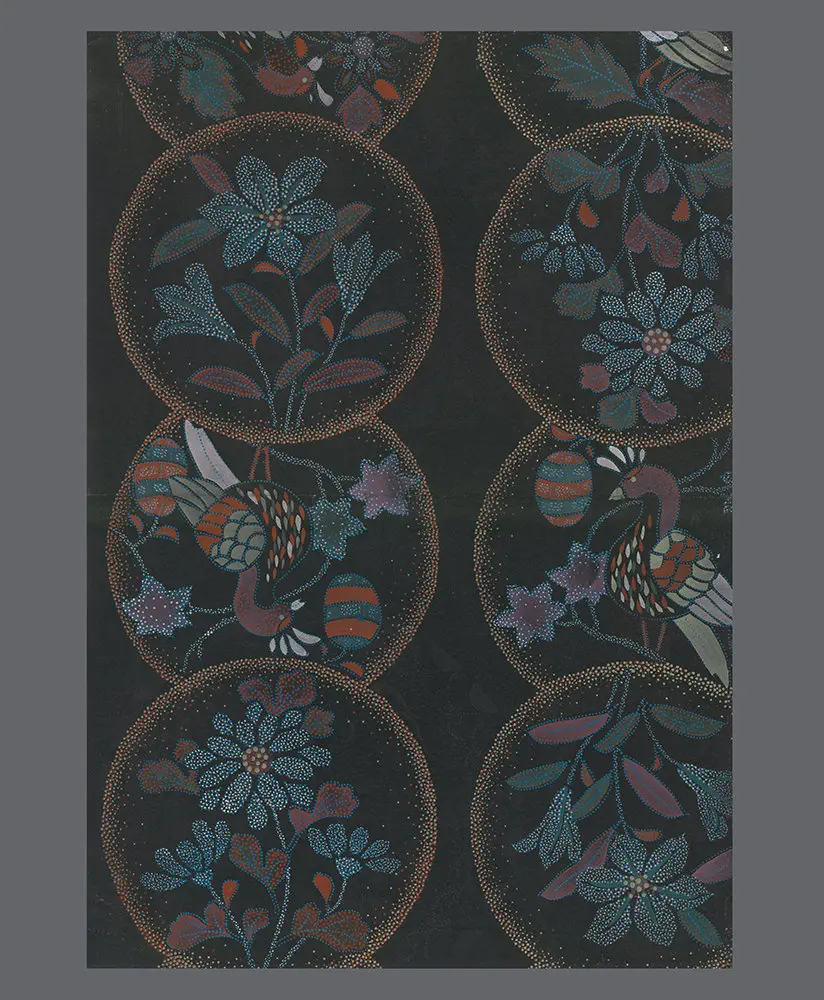

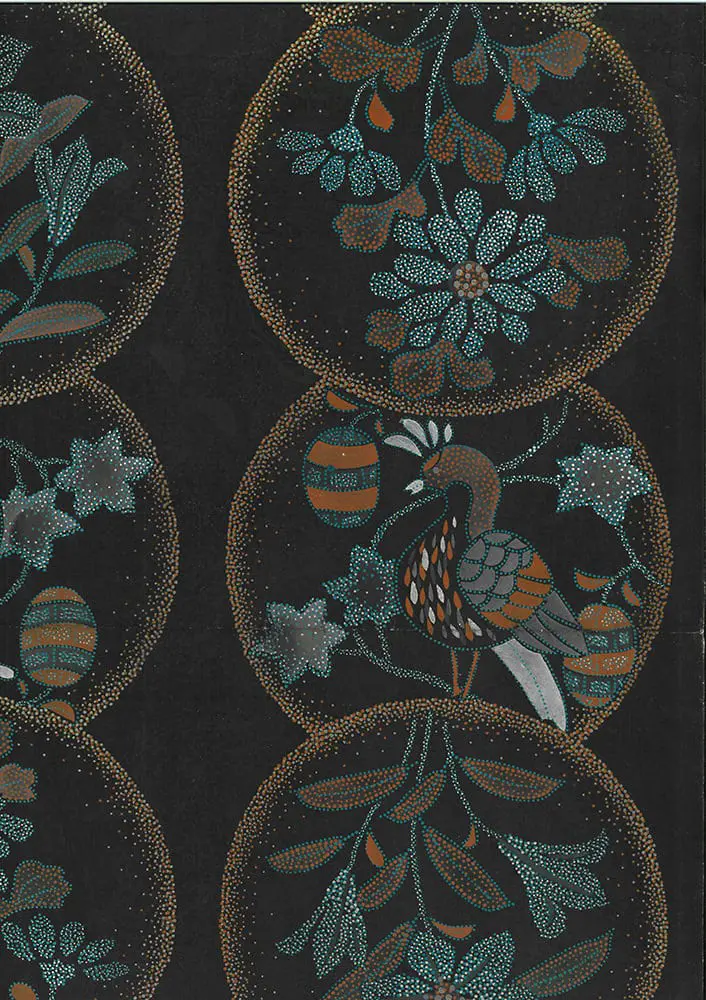
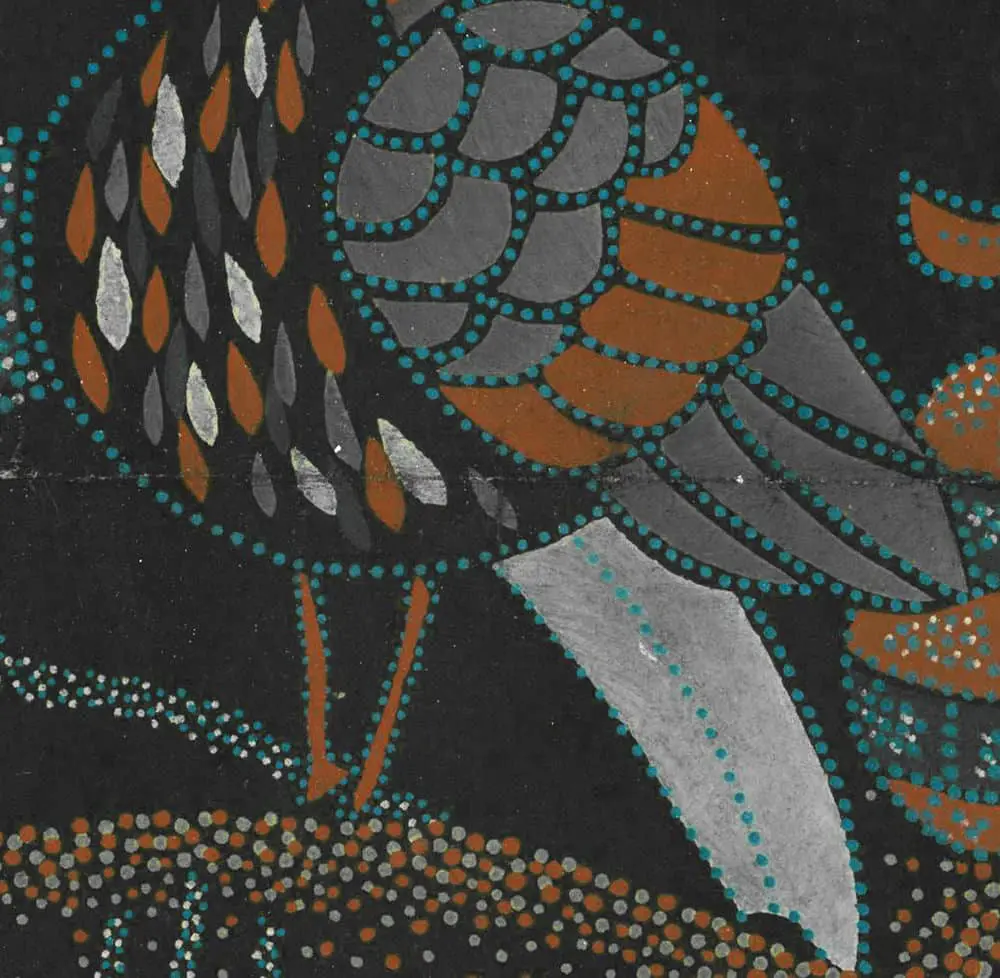
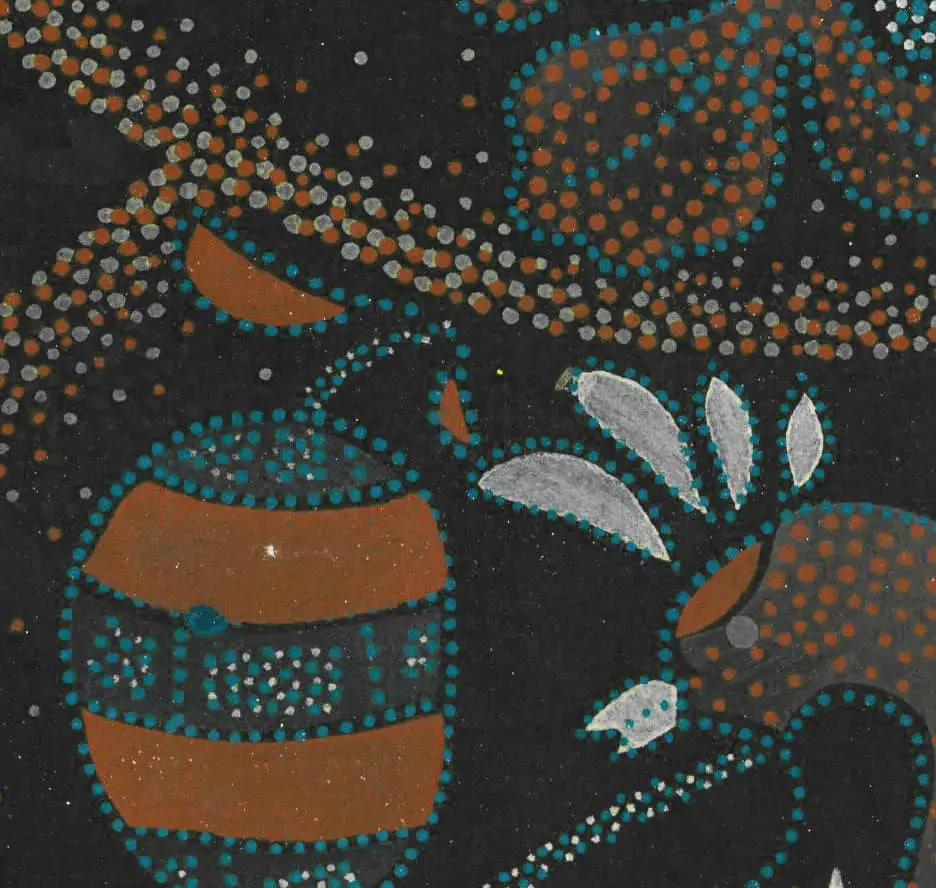
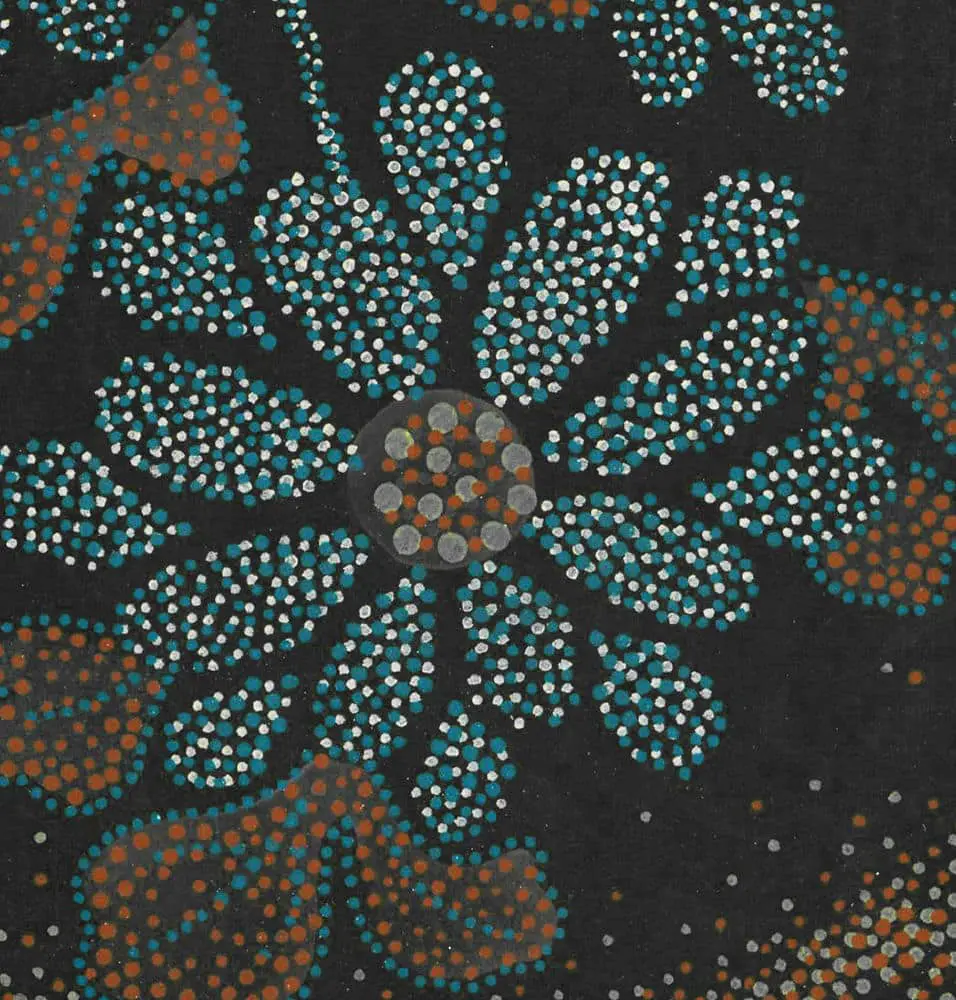
This intricate hand-painted watercolor is an original and distinctive artwork from Japan, dating to the Late Taisho to Early Showa period (1920–1940). Measuring 23 inches by 16 inches (58 cm x 41 cm), this piece was meticulously created to serve as a high-fidelity template for yūzen resist-dye work on a silk kimono. The artwork remains in very good condition and demonstrates a highly specialized "pointillist" stippling technique, where complex forms are built entirely from minute, controlled dots of pigment to mimic the texture of fine embroidery or tie-dye.
The composition is set against a deep black ground and features two vertical columns of overlapping circular medallions. Each medallion is outlined with a halo of golden-orange stippling and contains a unique, high-contrast scene. Several medallions showcase naturalistic floral studies of lilies and chrysanthemums in muted teal, violet, and peach tones, while others feature elegant birds with decorative, patterned plumage. The background areas between the primary roundels are punctuated by delicate floral sprays and falling leaves, creating a dense, jewel-like surface that reflects the playful and romantic "Taisho Roman" aesthetic.

Payment Options: We primarily accept PayPal for all transactions. Credit and debit cards are not accepted. If you prefer to pay by personal check instead of PayPal, please note this preference in the "Additional comments" field when placing your order.Ordering Process
To receive your PayPal invoice, simply fill out the form.
Shipping Details: We ship all orders to the address associated with your PayPal payment. Please ensure your PayPal shipping address is current and accurate.A phone number is required during checkout, as our shipping carrier may need to contact you regarding delivery questions.Shipping RatesUnited States and Canada: $20International destinations (air mail): $40
