Copyright © 2026 Yorke Antique Textiles
.avif)

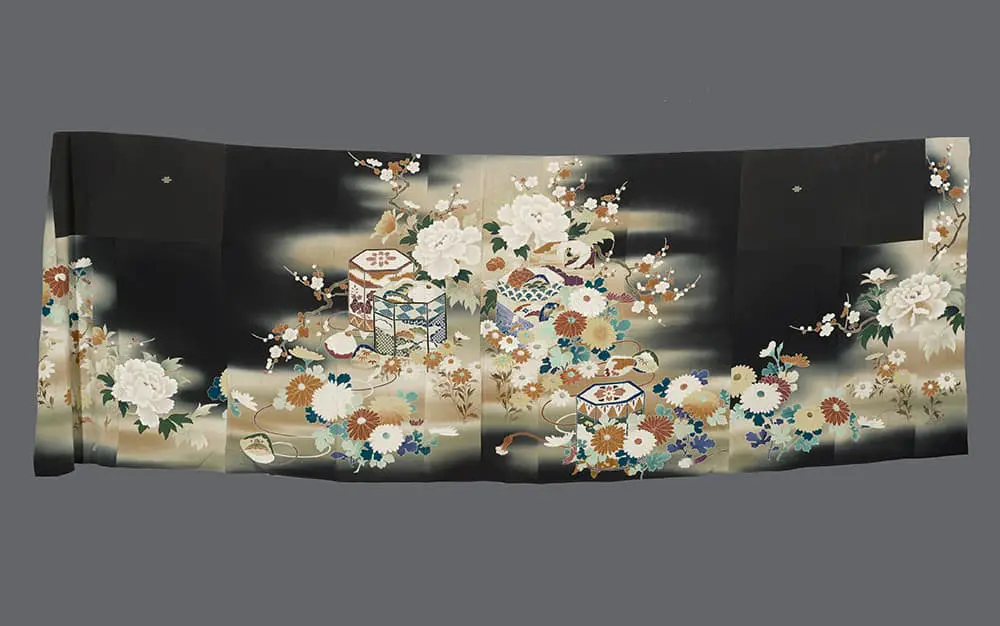


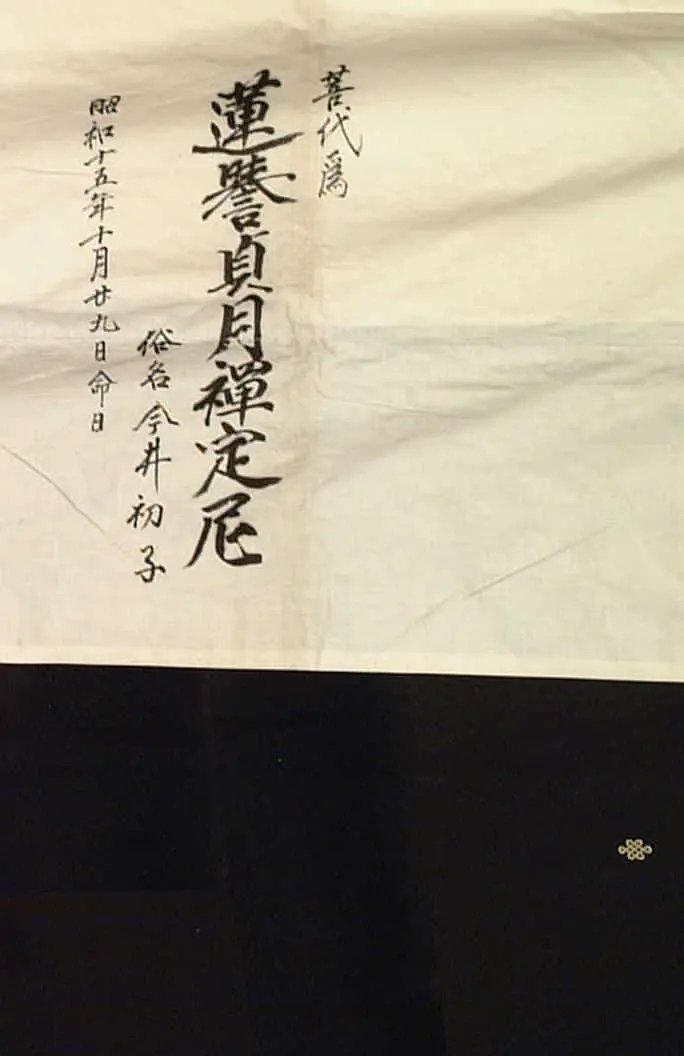
This expansive wedding screen, or maku (curtain), from Japan dates from the late Taisho to early Showa period (1920–1940). Measuring 104 inches in width and 47 inches in height (264 cm x 119 cm), the textile is constructed from numerous joined panels of high-quality silk. It remains in very good condition.
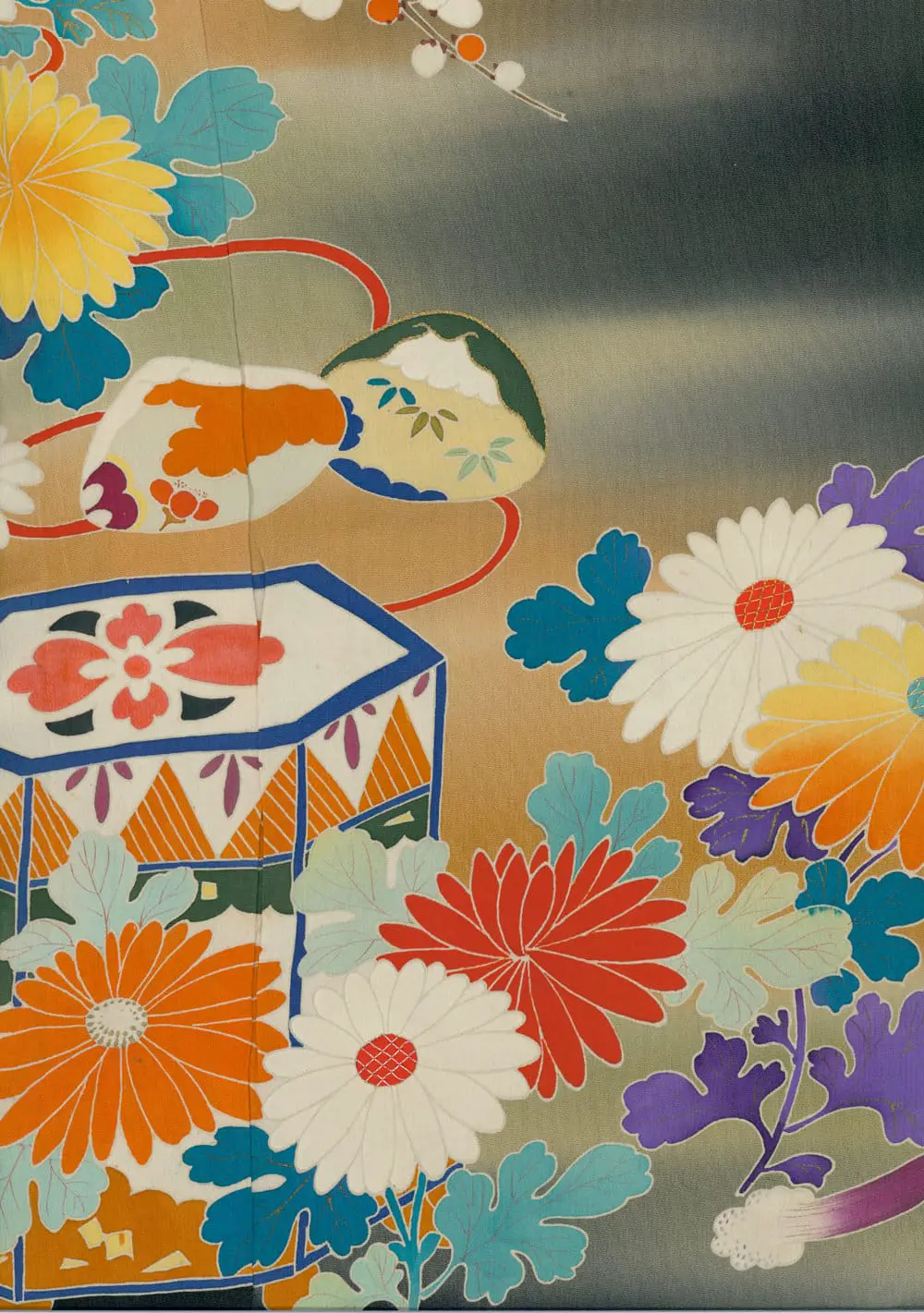
The screen features an opulent and dense composition of celebratory motifs created using the yuzen (resist-dyeing) technique against a dramatic black and misty-grey ground. The central imagery includes large, lush peonies—the "king of flowers" representing wealth and nobility—alongside vibrant chrysanthemums and blossoming plum branches. Interspersed throughout the floral landscape are decorative kai-oke (shell game boxes), which were traditional components of a bride's dowry and symbolized marital harmony. Subtle mon (family crests) are visible in the upper black sections, further marking the textile's ceremonial status.

Payment Options: We primarily accept PayPal for all transactions. Credit and debit cards are not accepted. If you prefer to pay by personal check instead of PayPal, please note this preference in the "Additional comments" field when placing your order.Ordering Process
To receive your PayPal invoice, simply fill out the form.
Shipping Details: We ship all orders to the address associated with your PayPal payment. Please ensure your PayPal shipping address is current and accurate.A phone number is required during checkout, as our shipping carrier may need to contact you regarding delivery questions.Shipping RatesUnited States and Canada: $20International destinations (air mail): $40
