Copyright © 2026 Yorke Antique Textiles
.avif)


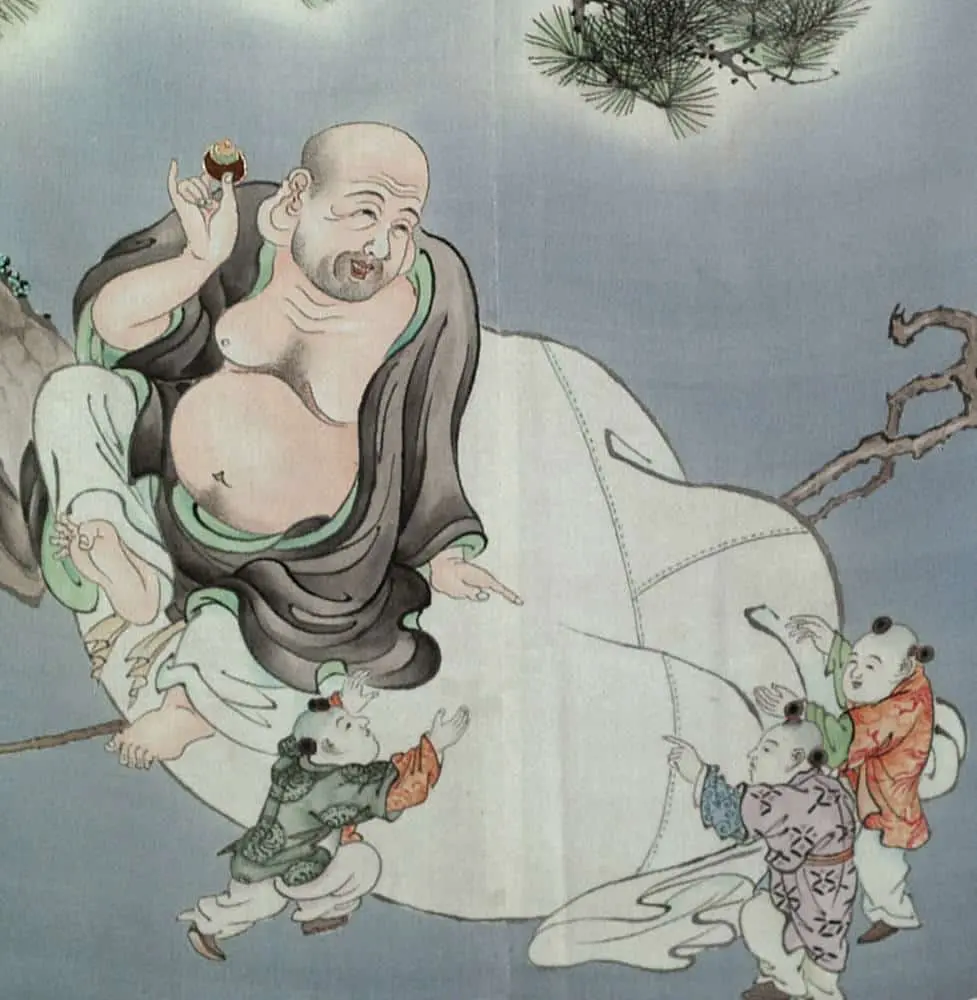

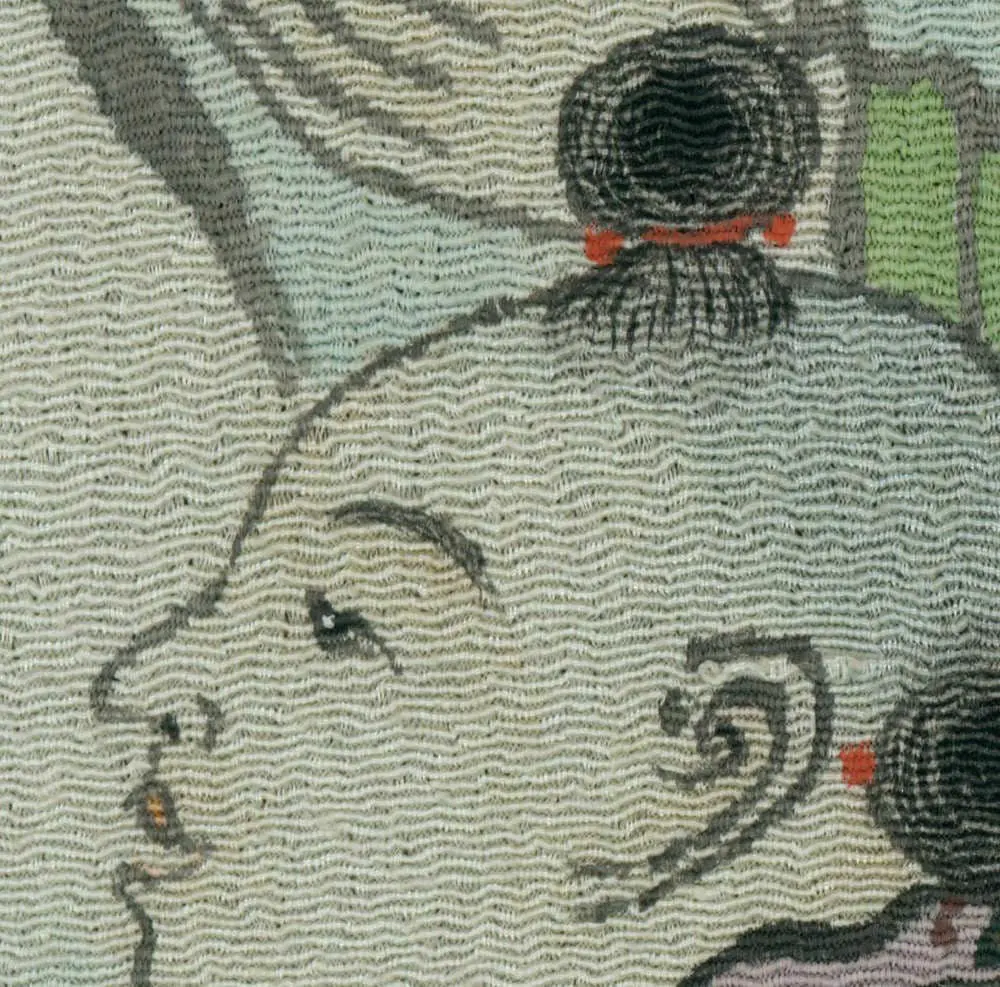

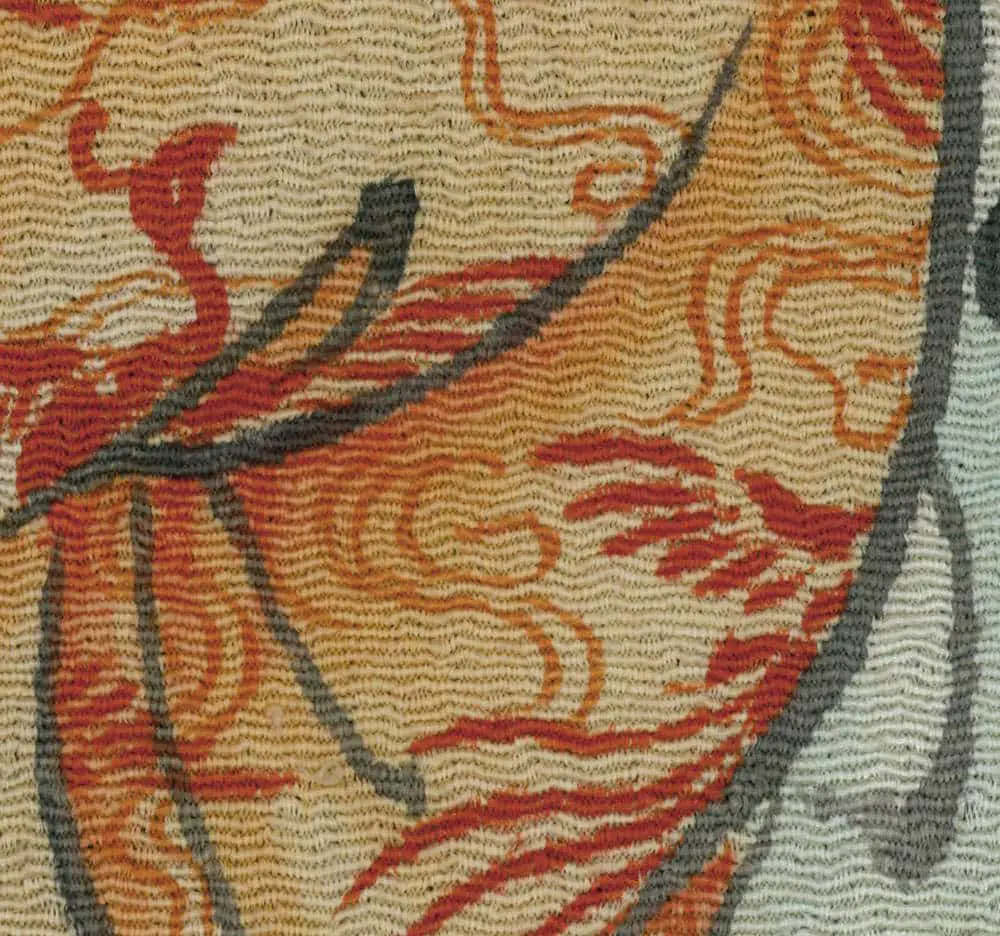
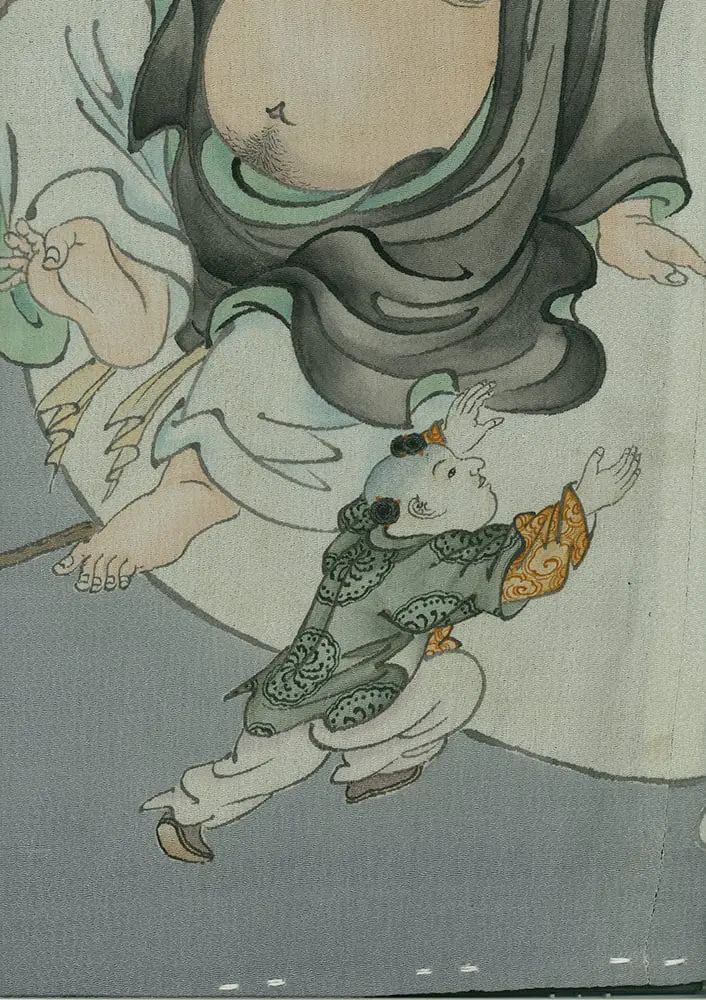


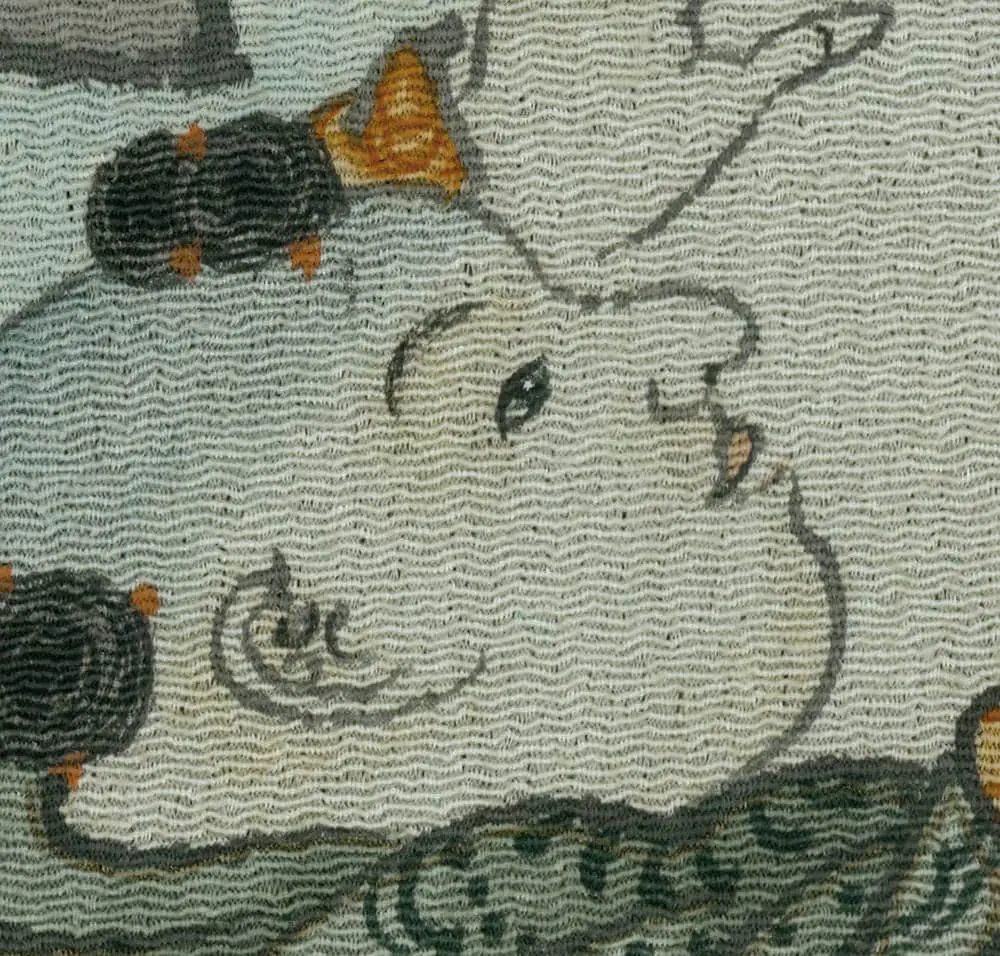
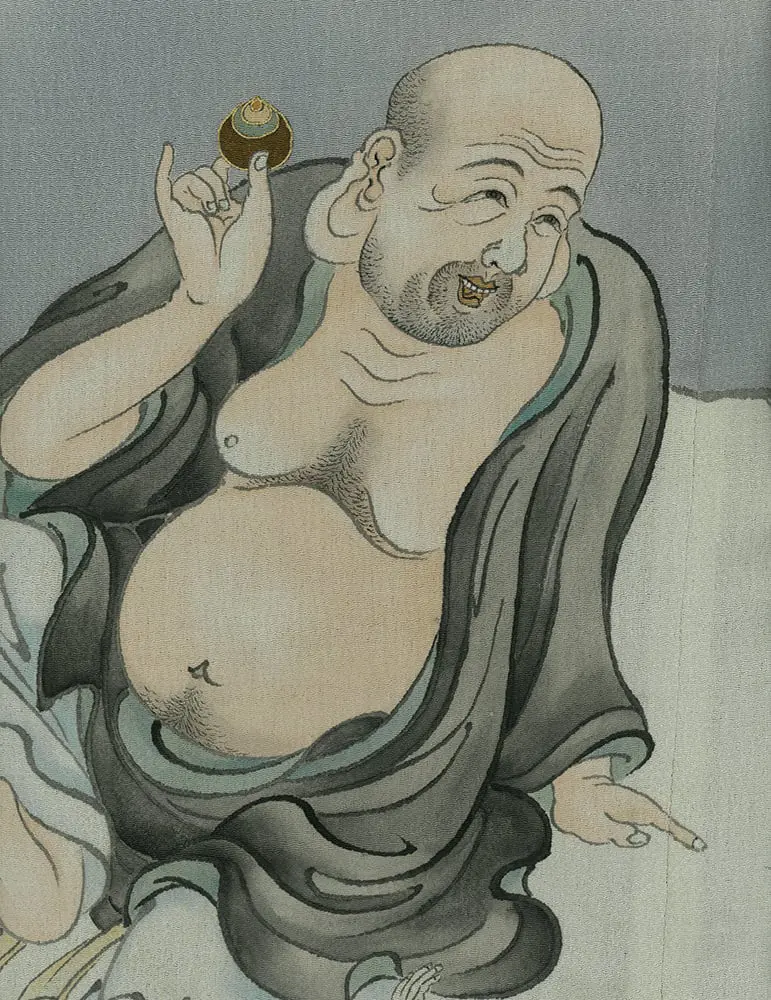
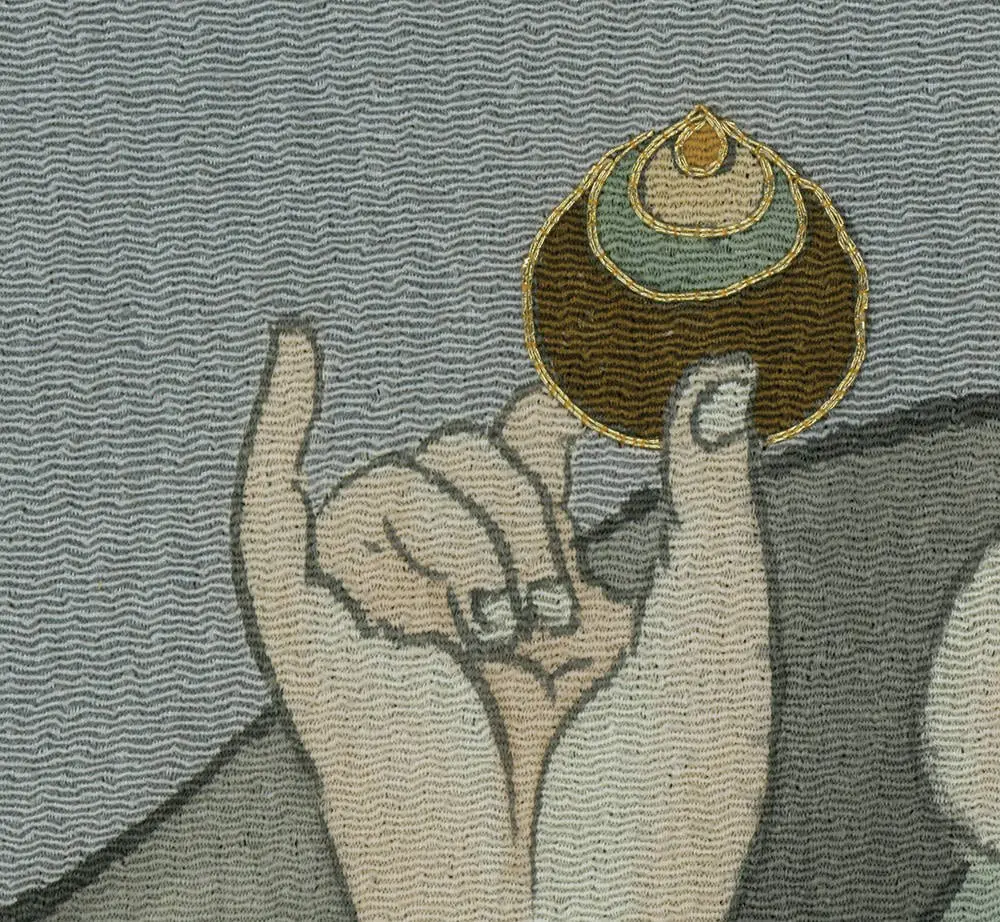
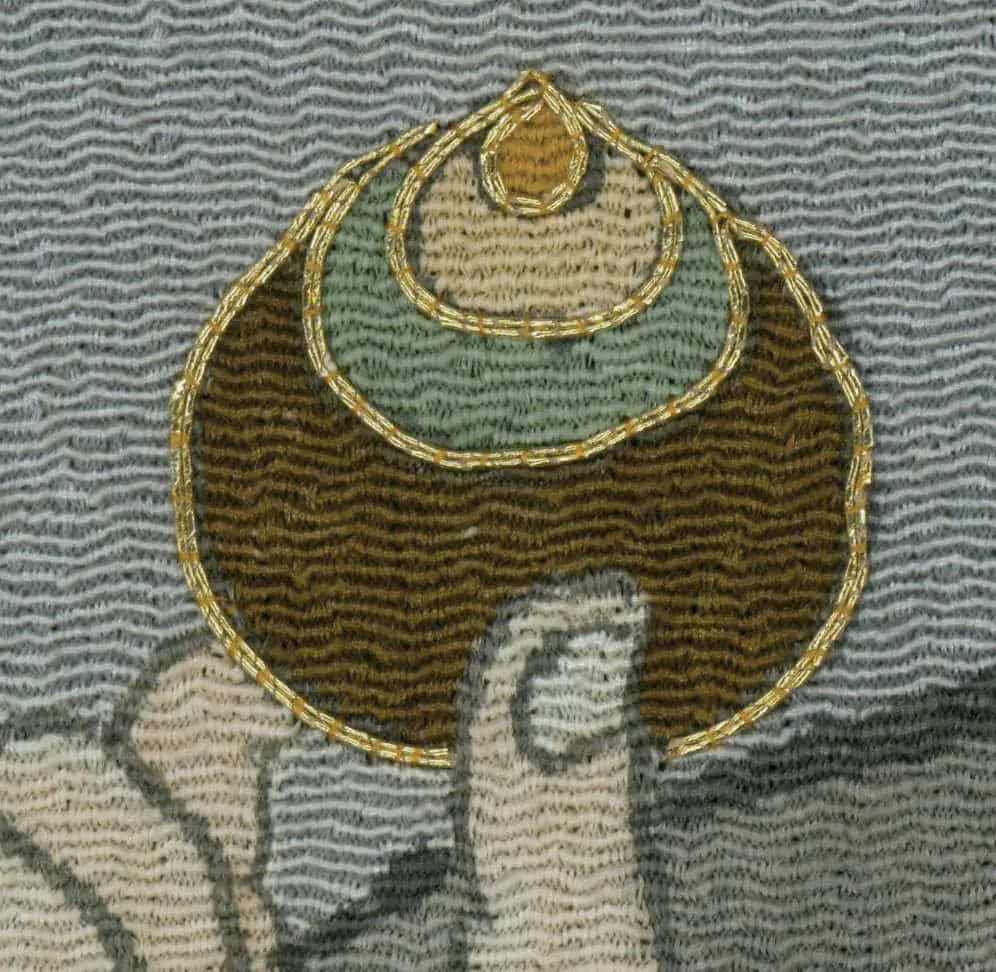
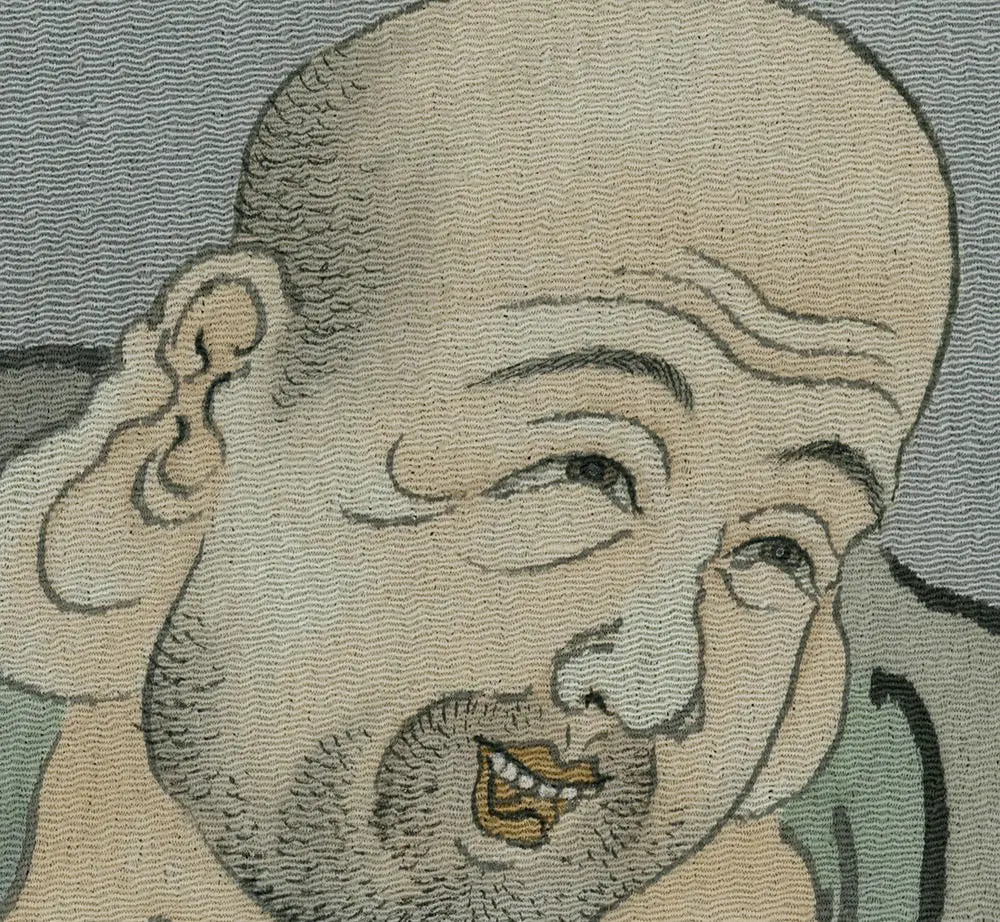
This monumental chirimen-silk kaga fukusa (gift cover), dating to the early to mid-Meiji period (1868–1900), is a vibrant celebration of prosperity and joy. Measuring a substantial 35 inches by 37 inches (89 cm x 94 cm), this piece is rendered in the prestigious Kaga yuzen style, originating from the Kanazawa region.
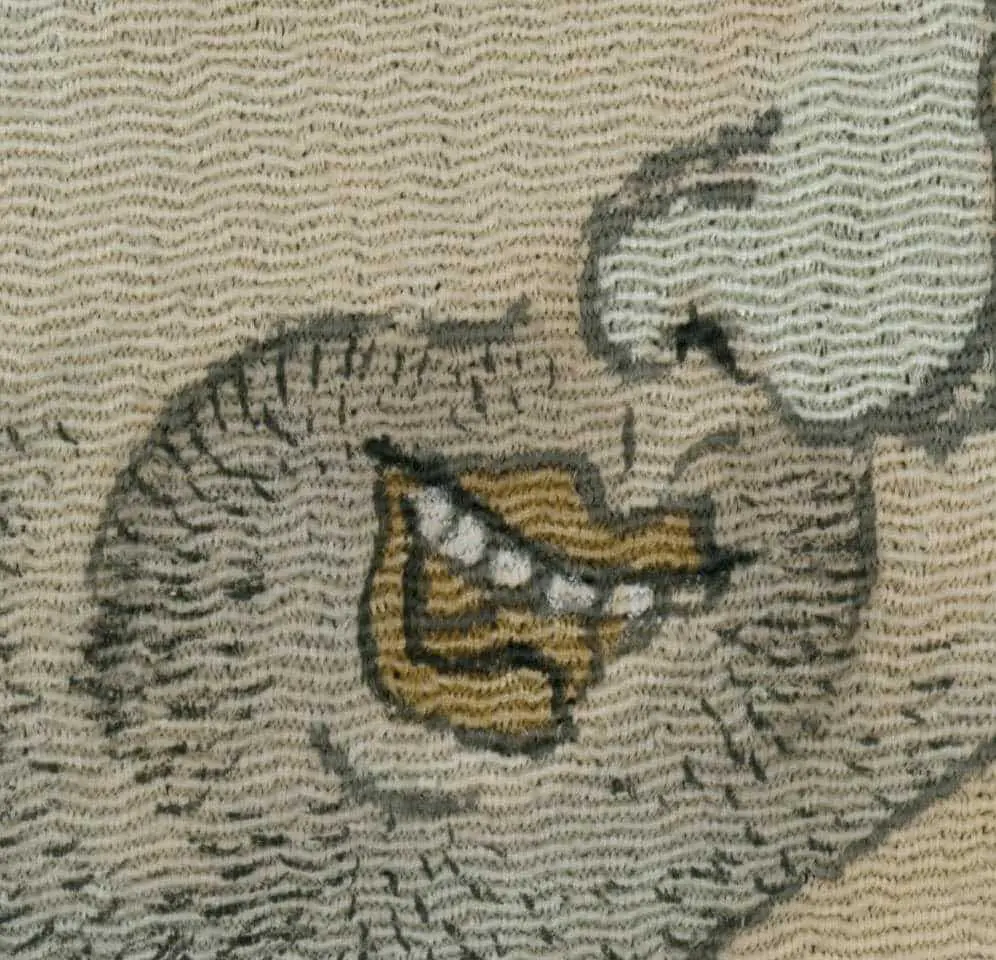
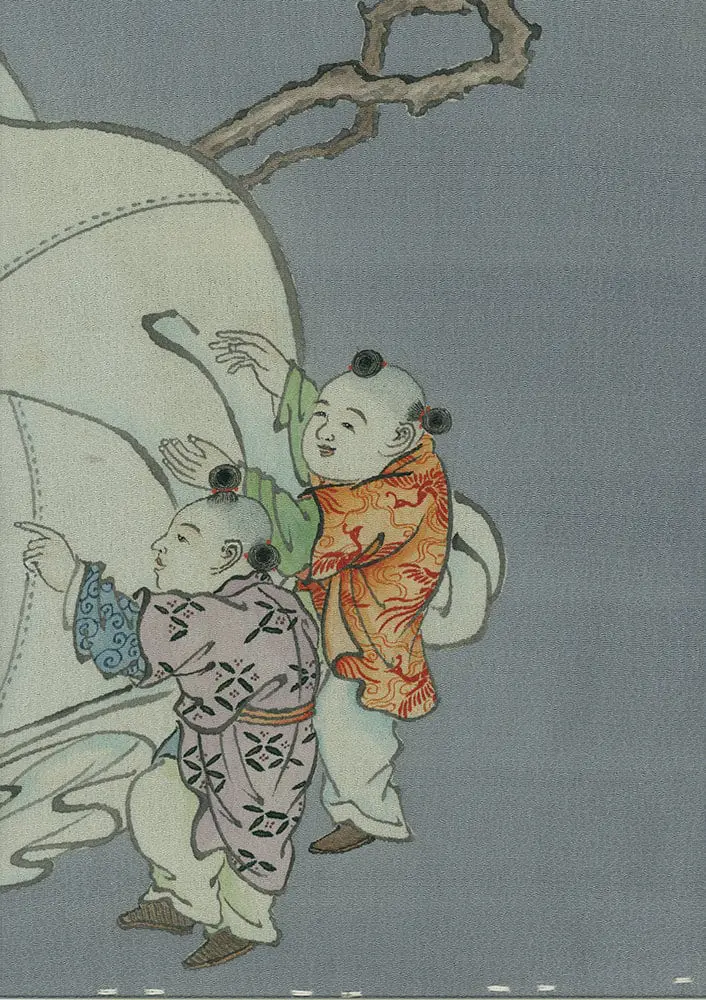
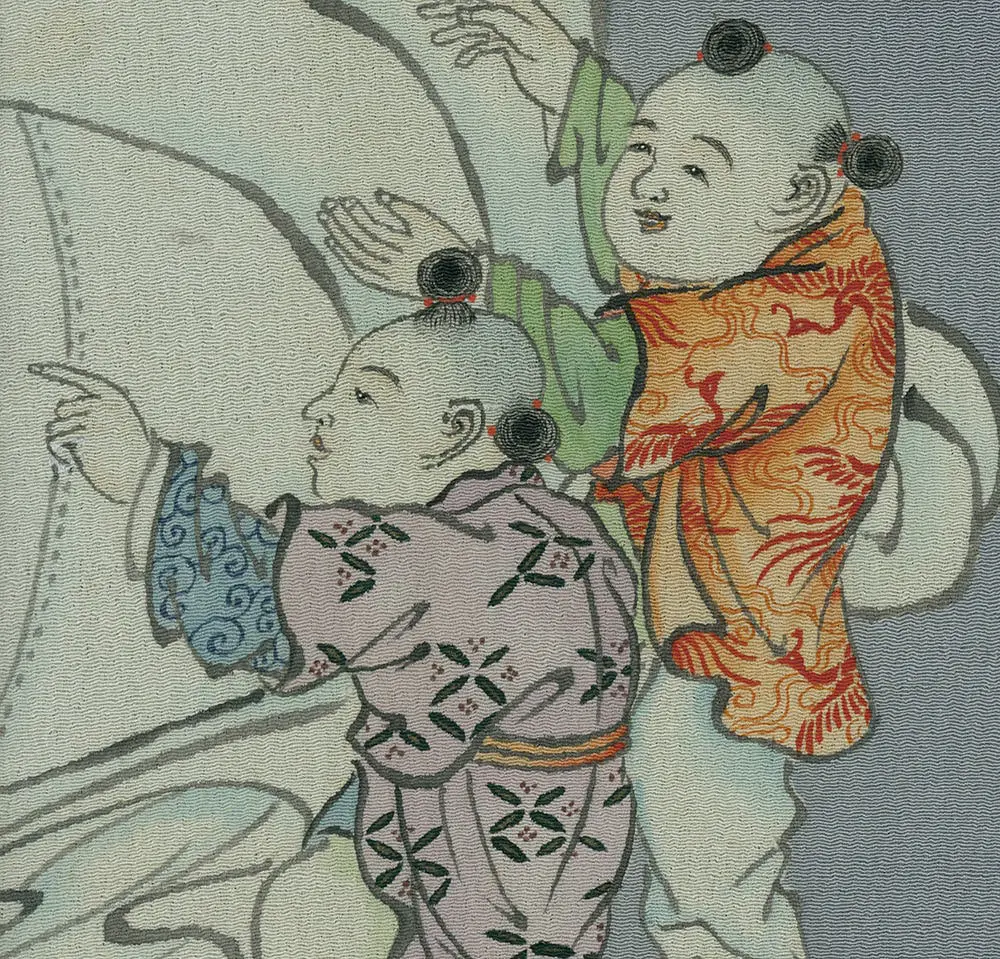
The central motif features Hotei, the God of Contentment and one of the Seven Lucky Gods (Fukujin), identifiable by his rotund belly and magnanimous expression. He leans against his legendary, inexhaustible cloth bag, which he uses to provide for the needy. Surrounding him are three karako (Chinese-style children) depicted in joyful play. In Japanese art, karako represent the hope for a high-status male heir and serve as universal symbols of luck and happiness. The scene is expertly executed through yuzen-dyeing, with fine embroidery highlights used to define Hotei's features and the textures of the pine tree overhead.

Payment Options: We primarily accept PayPal for all transactions. Credit and debit cards are not accepted. If you prefer to pay by personal check instead of PayPal, please note this preference in the "Additional comments" field when placing your order.Ordering Process
To receive your PayPal invoice, simply fill out the form.
Shipping Details: We ship all orders to the address associated with your PayPal payment. Please ensure your PayPal shipping address is current and accurate.A phone number is required during checkout, as our shipping carrier may need to contact you regarding delivery questions.Shipping RatesUnited States and Canada: $20International destinations (air mail): $40
