Copyright © 2026 Yorke Antique Textiles
.avif)


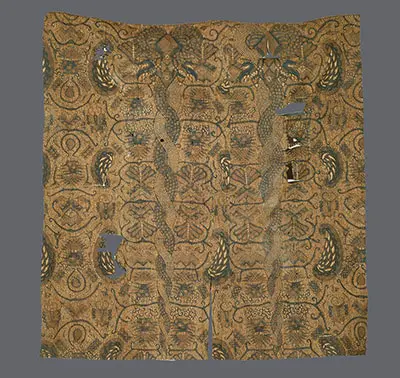
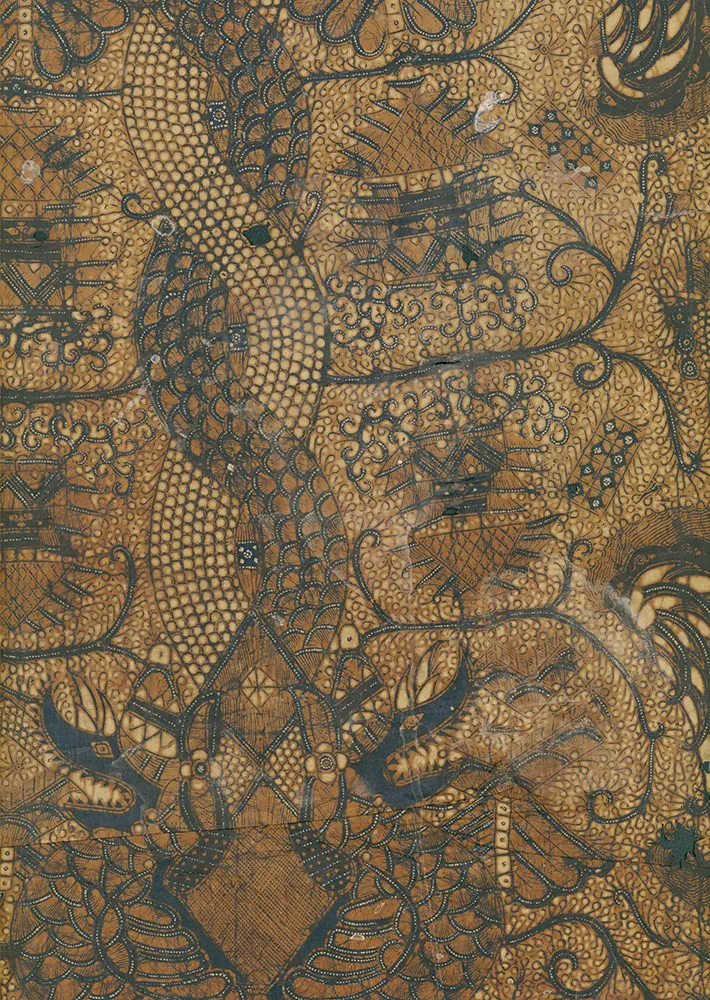


This rare and very fine Javanese batik, dating from the late 19th to early 20th century (1870–1920), is a unique textile composed of two cloths sewn together. Measuring approximately 40 inches by 41 inches (102 cm x 104 cm), the piece stands out for its non-traditional, "tribal" aesthetic, which departs from more common courtly Javanese patterns. The composition features bold, vertical serpentine forms—potentially representing the Naga—interspersed with rhythmic, shield-like geometric medallions and organic scrolling vines.
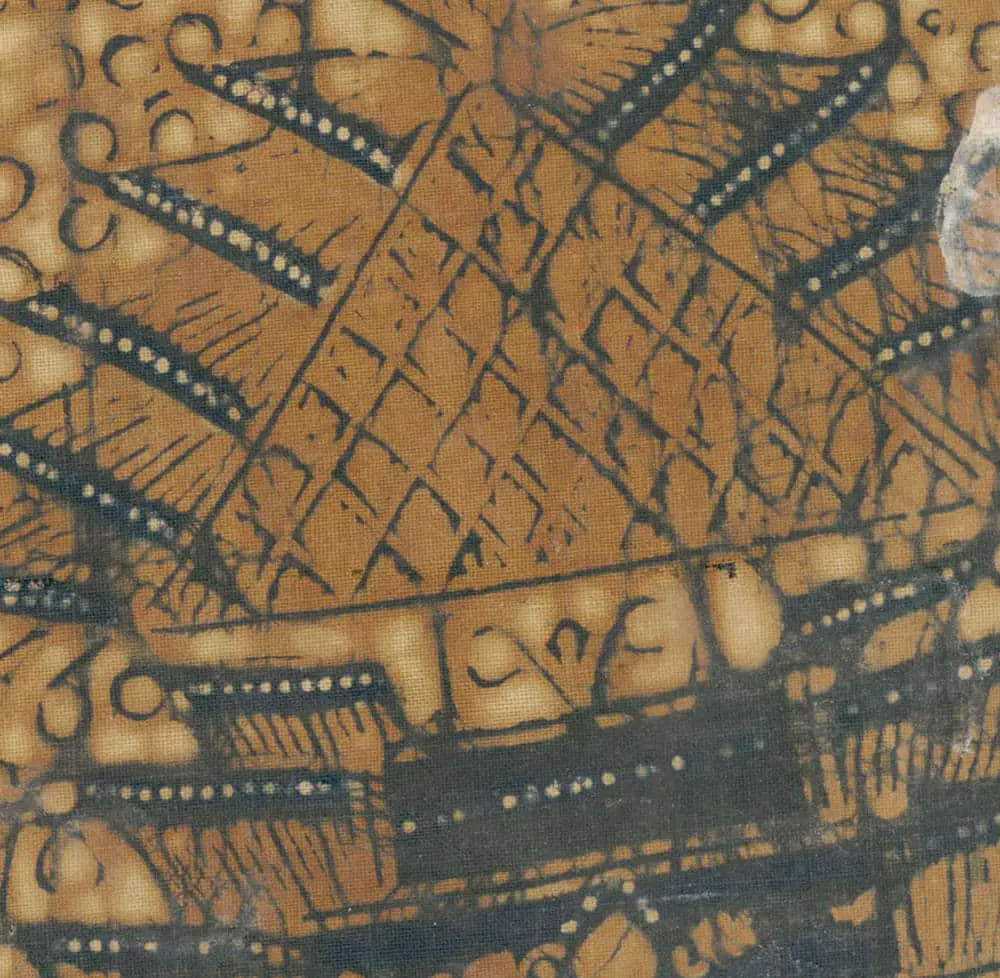
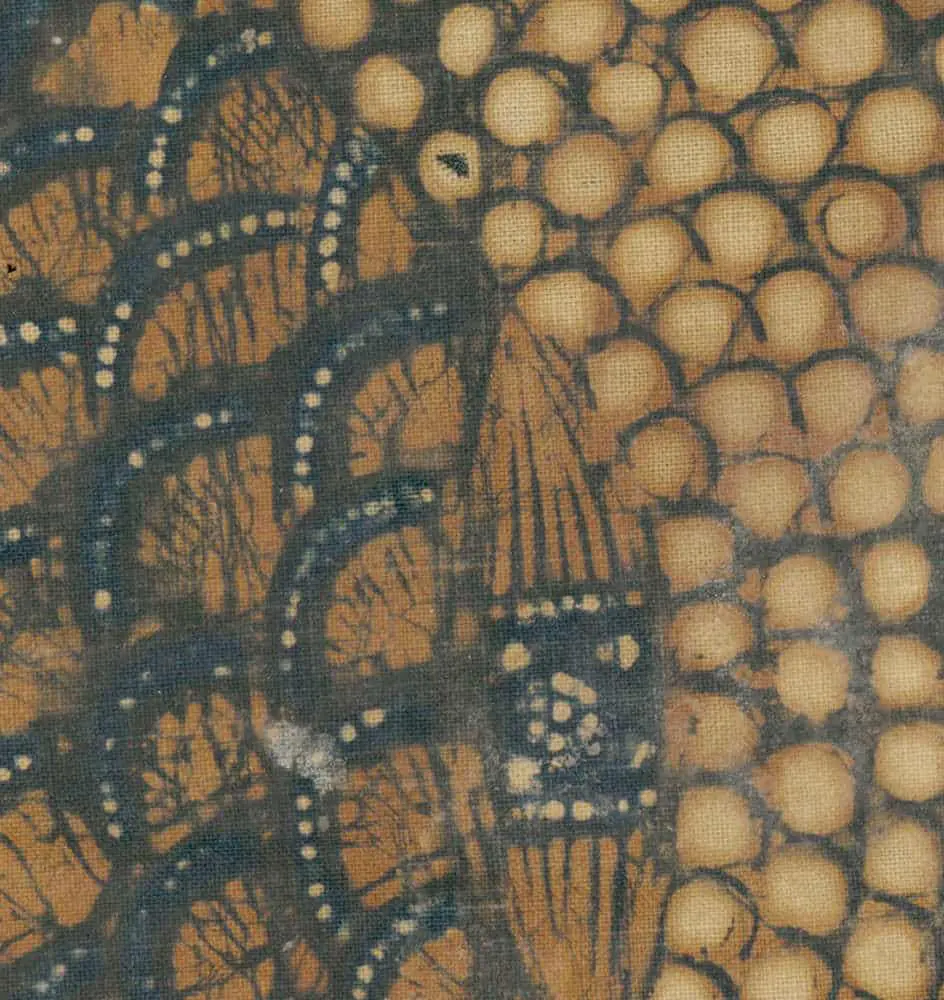
The batik is rendered in deep, earthy shades of chestnut brown and indigo, colors that were achieved through complex natural dyeing processes. Currently, the textile is in poor condition; it suffers from multiple significant holes and fragility caused by the use of an acidic mordant during the dyeing process, which has historically weakened the cotton fibers. Despite this degradation, the surviving sections reveal a masterfully detailed execution of hand-drawn wax-resist work.

Payment Options: We primarily accept PayPal for all transactions. Credit and debit cards are not accepted. If you prefer to pay by personal check instead of PayPal, please note this preference in the "Additional comments" field when placing your order.Ordering Process
To receive your PayPal invoice, simply fill out the form.
Shipping Details: We ship all orders to the address associated with your PayPal payment. Please ensure your PayPal shipping address is current and accurate.A phone number is required during checkout, as our shipping carrier may need to contact you regarding delivery questions.Shipping RatesUnited States and Canada: $20International destinations (air mail): $40
