Copyright © 2026 Yorke Antique Textiles
.avif)

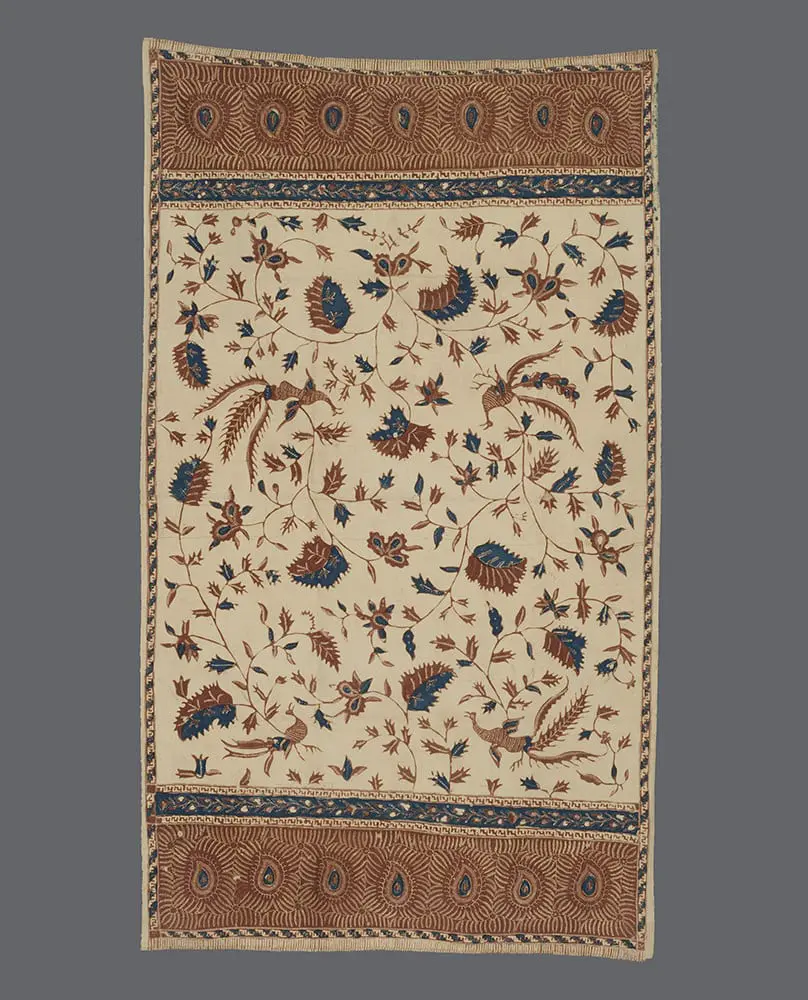
This hand-drawn batik cotton cloth, originating from the coastal town of Lasem, Java, Indonesia between 1930 and 1940, is a vibrant example of the bang-biru (red and blue) color tradition. Measuring 58 inches by 33 inches (147 cm x 84 cm), its specific dimensions suggest it may have served as a ceremonial covering cloth rather than a traditional shouldercloth or baby carrier.
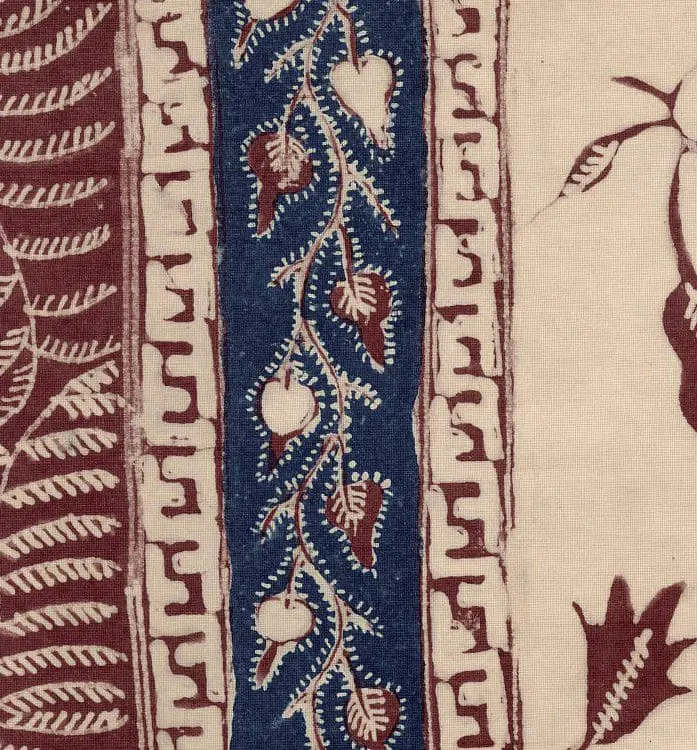
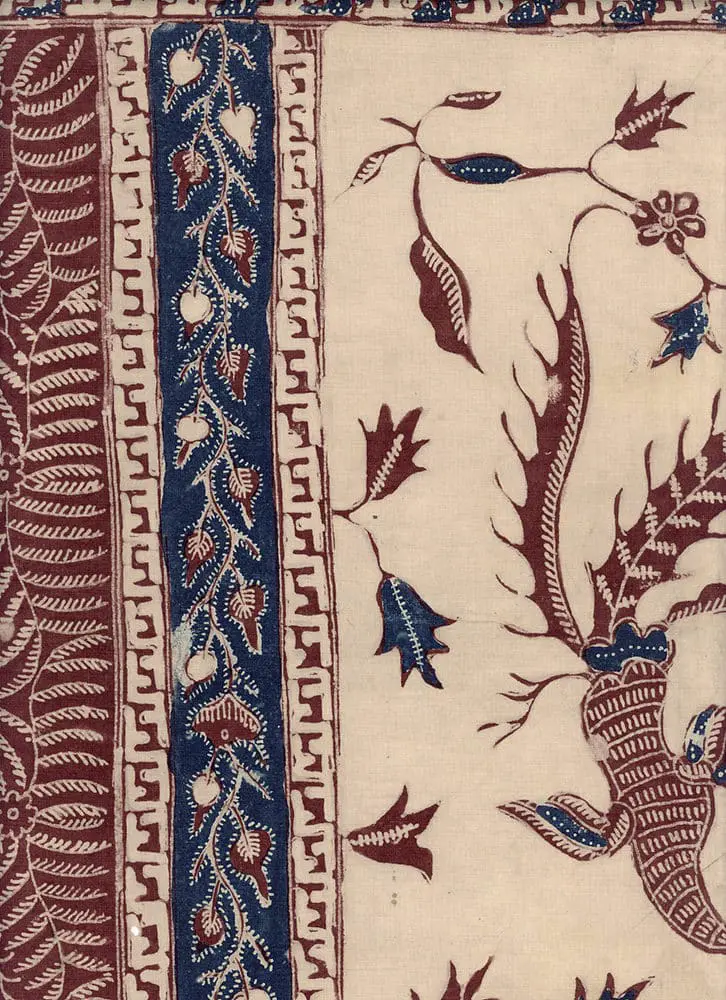
The central field features four elegant phoenixes—symbols of longevity and marital harmony—interwoven with flourishing vines against a crisp white background. The end panels are rendered in a deep, "vibrant" red for which Lasem was historically famous, showcasing unique paisley motifs enclosed within leafy, organic squares. The composition is framed by blue borders featuring banji (swastika) motifs, symbolizing eternal good fortune. Characteristic of the 1930s North Coast style, the motifs are intricately outlined with fine white dots. The textile remains in very good condition with vivid, unfaded hues and durable, slightly crisp cotton.

Payment Options: We primarily accept PayPal for all transactions. Credit and debit cards are not accepted. If you prefer to pay by personal check instead of PayPal, please note this preference in the "Additional comments" field when placing your order.Ordering Process
To receive your PayPal invoice, simply fill out the form.
Shipping Details: We ship all orders to the address associated with your PayPal payment. Please ensure your PayPal shipping address is current and accurate.A phone number is required during checkout, as our shipping carrier may need to contact you regarding delivery questions.Shipping RatesUnited States and Canada: $20International destinations (air mail): $40
