Copyright © 2026 Yorke Antique Textiles
.avif)


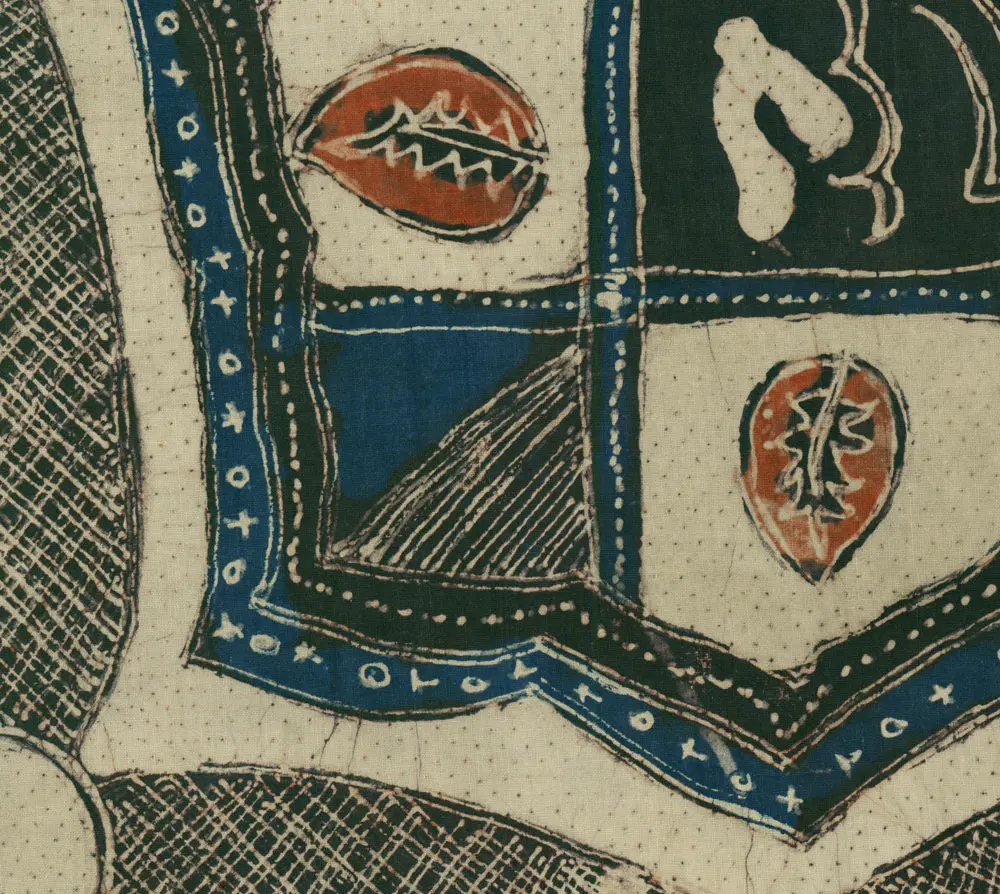
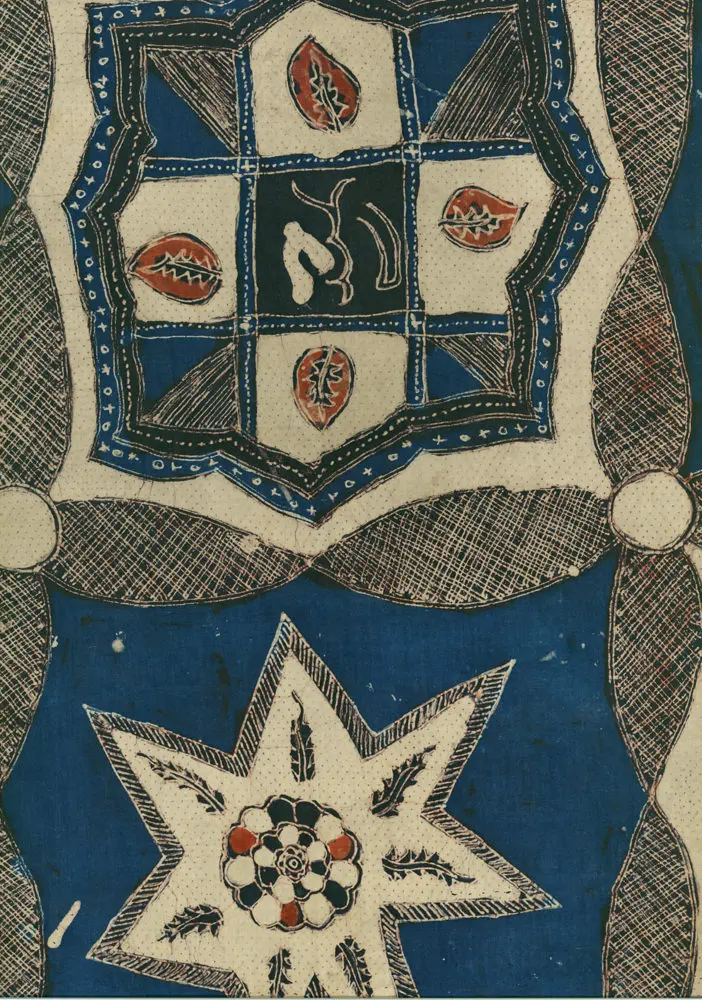
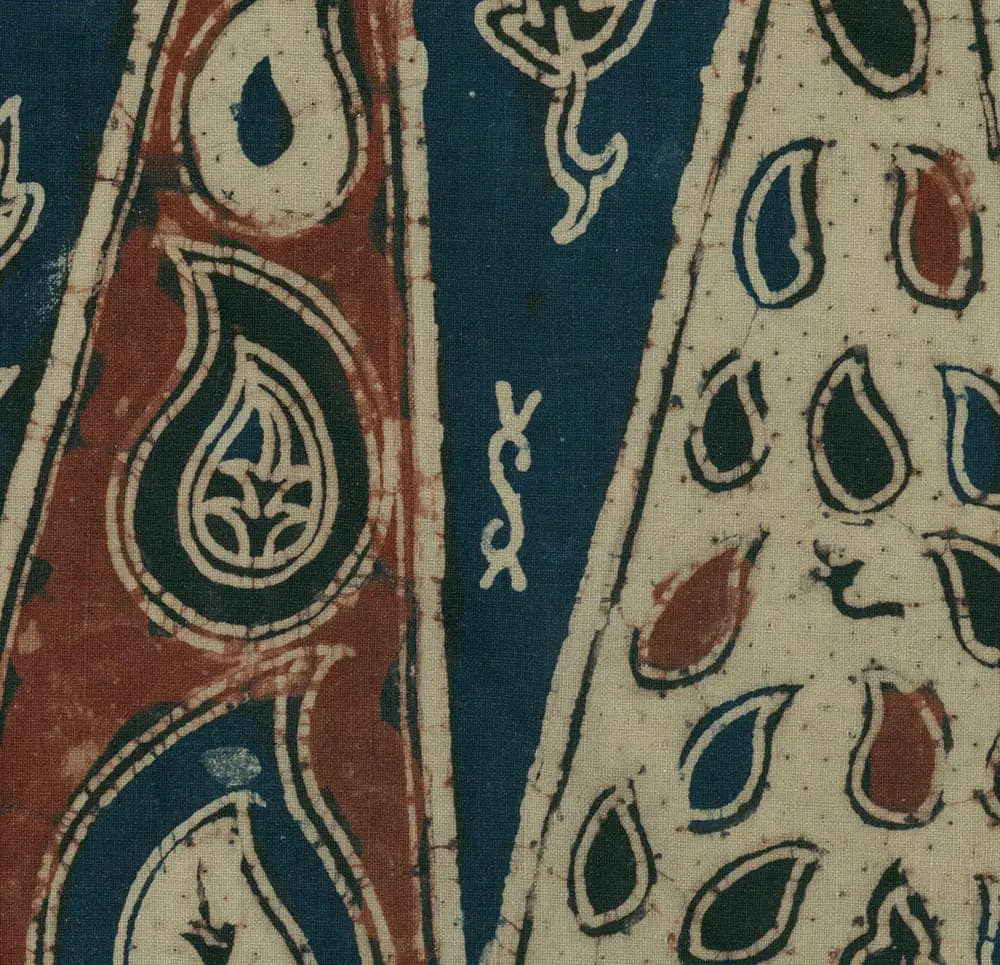
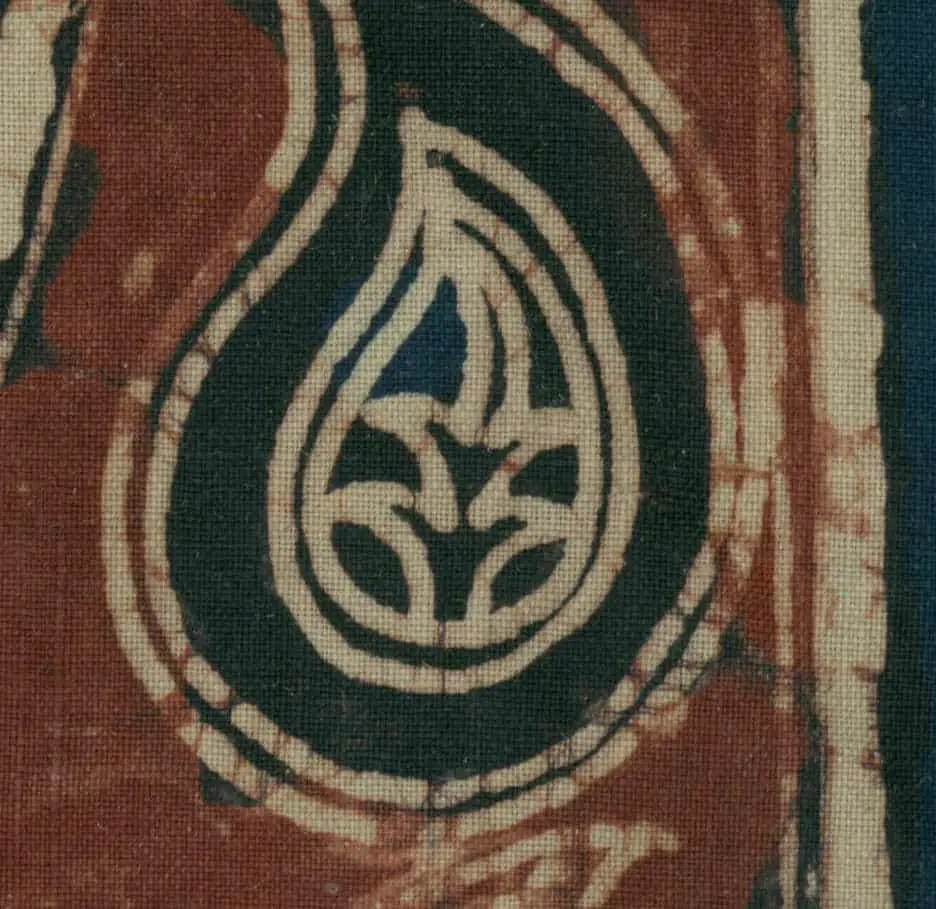
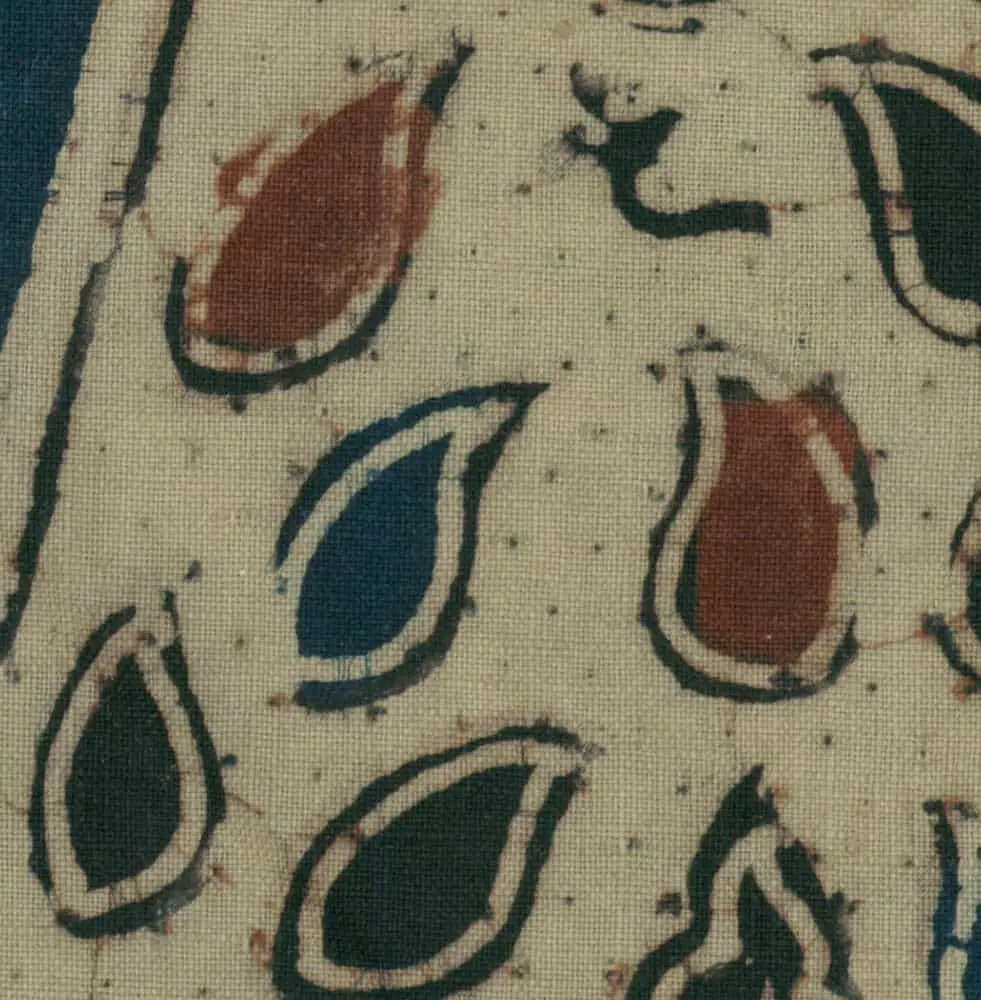
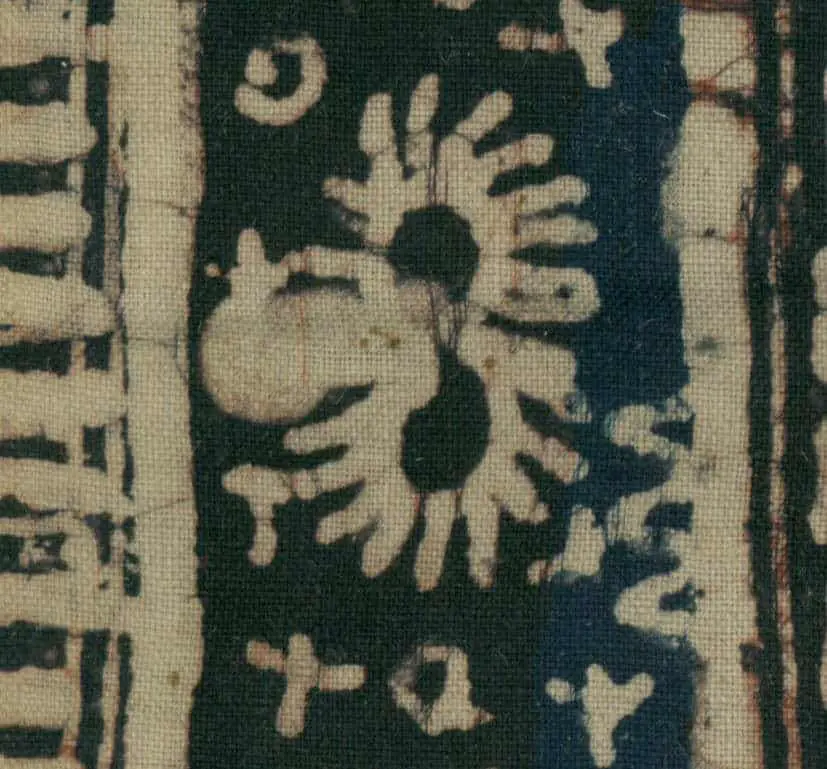
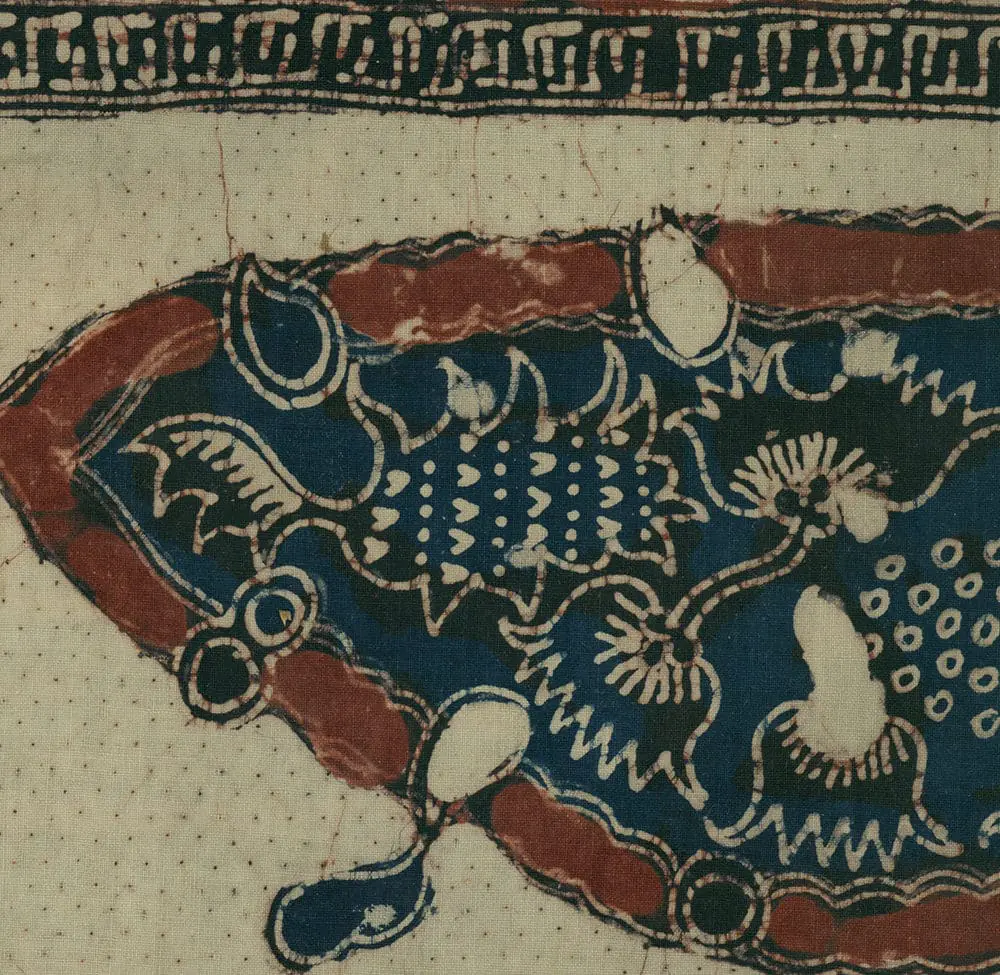
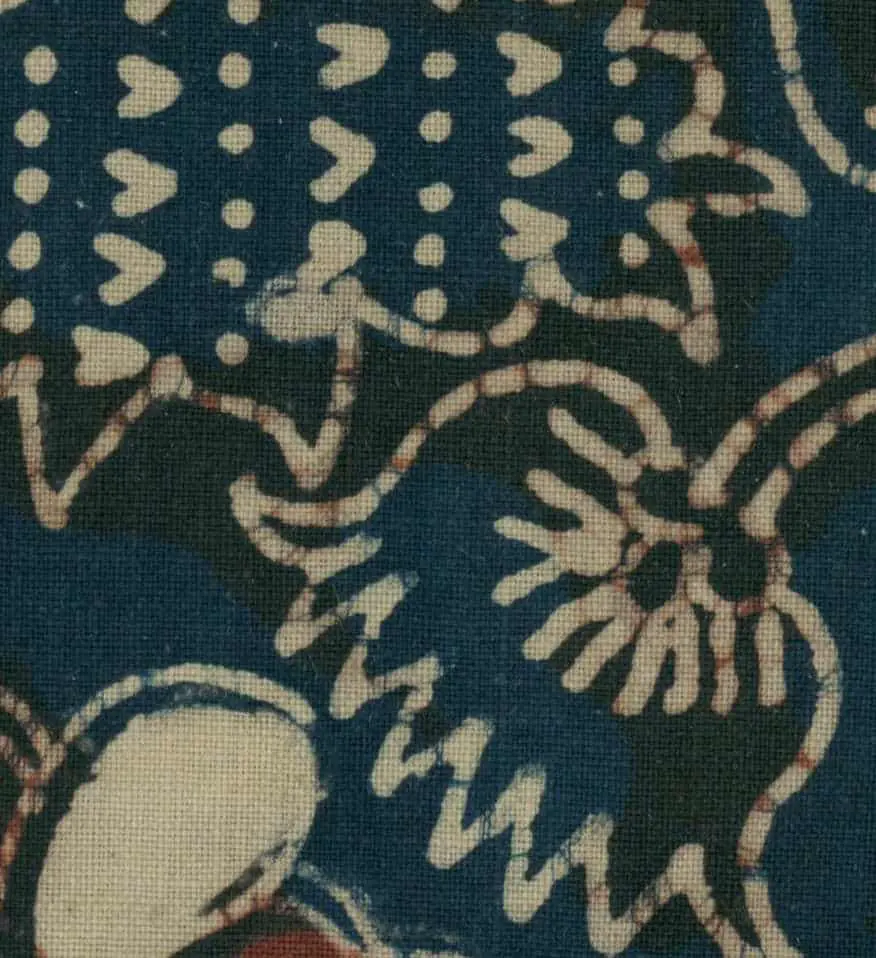
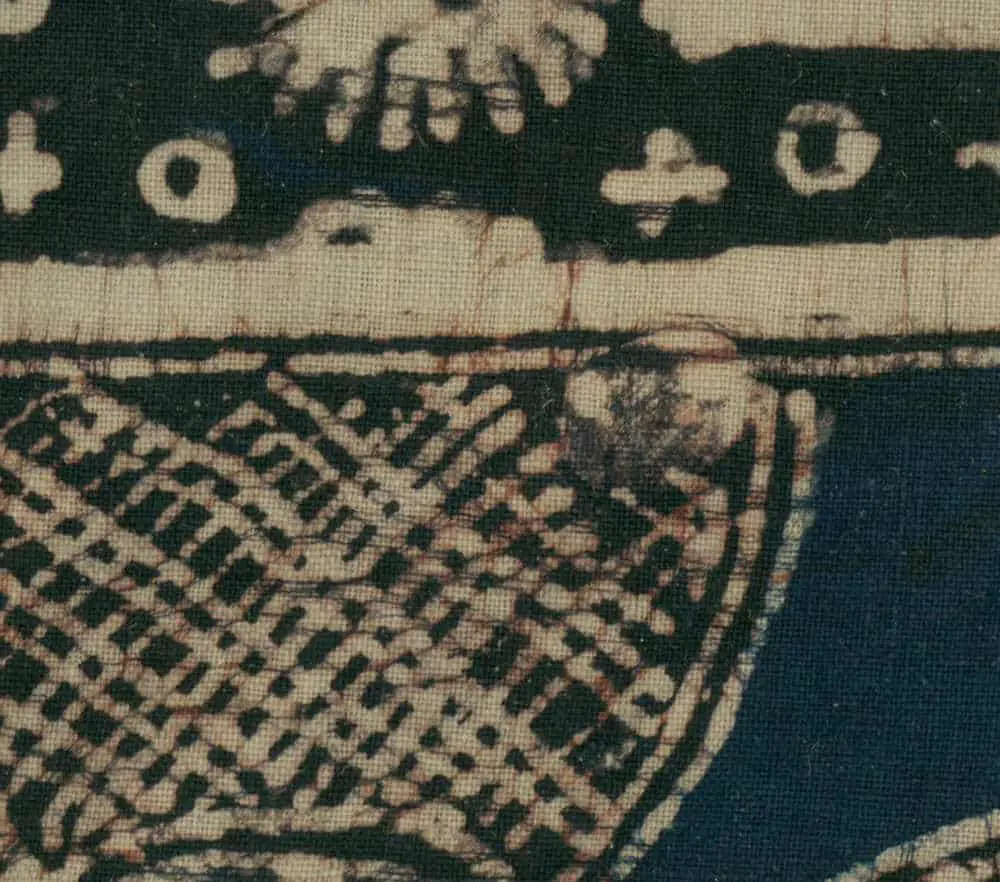
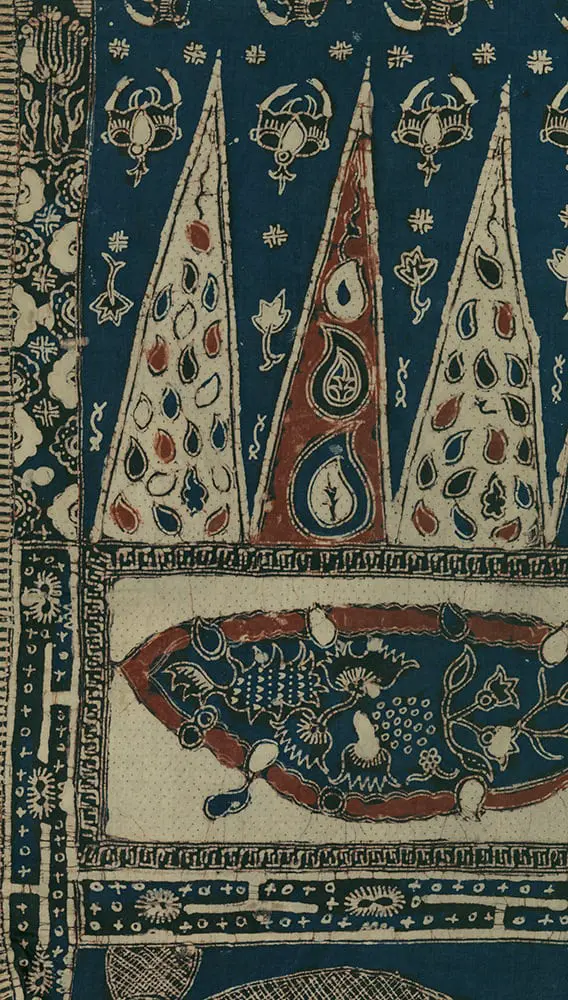

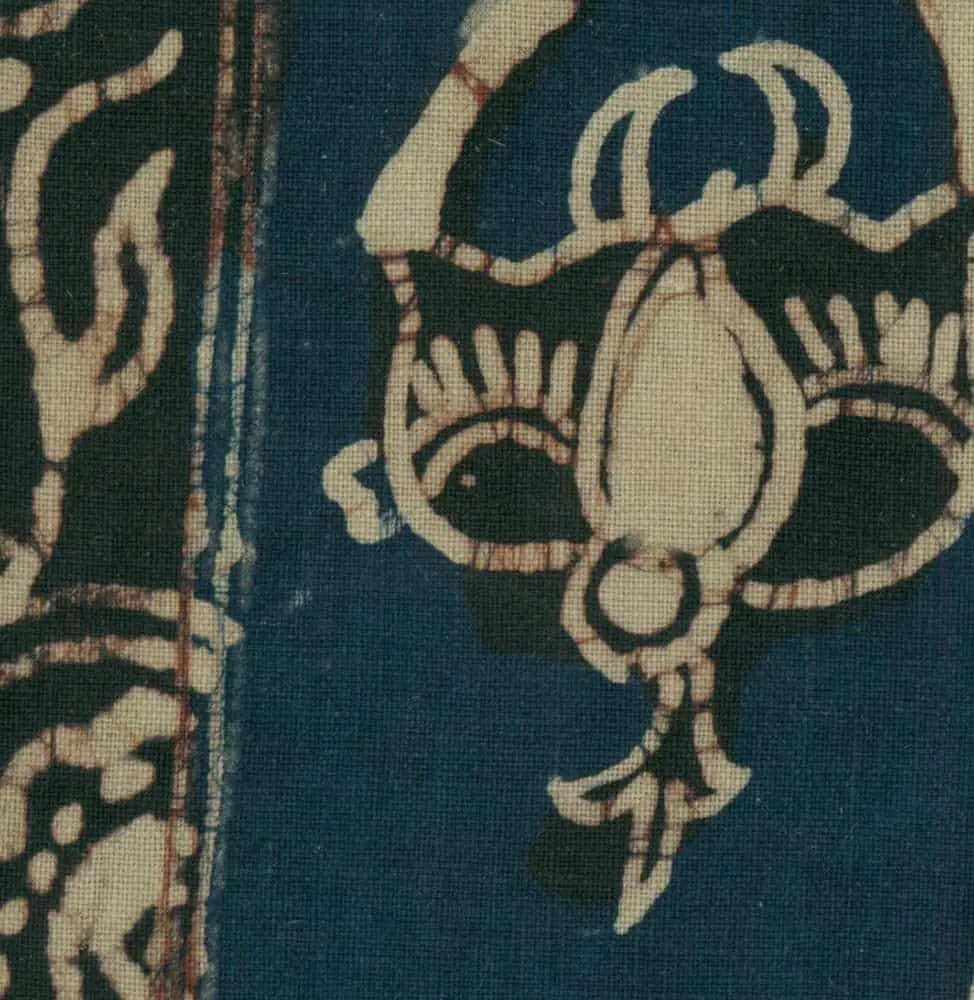
This exceptional cotton sarong, dating from the late 19th century (1875–1900), originates from the northern coast of Java, Indonesia. It features an intricate star and tumpal (triangular) design, characteristic of the coastal Pesisir style, which often integrated diverse cultural influences from Chinese, Indian, and European traders. The kepala (head) of the sarong is defined by rows of opposed triangles, a pan-Southeast Asian motif symbolizing life energy, fertility, and the sacred mountain, Meru.
The textile possesses a distinguished provenance as part of a museum de-accession from the Montclair Art Museum of New Jersey. It was a centerpiece of the 1932 exhibition "Javanese Batiks: Collection of Paul E. Vernon," a renowned collector who also displayed his works at the Brooklyn Museum in 1928. The historical significance is further bolstered by the Vernon family's legacy; while a portion was held in Montclair, the Metropolitan Museum of Art (MET) acquired thirteen 19th-century Javanese batiks from the estate of Mrs. Paul E. Vernon in 1958. The sarong remains in very good condition and still retains original hand-sewn exhibition hanging tabs on the reverse.

Payment Options: We primarily accept PayPal for all transactions. Credit and debit cards are not accepted. If you prefer to pay by personal check instead of PayPal, please note this preference in the "Additional comments" field when placing your order.Ordering Process
To receive your PayPal invoice, simply fill out the form.
Shipping Details: We ship all orders to the address associated with your PayPal payment. Please ensure your PayPal shipping address is current and accurate.A phone number is required during checkout, as our shipping carrier may need to contact you regarding delivery questions.Shipping RatesUnited States and Canada: $20International destinations (air mail): $40
