Copyright © 2026 Yorke Antique Textiles
.avif)

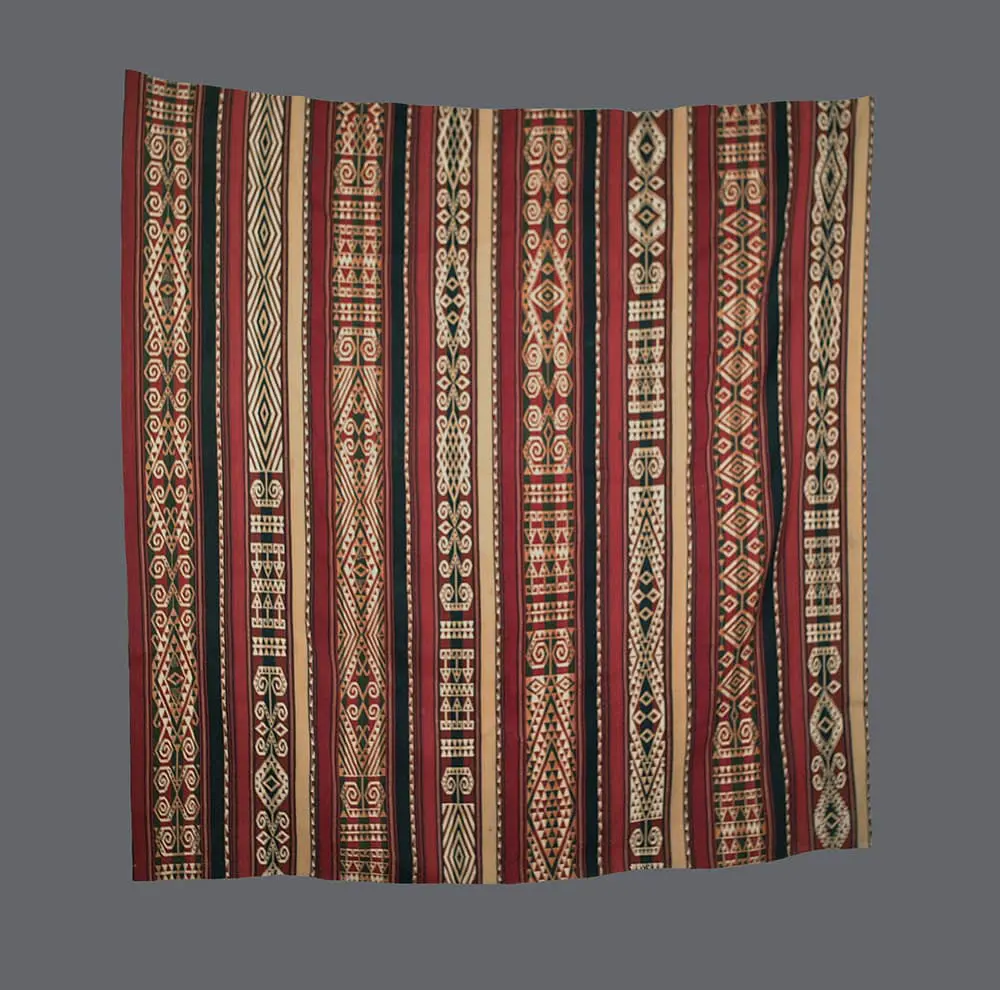
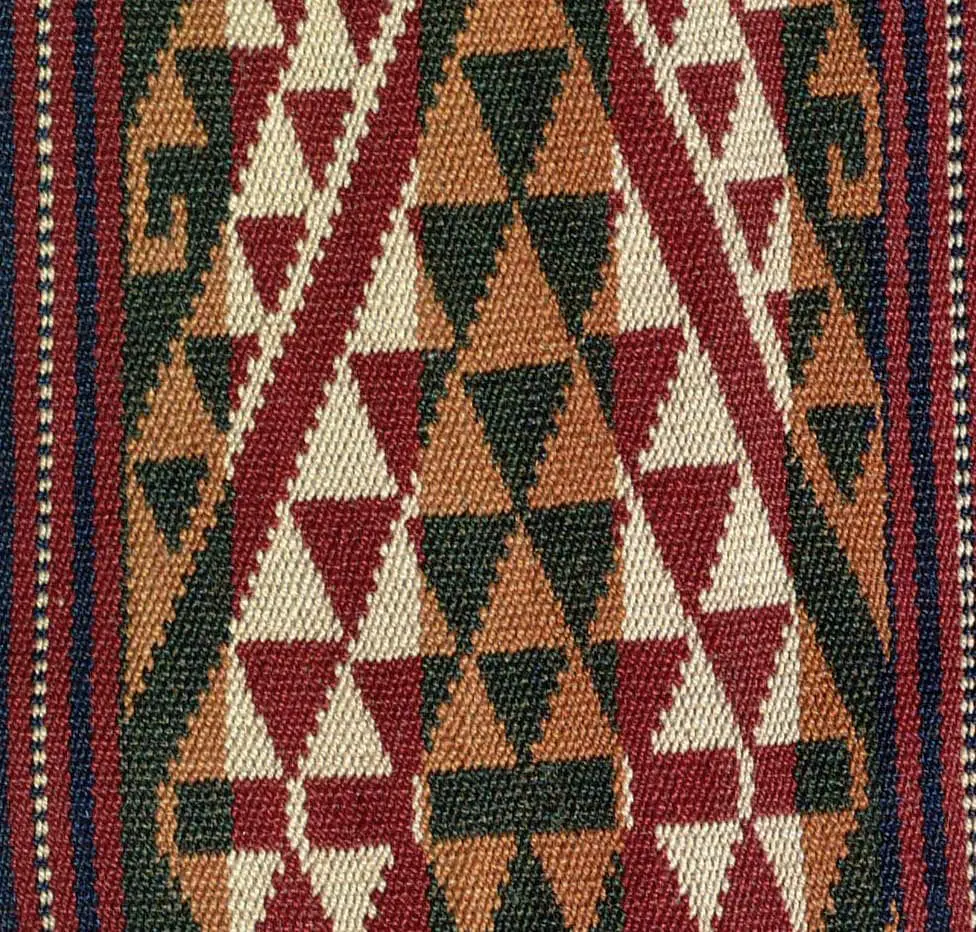
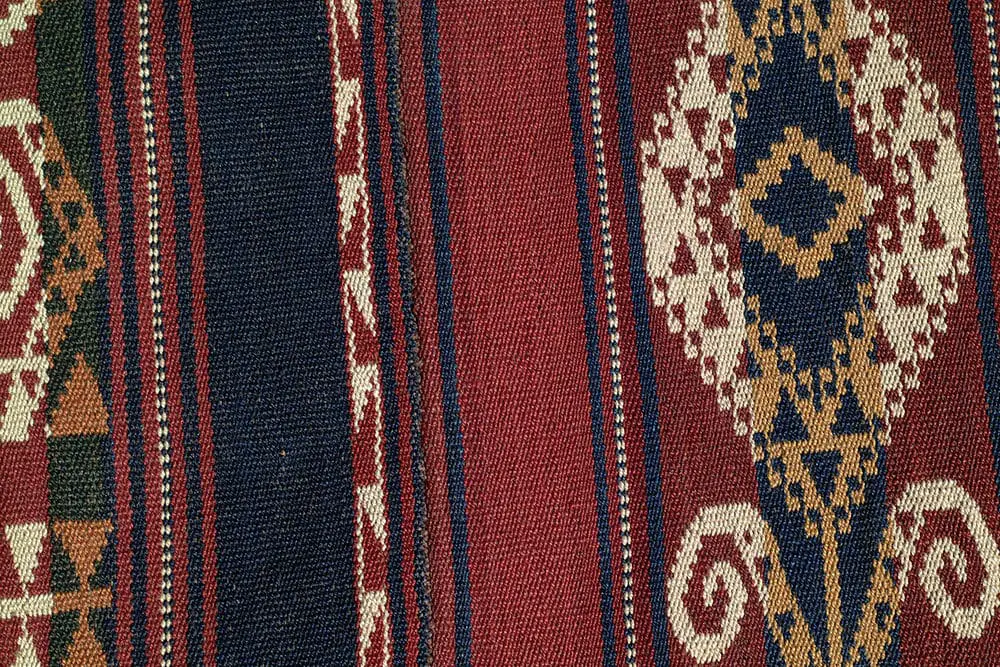
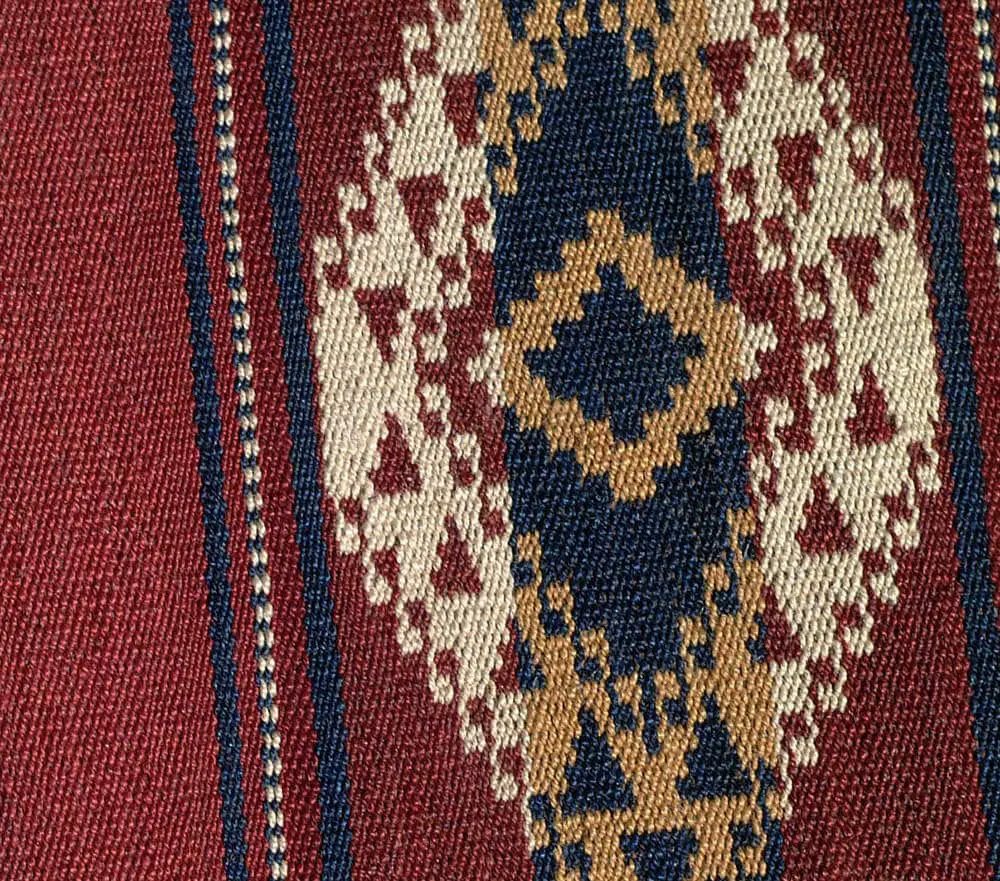
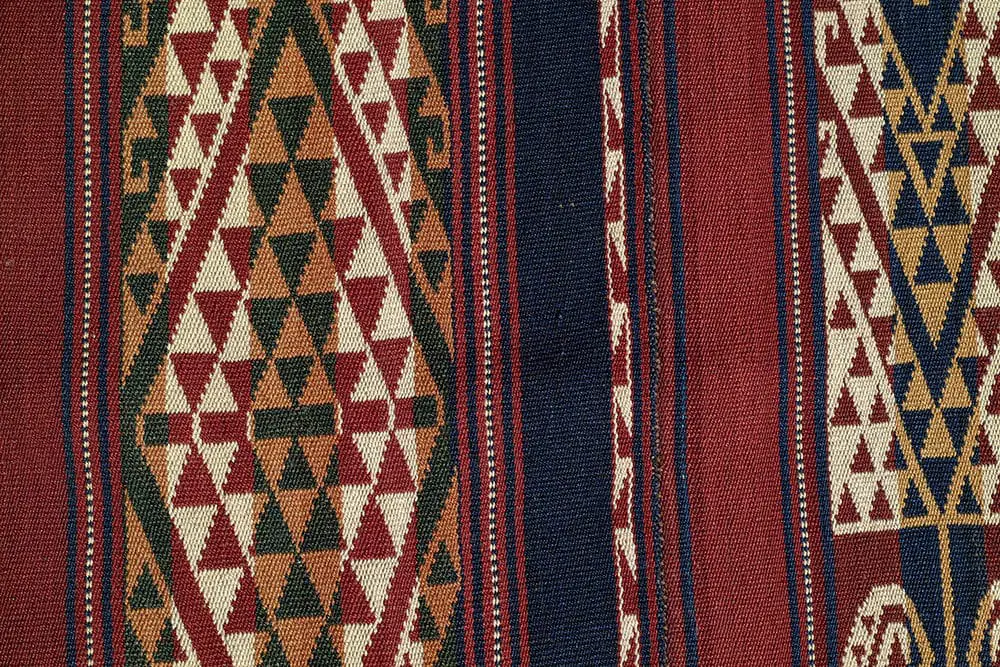
This boldly patterned jajim, originating from Uzbekistan during the second half of the 19th century (1850–1900), is a quintessential example of Central Asian flat-weave textile production. Measuring 72 inches by 72 inches (183 cm x 183 cm), the textile adheres strictly to traditional assembly methods. It was originally woven as a single, exceptionally long narrow length of cloth, which was then meticulously cut into six equal sections and stitched together along the selvedges to create this large, square format.
The design is a sophisticated arrangement of vertical stripes in a rich palette of terracotta red, forest green, deep indigo, and cream. Each band is filled with rhythmic, geometric motifs, including interlocking diamonds, serrated chevrons, and stylized "S" or "ram's horn" hooks that are common in nomadic iconography. The complex repetition of these symbols creates a sense of infinite movement across the surface. This piece remains in excellent condition.

Payment Options: We primarily accept PayPal for all transactions. Credit and debit cards are not accepted. If you prefer to pay by personal check instead of PayPal, please note this preference in the "Additional comments" field when placing your order.Ordering Process
To receive your PayPal invoice, simply fill out the form.
Shipping Details: We ship all orders to the address associated with your PayPal payment. Please ensure your PayPal shipping address is current and accurate.A phone number is required during checkout, as our shipping carrier may need to contact you regarding delivery questions.Shipping RatesUnited States and Canada: $20International destinations (air mail): $40
