Copyright © 2026 Yorke Antique Textiles
.avif)

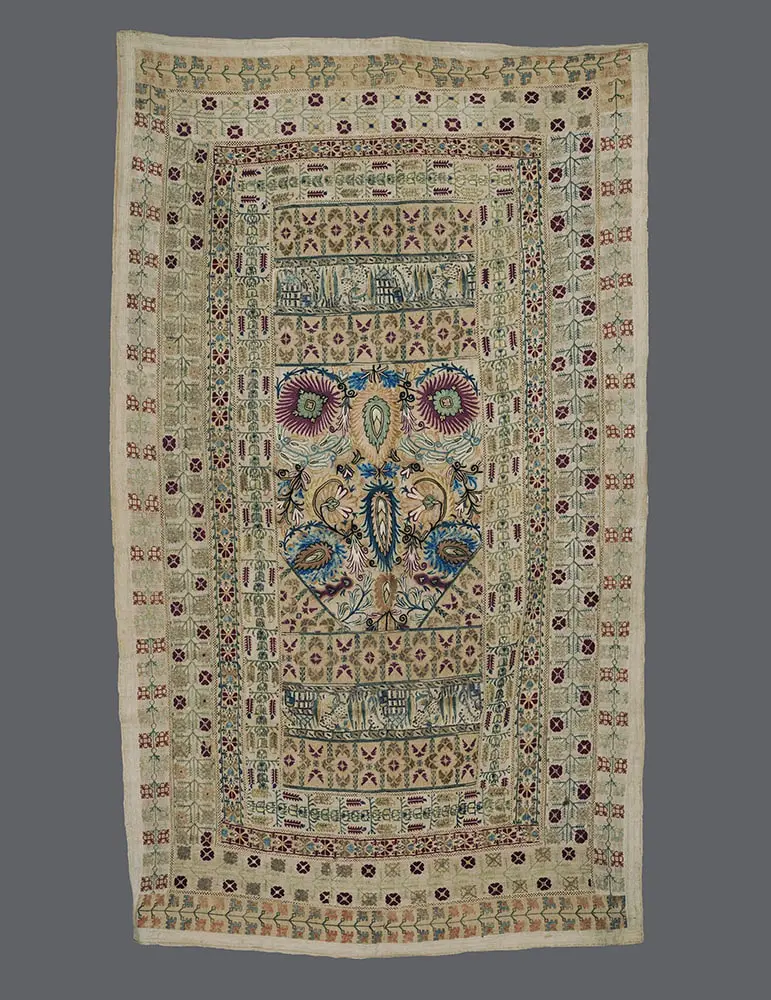
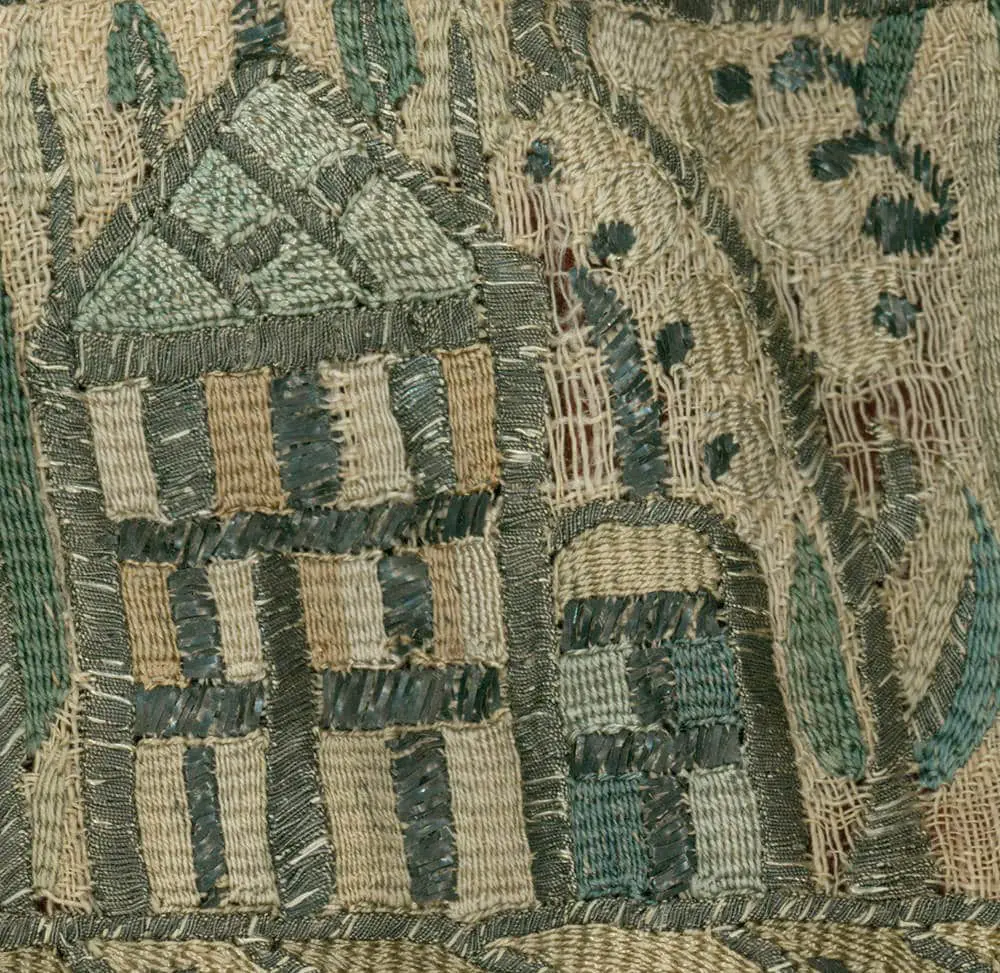
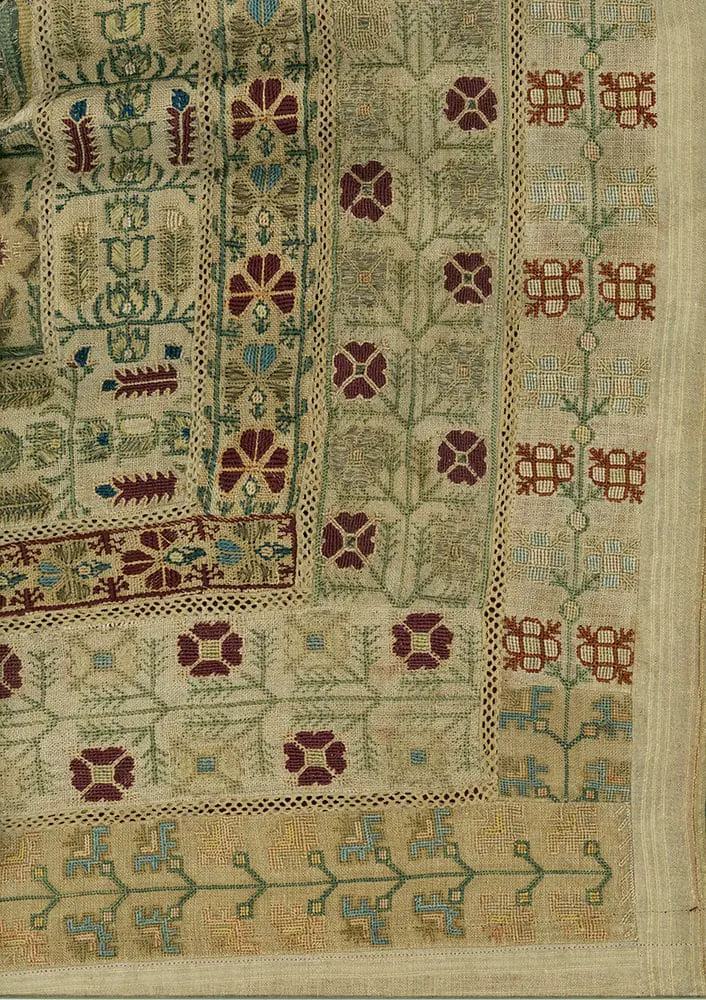
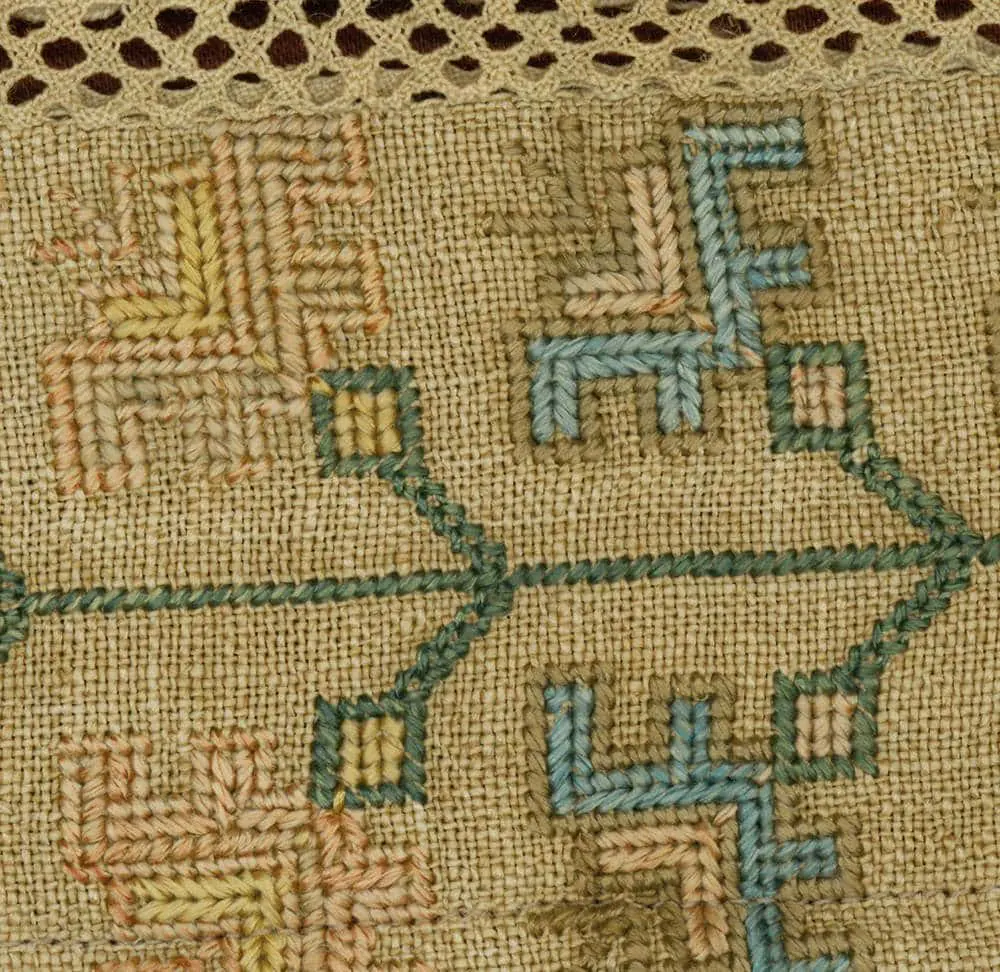
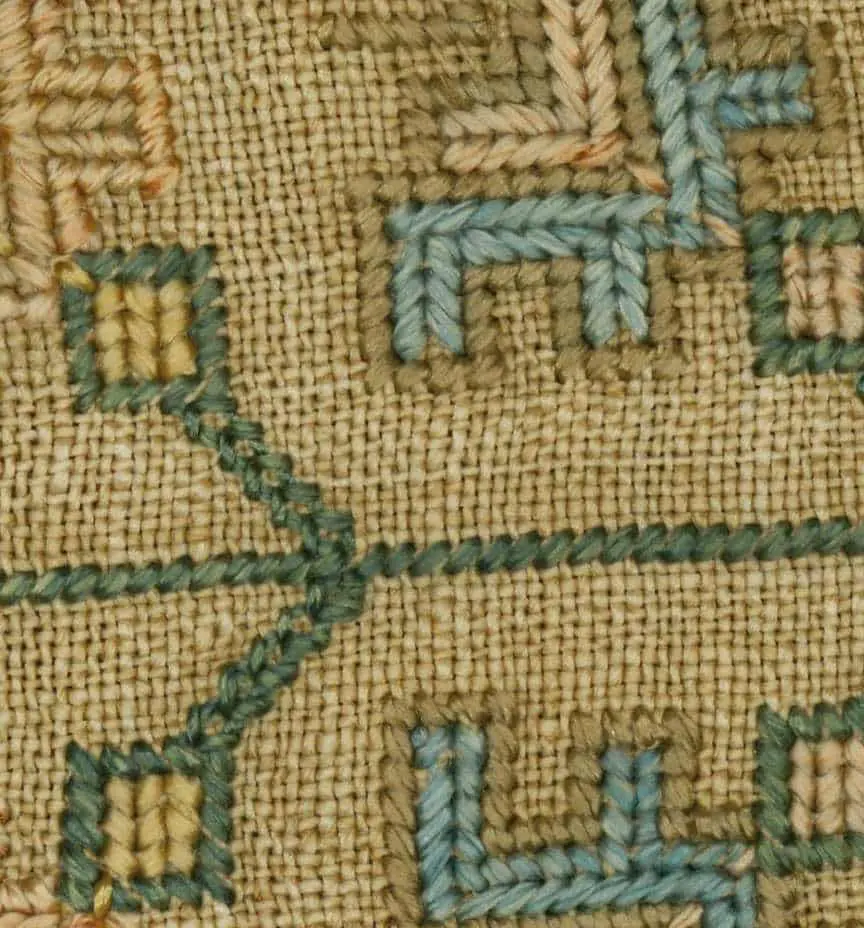
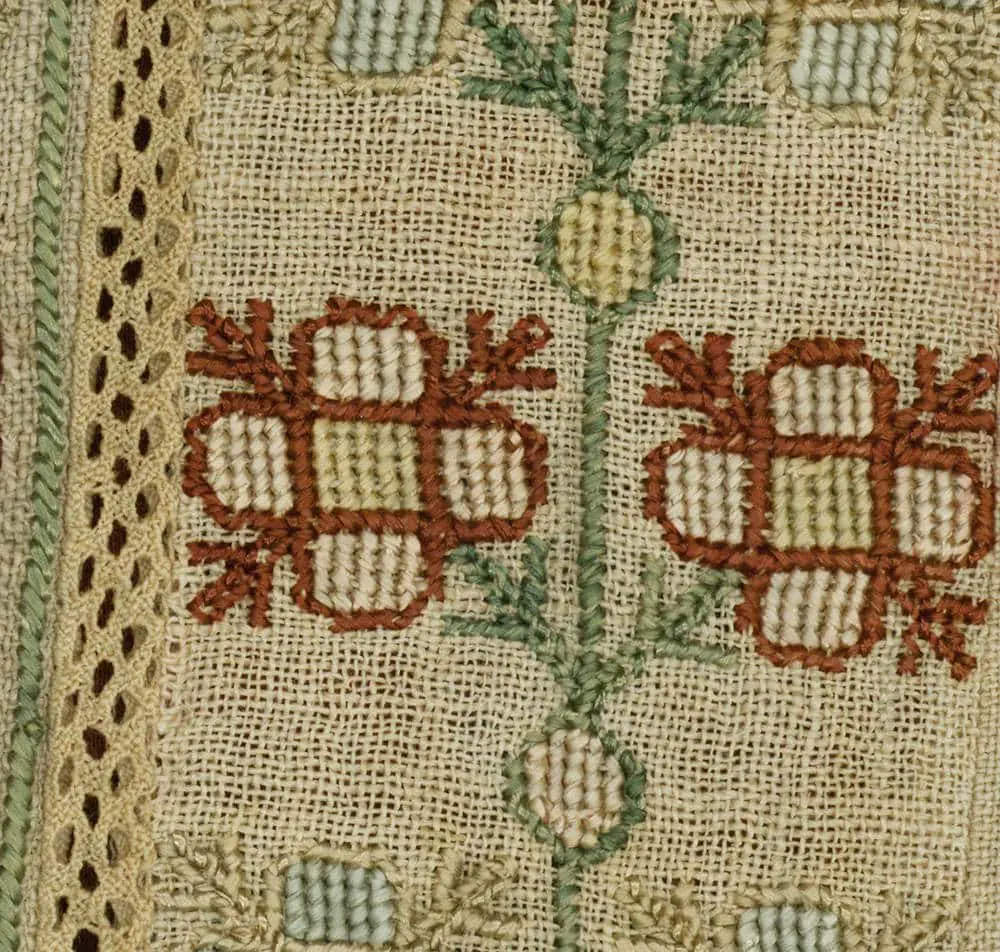
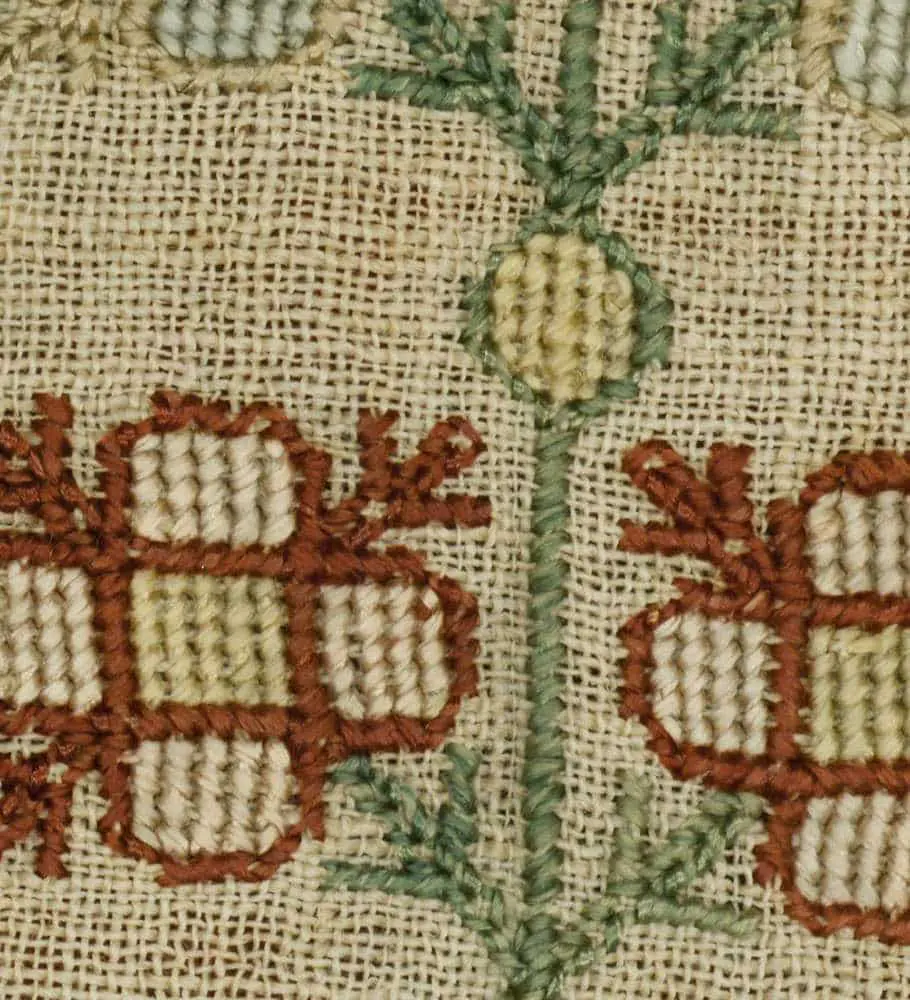

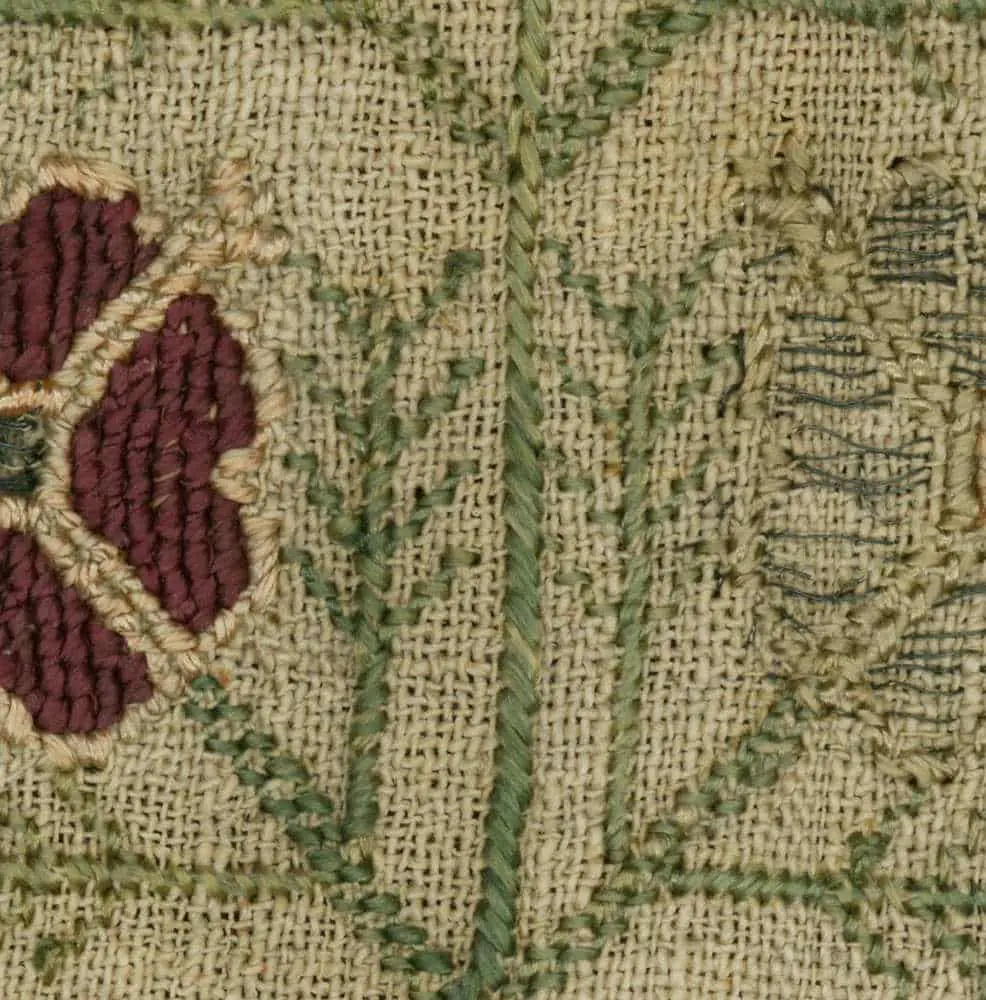
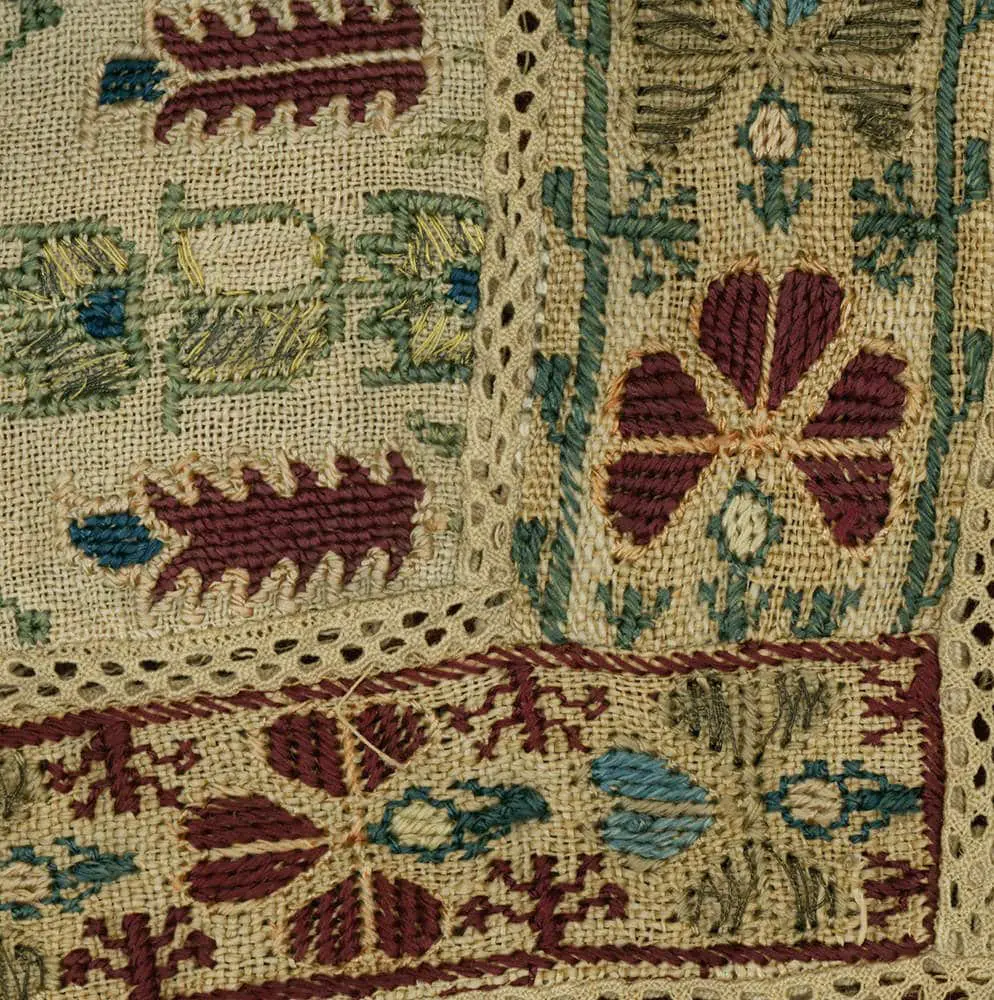

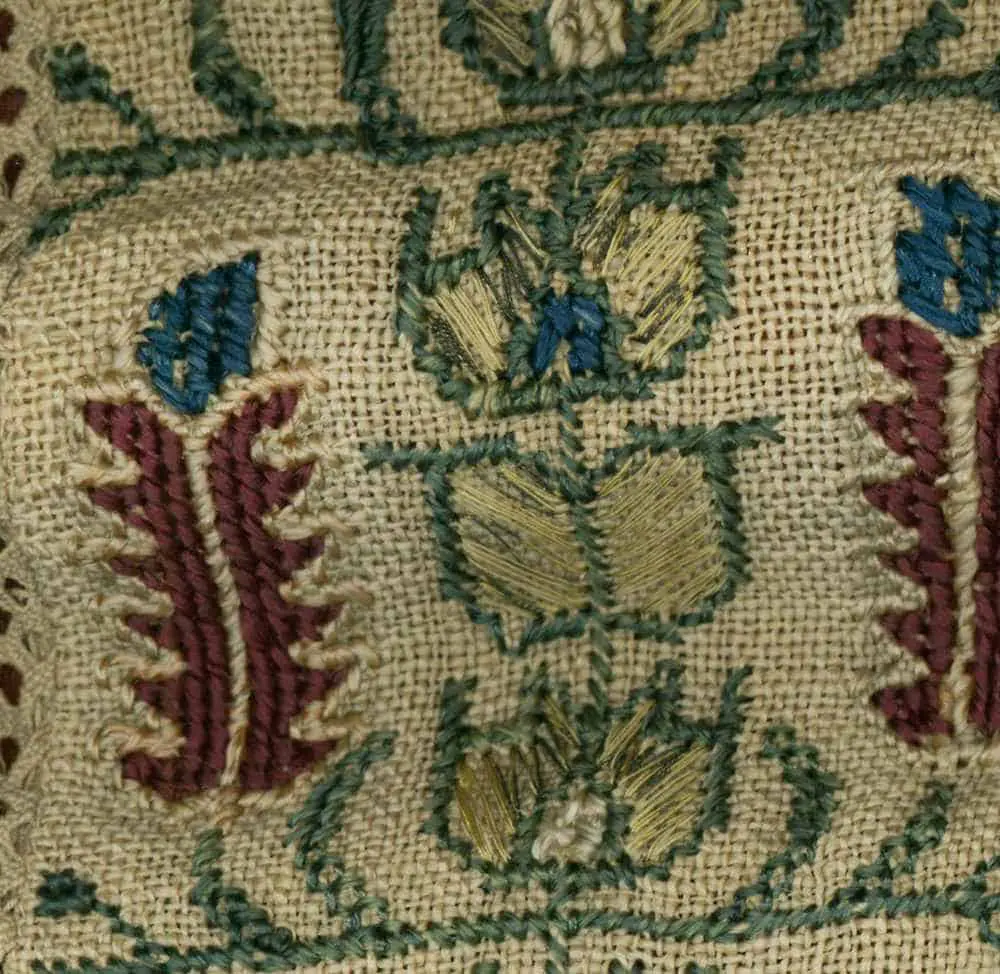


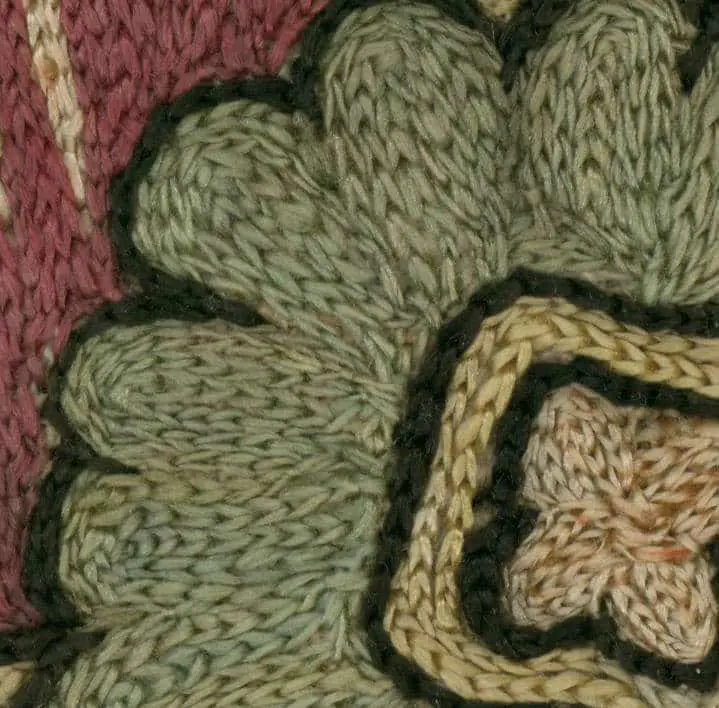

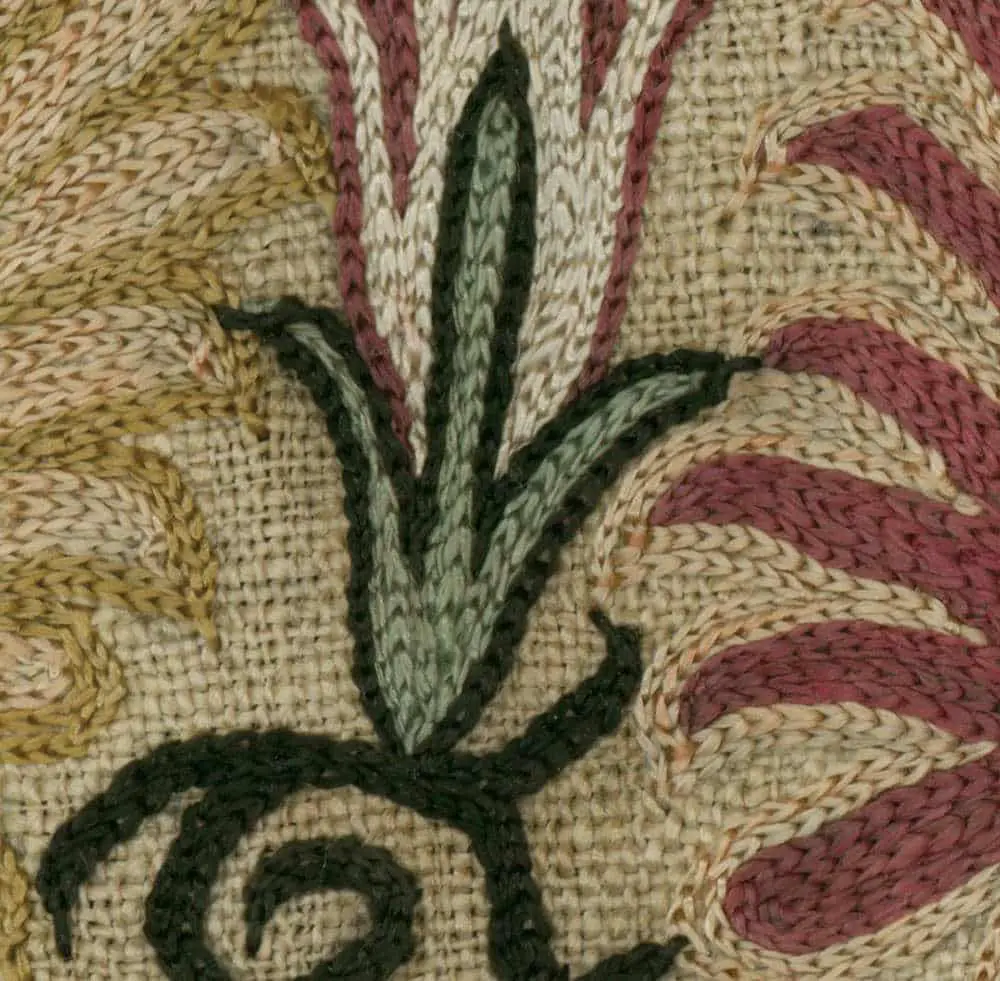

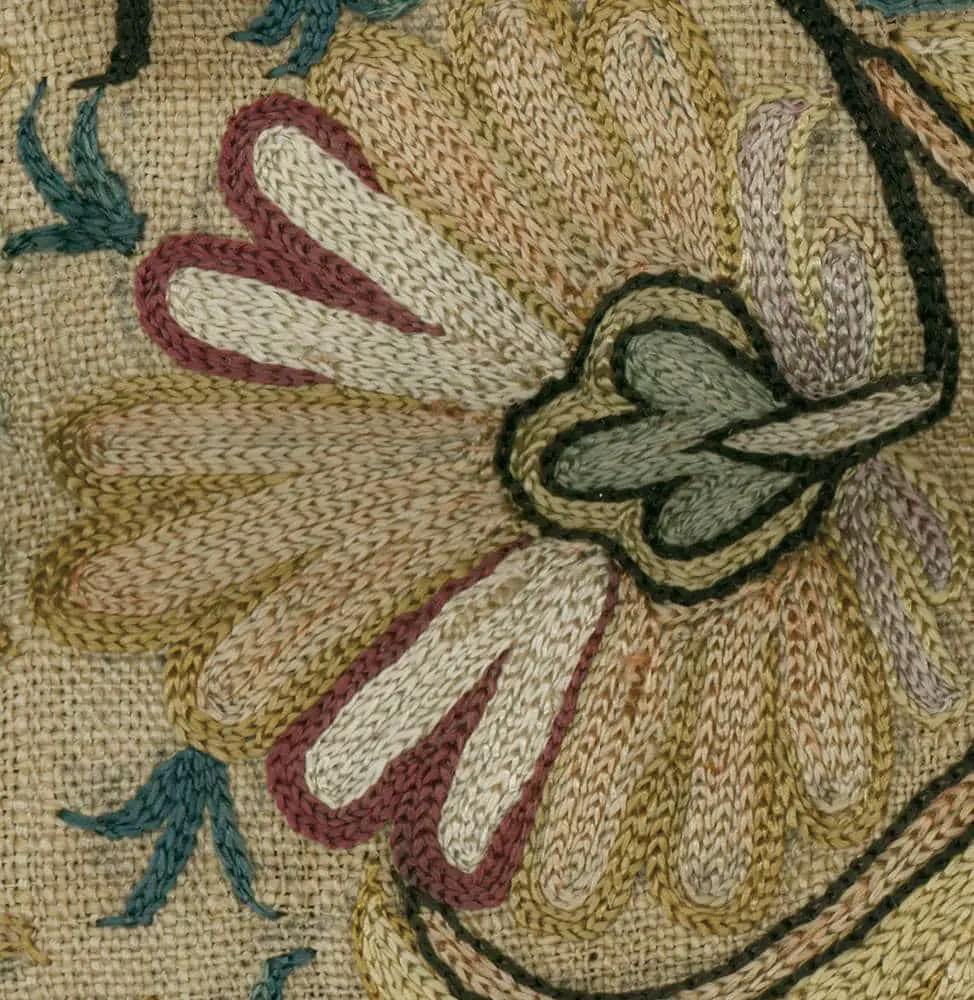

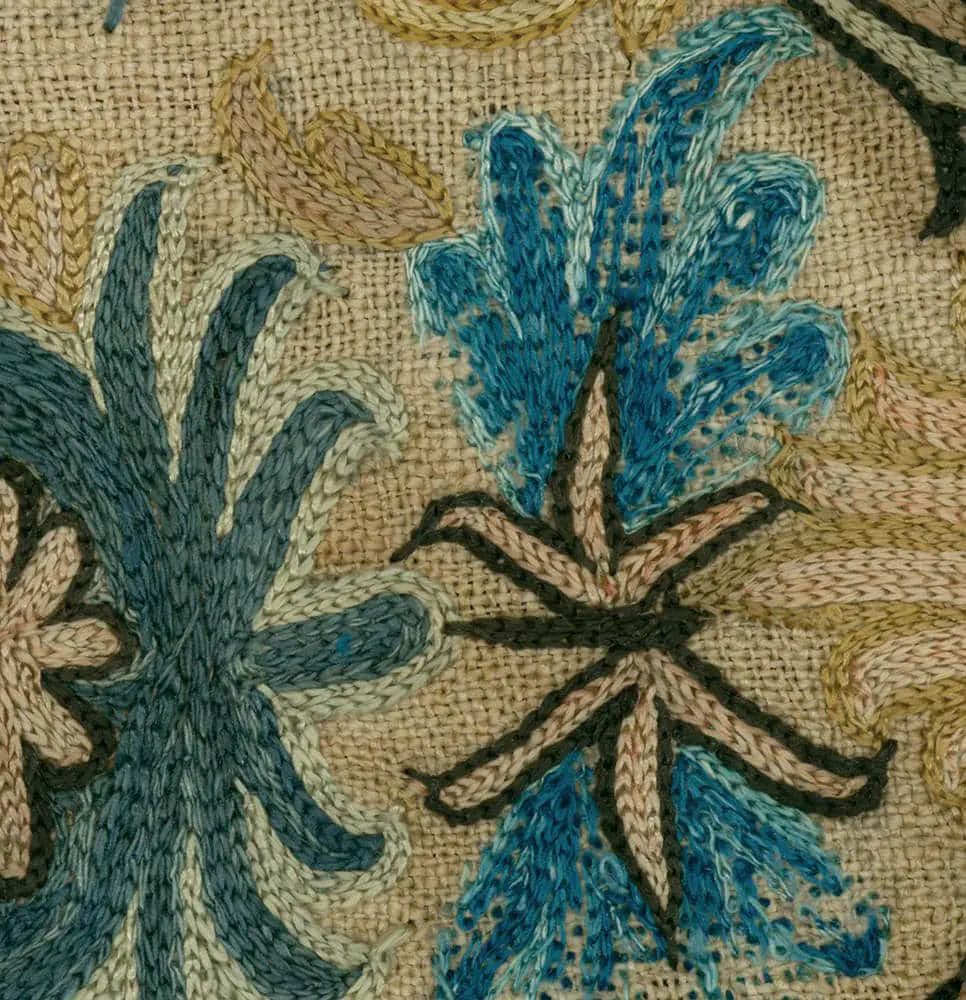
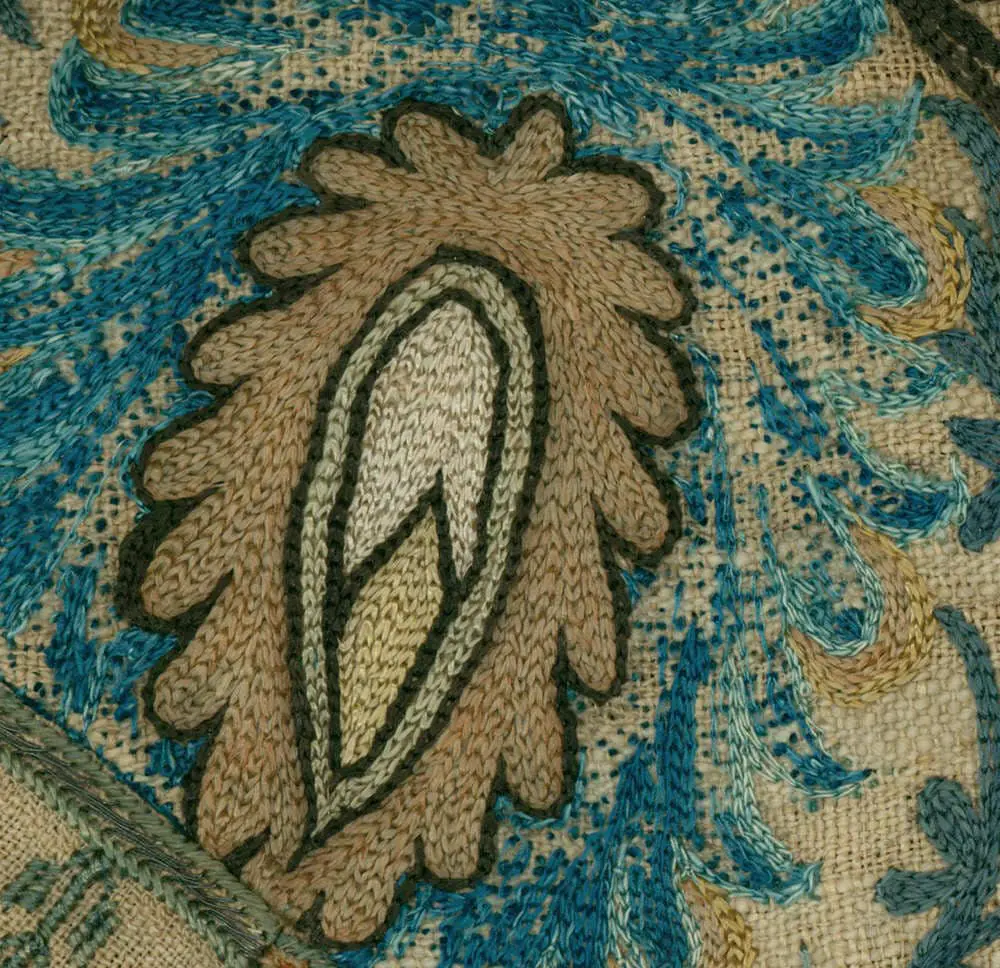
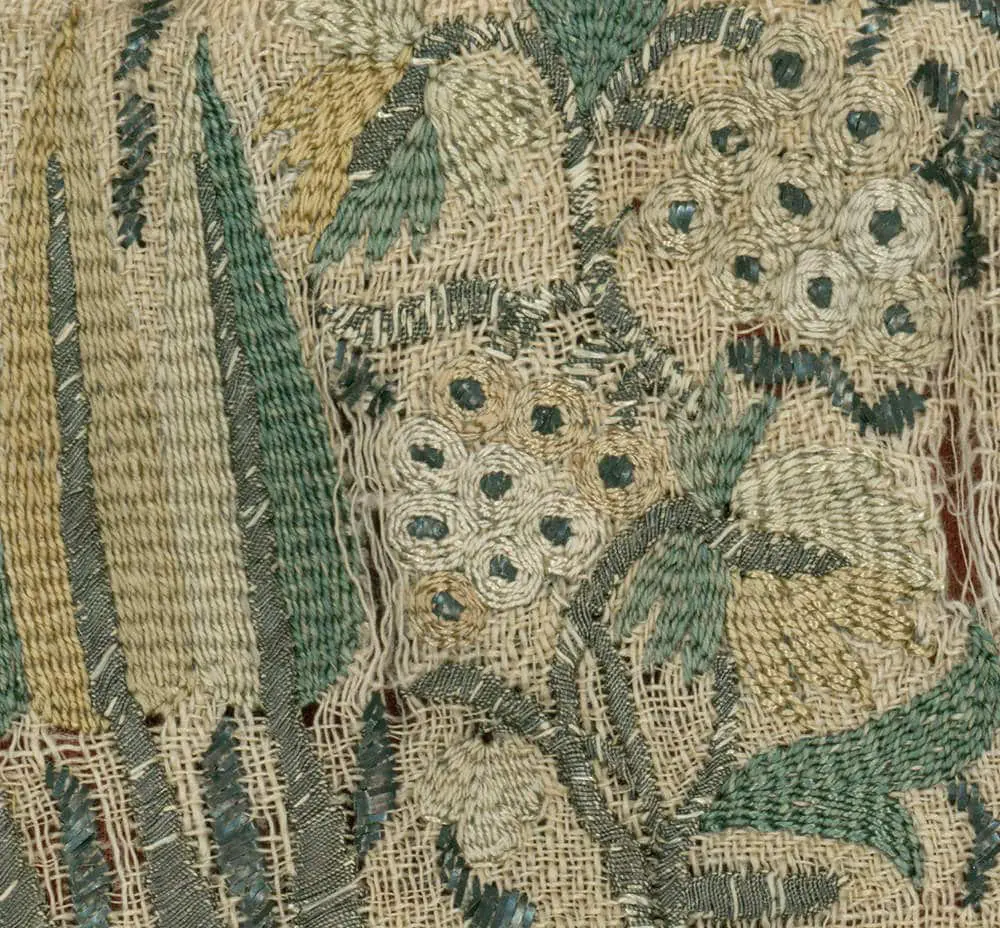
This monumental Greek embroidery, originating from the Greek Islands or Epirus during the second half of the 18th to the first half of the 19th century (1750–1850), represents a peak of Mediterranean textile artistry. Measuring 40 inches by 66 inches (102 cm x 168 cm), the work is composed of multiple handwoven linen panels joined by intricate, handworked decorative needlelace—a construction method characteristic of the region. The textile is backed with a fine old red twill cloth and features added channels for hanging.
The central composition is a vibrant display of stylized botanical motifs, featuring large flowers rendered in various hues of silk chain-stitch. Surrounding this core is a complex series of geometric and floral pattern bands. These borders showcase a masterclass in technical diversity, utilizing silk and metal threads across an array of specialized stitches: musabak, satin, slanted satin, counted chain stitch blocks, and double running stitch. While the piece is in very good condition, it bears the marks of history with minor stitch losses, particularly in the two large blue central flowers, and small worn spots along one panel and the edges.

Payment Options: We primarily accept PayPal for all transactions. Credit and debit cards are not accepted. If you prefer to pay by personal check instead of PayPal, please note this preference in the "Additional comments" field when placing your order.Ordering Process
To receive your PayPal invoice, simply fill out the form.
Shipping Details: We ship all orders to the address associated with your PayPal payment. Please ensure your PayPal shipping address is current and accurate.A phone number is required during checkout, as our shipping carrier may need to contact you regarding delivery questions.Shipping RatesUnited States and Canada: $20International destinations (air mail): $40
