Copyright © 2026 Yorke Antique Textiles
.avif)


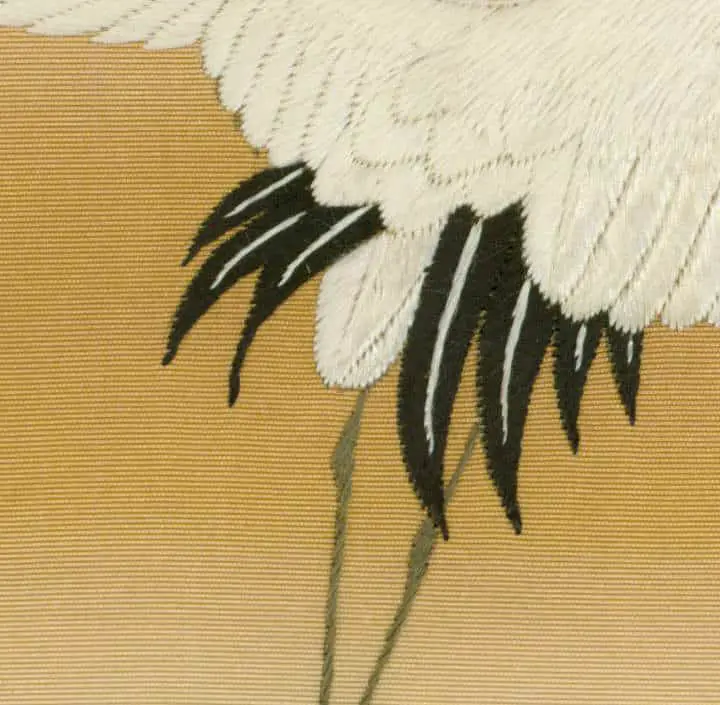

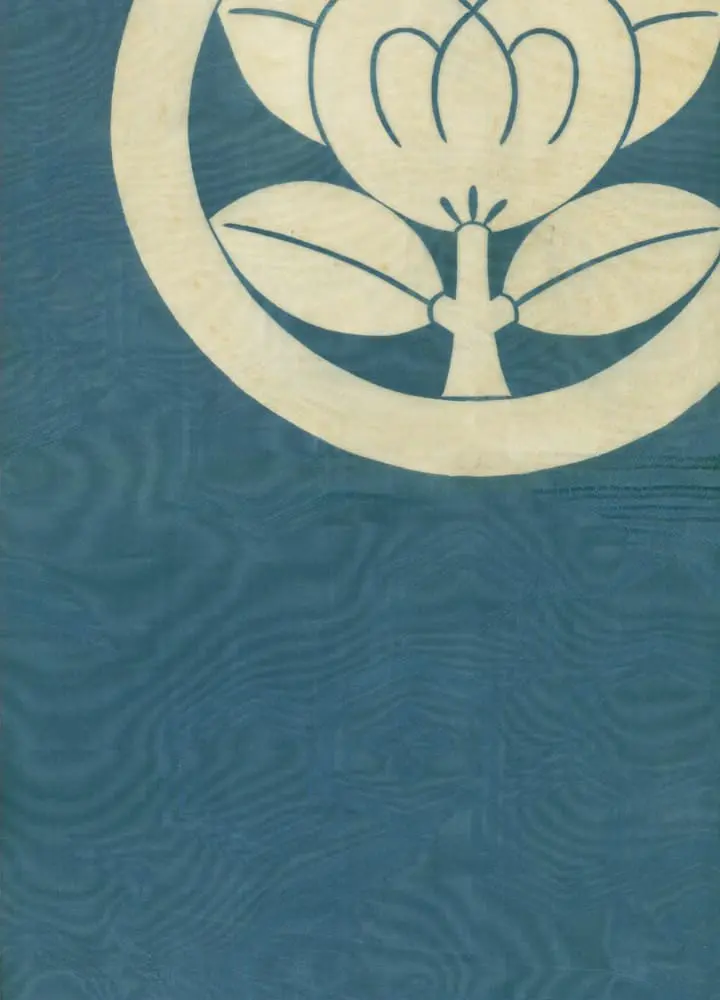
This masterful fukusa (gift-presenting cloth) from Japan dates to the late Meiji period (1900–1912). Measuring 26 inches by 31 inches (66 cm x 79 cm), the textile is crafted from luminous satin silk that features a dramatic golden-yellow gradient at the top, suggesting a dawn or sunset sky. The cloth is finished with traditional silk tassels at each corner.
The composition is a sophisticated blend of media, depicting a solitary white crane in flight over a turbulent sea and a craggy cliffside. The crane is meticulously hand-embroidered, while the expansive, rolling indigo waves and the rocky promontory are rendered through a combination of sumi-e (ink wash) drawing and pigmented ink brushing. Detailed embroidery highlights the sea foam and the resilient pine trees clinging to the cliff, creating a sense of physical texture. In Japanese culture, the pairing of the crane and pine represents longevity and good fortune. The piece remains in very good condition with only minor imperfections consistent with its age.
This artwork is featured on pages 122-125 of Ceremonial Textiles of Japan, 18th to 20th Centuries. This book, published by Yorke Antique Textiles, can be previewed or purchased on our website here.
The piece is also featured on page 88 of the autumn 2019 edition of HALI magazine.

Payment Options: We primarily accept PayPal for all transactions. Credit and debit cards are not accepted. If you prefer to pay by personal check instead of PayPal, please note this preference in the "Additional comments" field when placing your order.Ordering Process
To receive your PayPal invoice, simply fill out the form.
Shipping Details: We ship all orders to the address associated with your PayPal payment. Please ensure your PayPal shipping address is current and accurate.A phone number is required during checkout, as our shipping carrier may need to contact you regarding delivery questions.Shipping RatesUnited States and Canada: $20International destinations (air mail): $40
