Copyright © 2026 Yorke Antique Textiles
.avif)

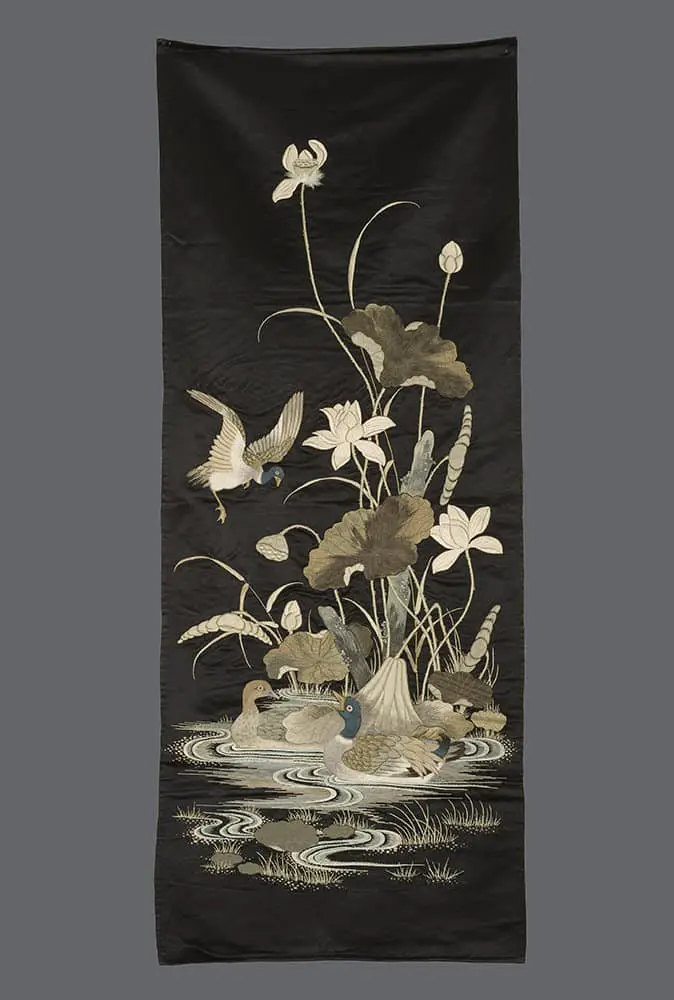
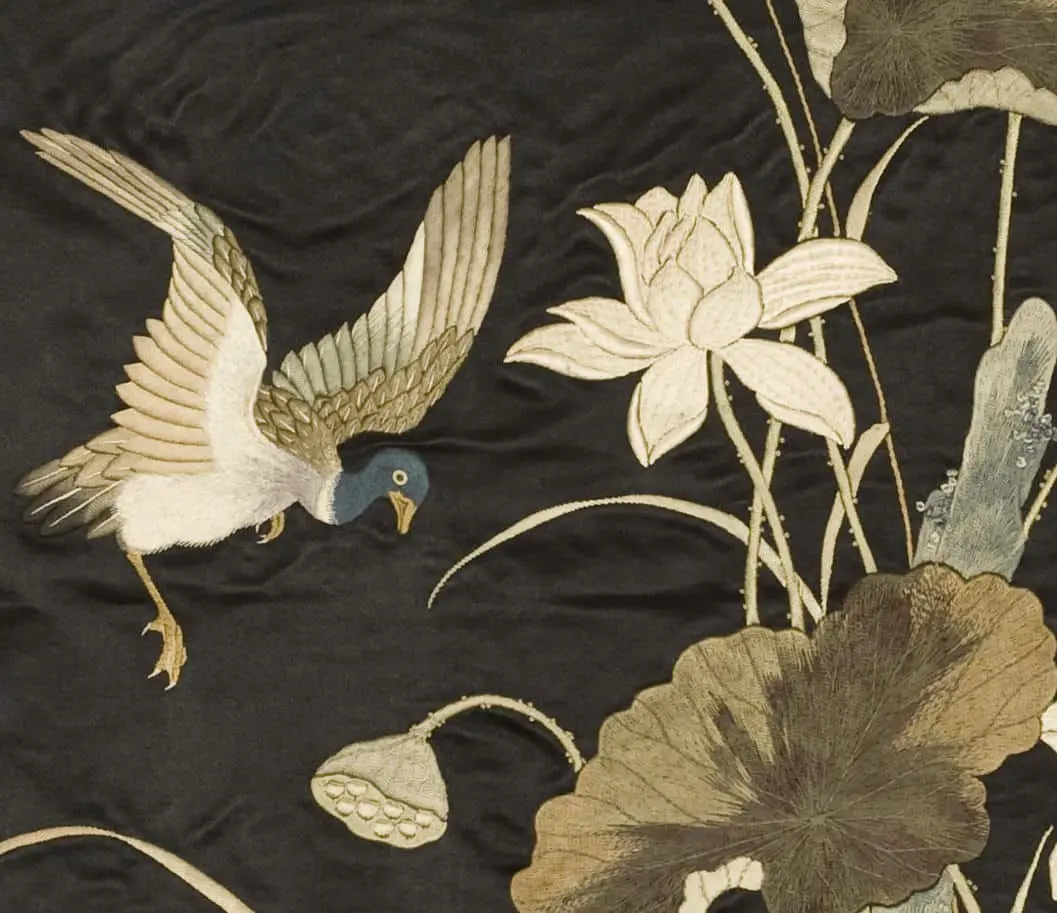
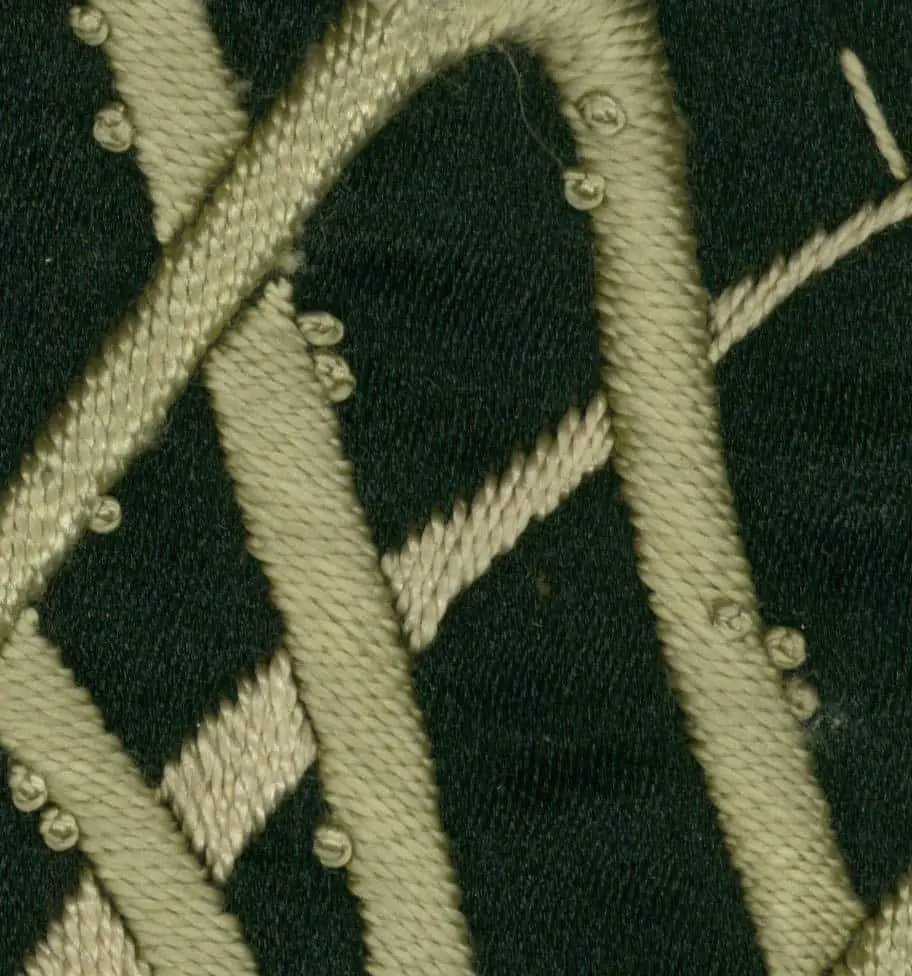
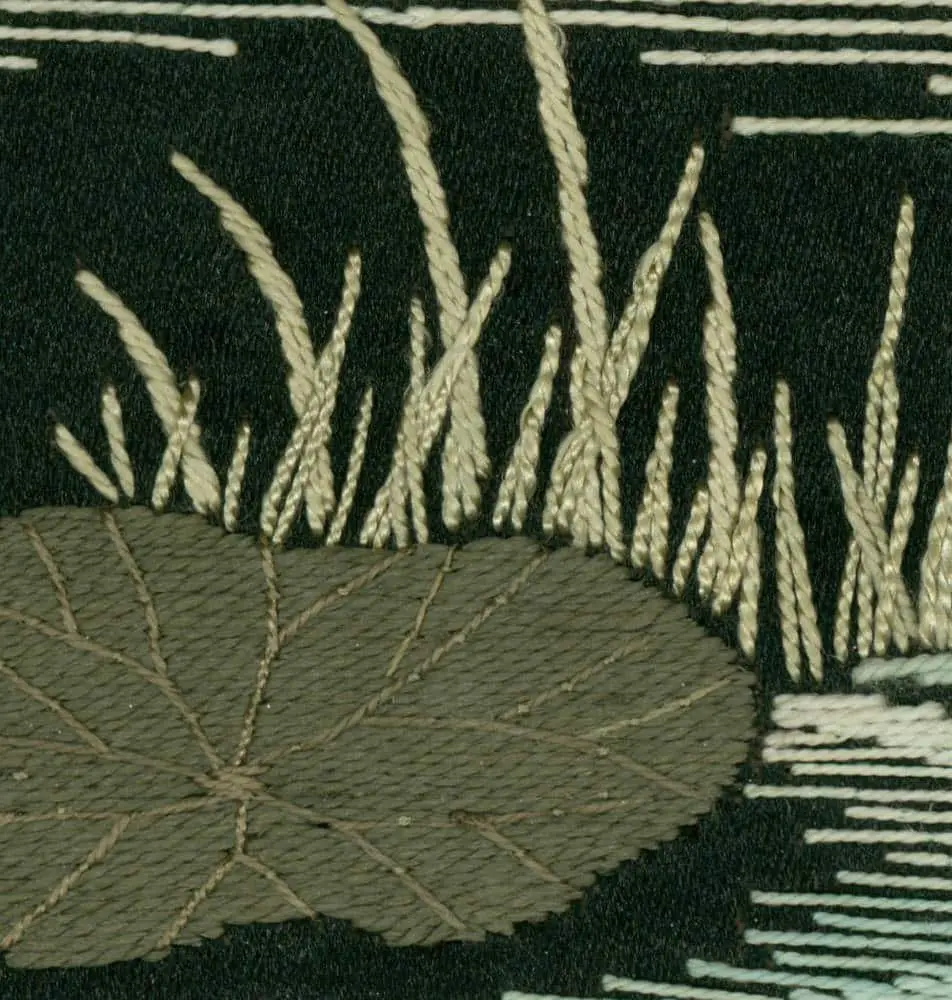
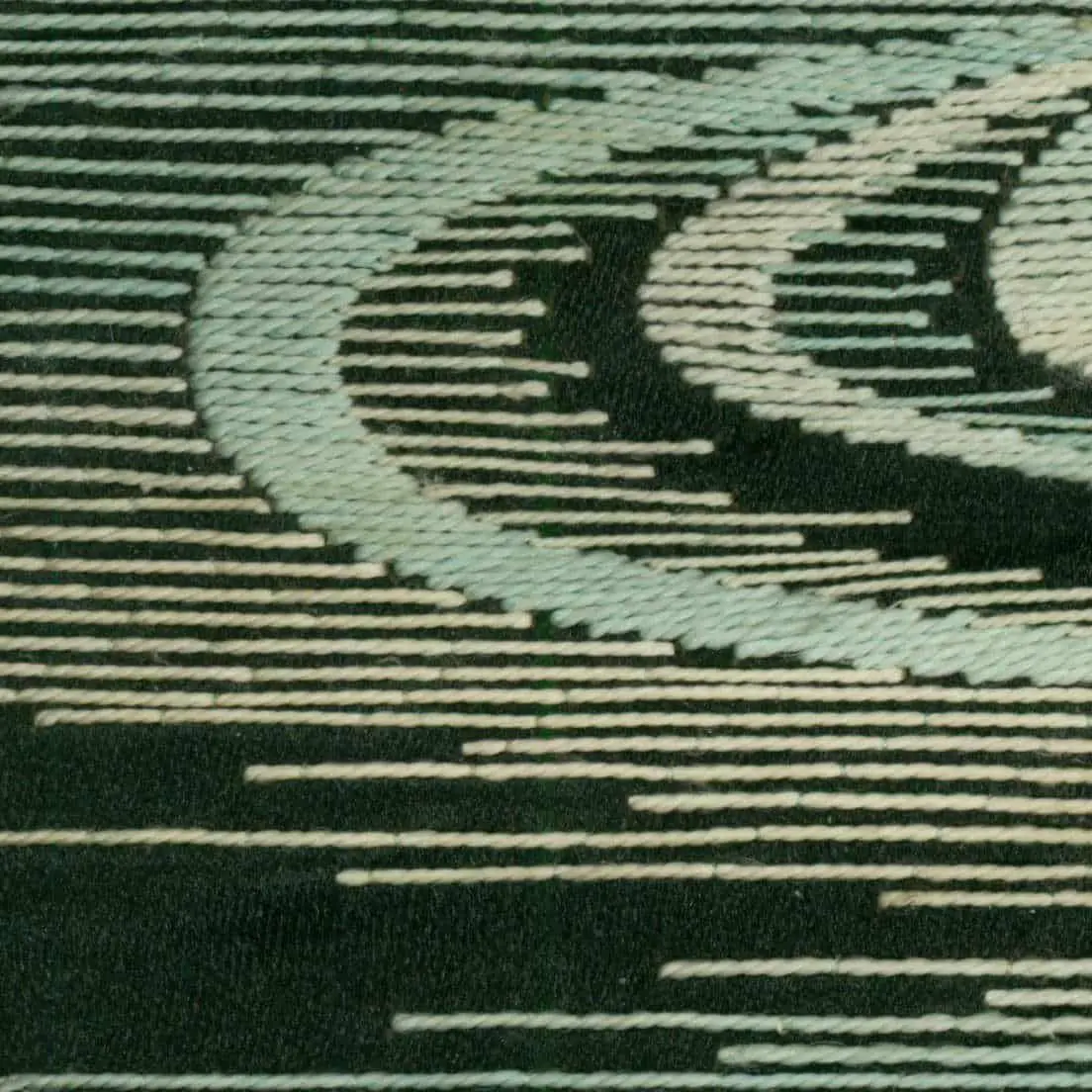
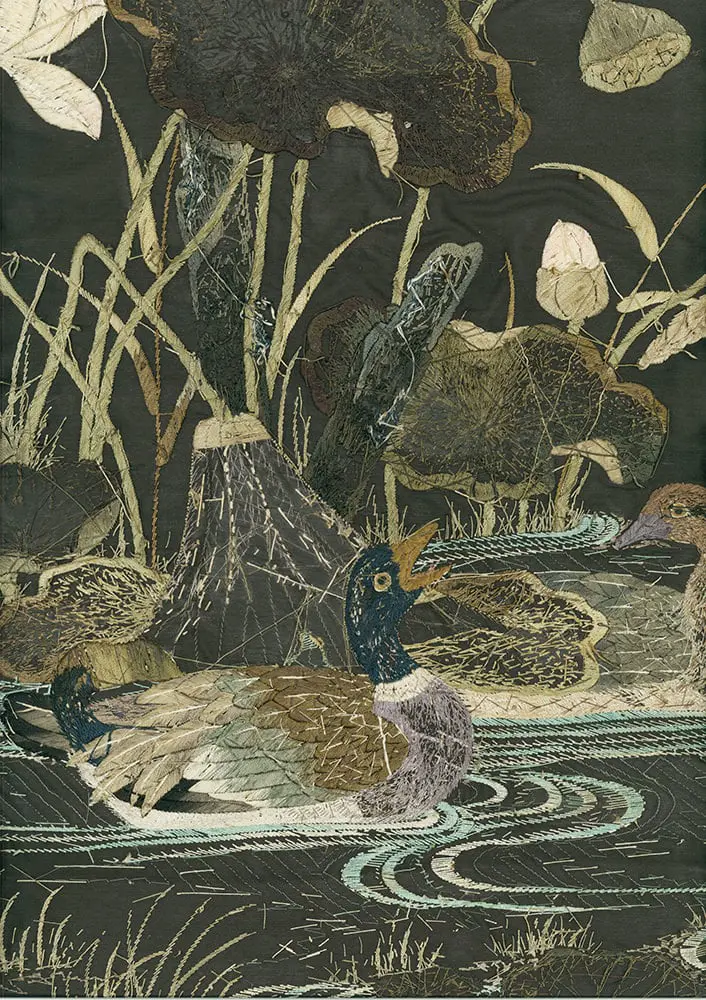
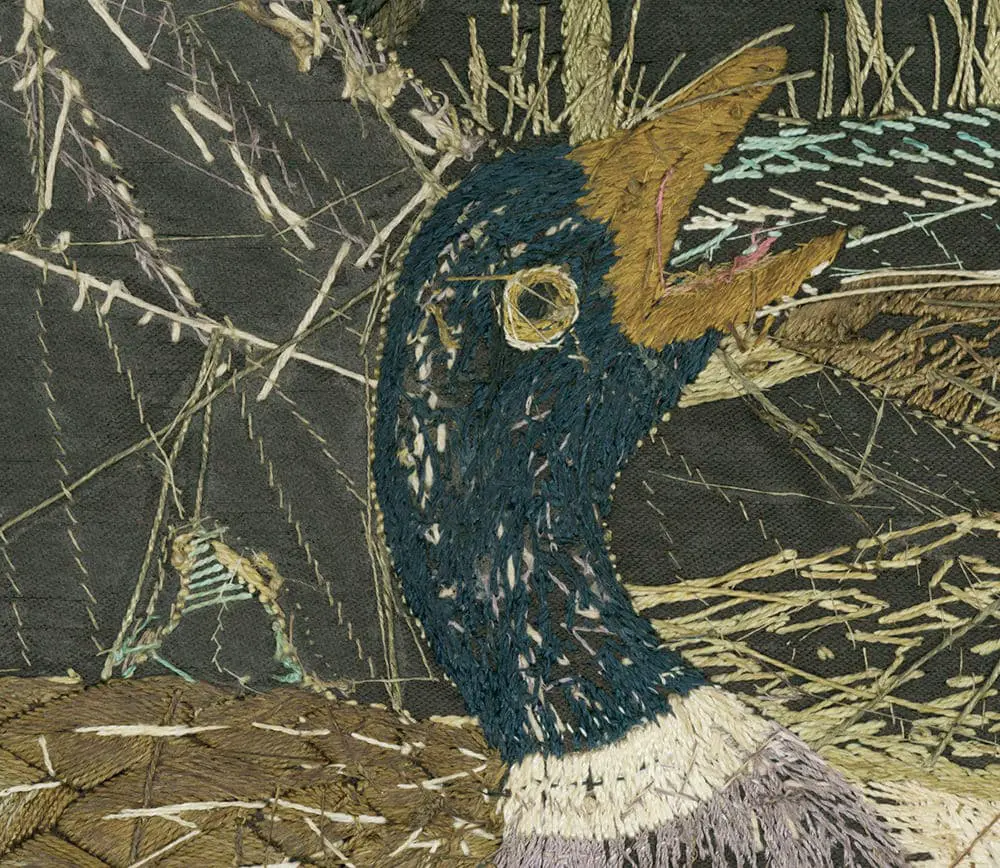
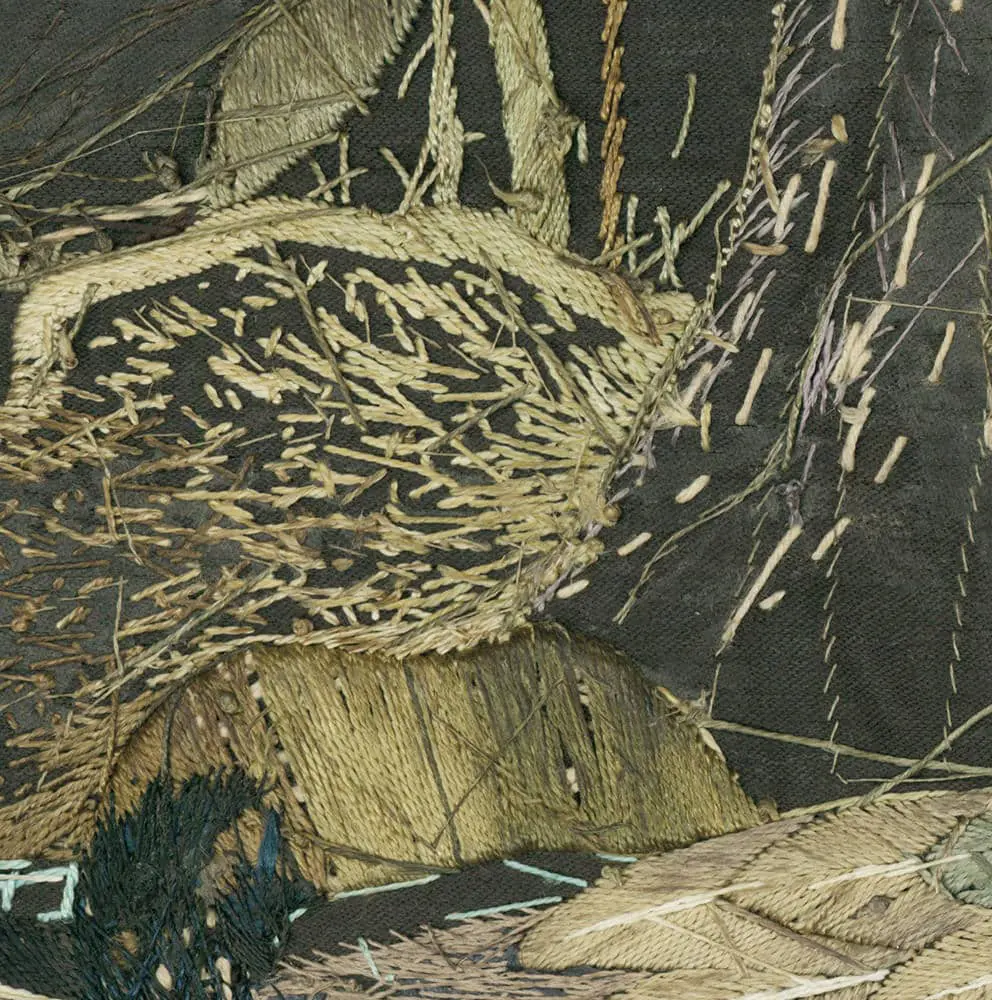
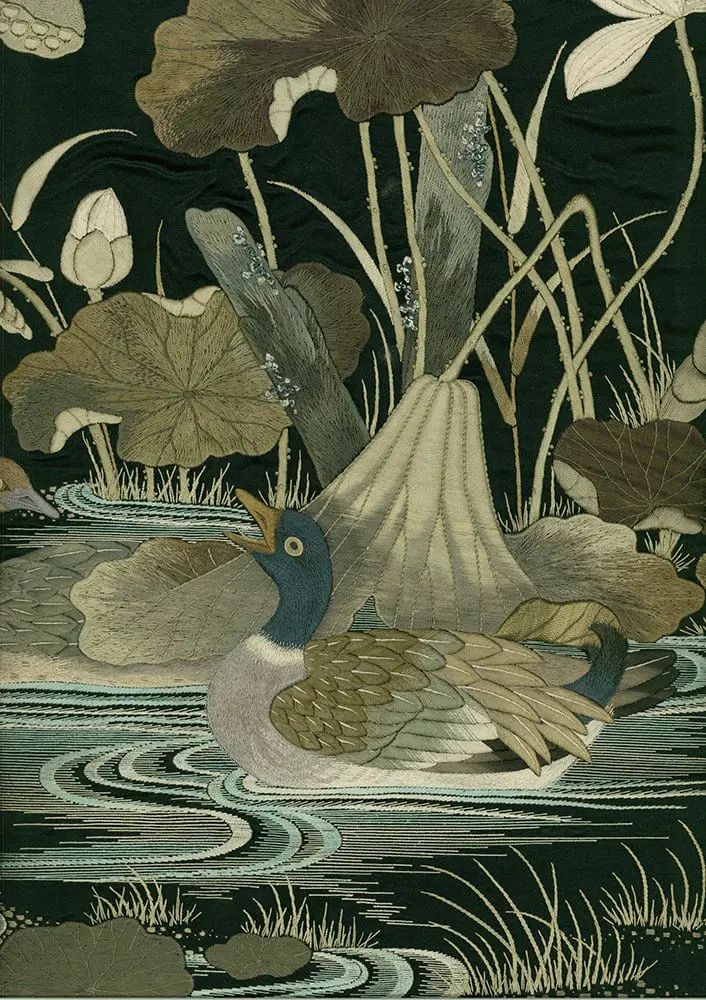
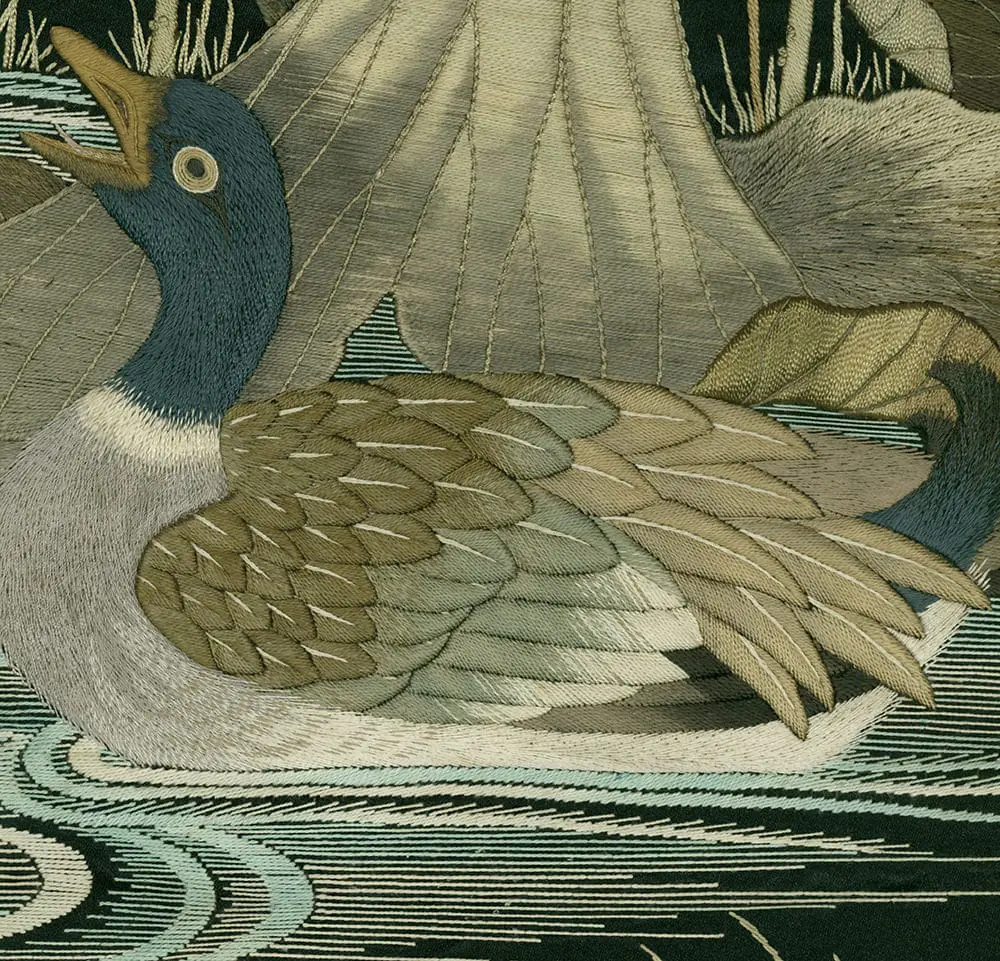
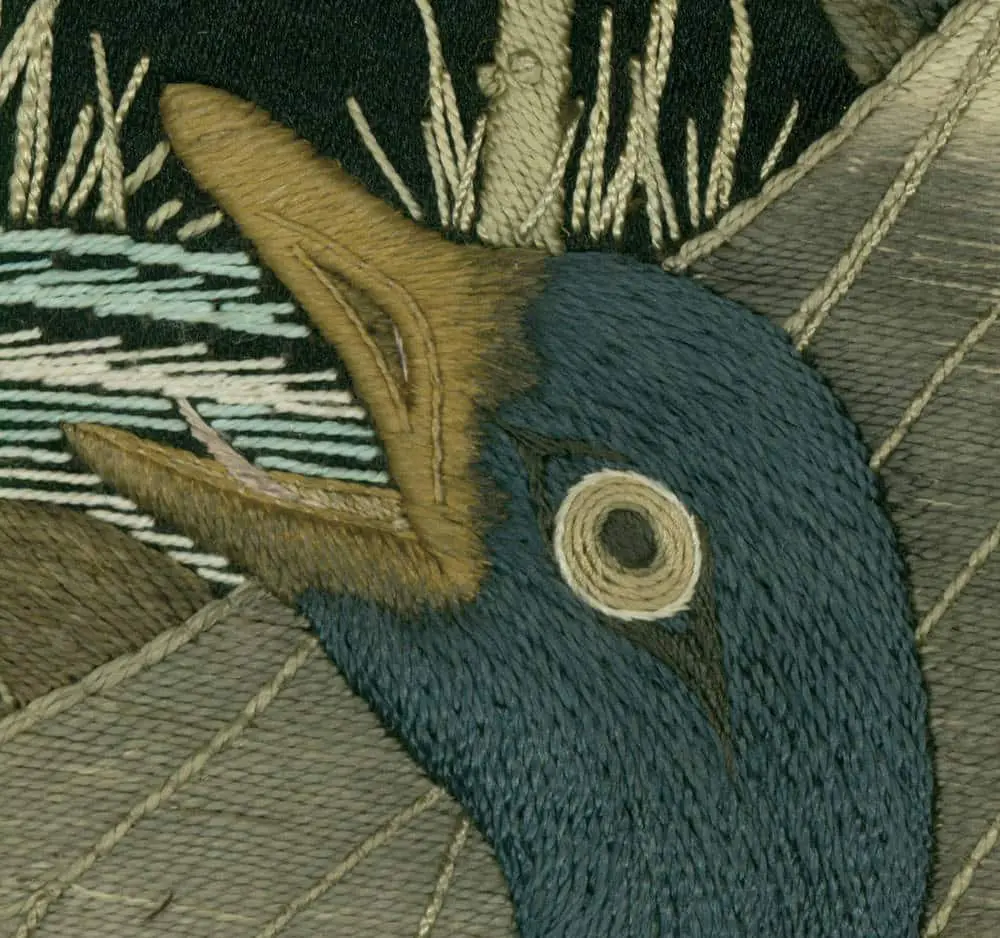
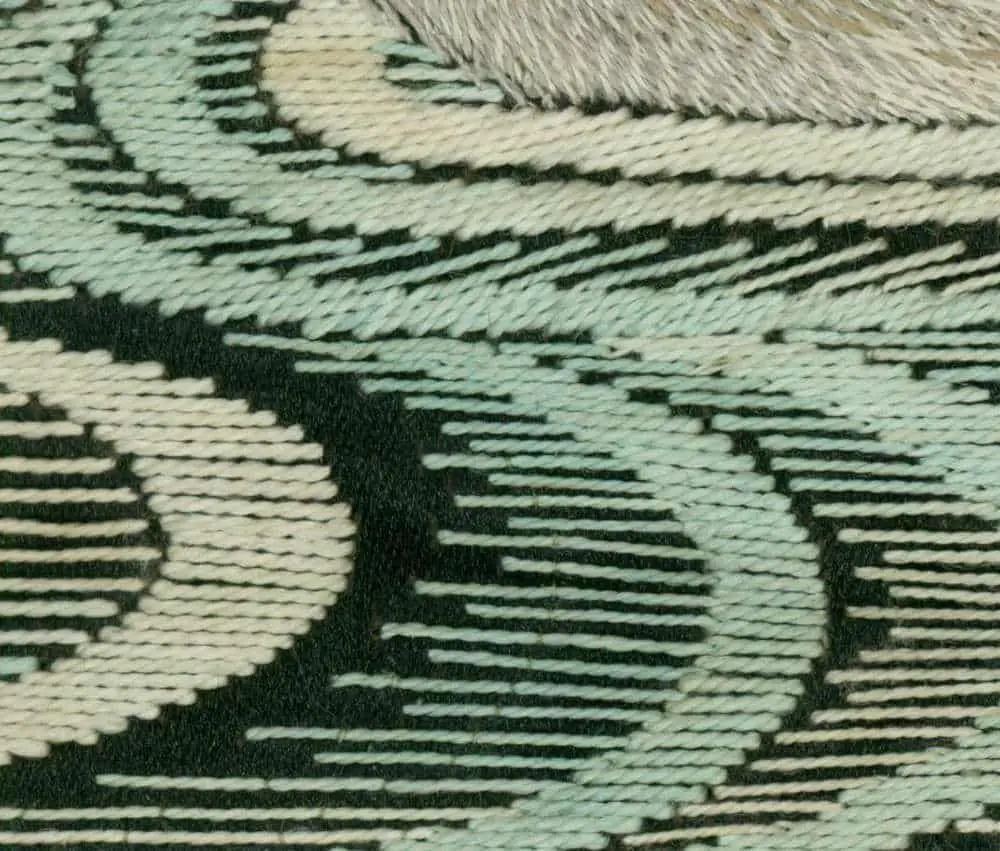
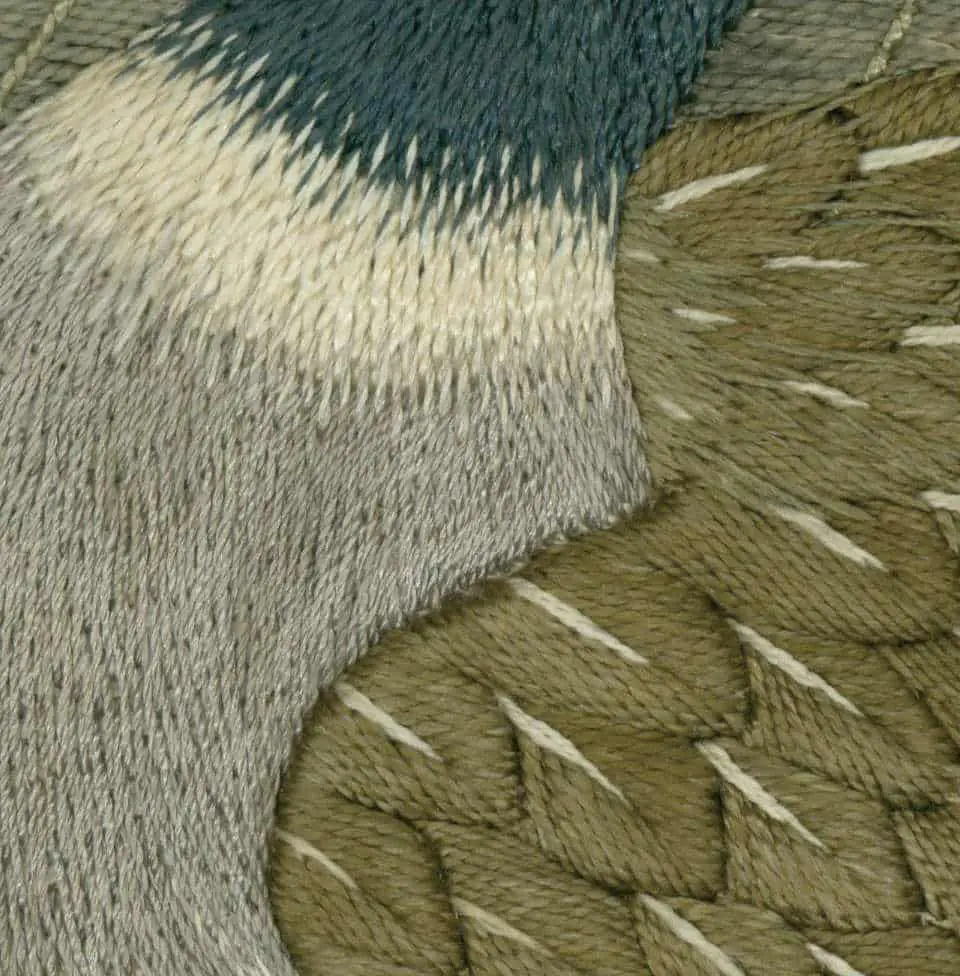
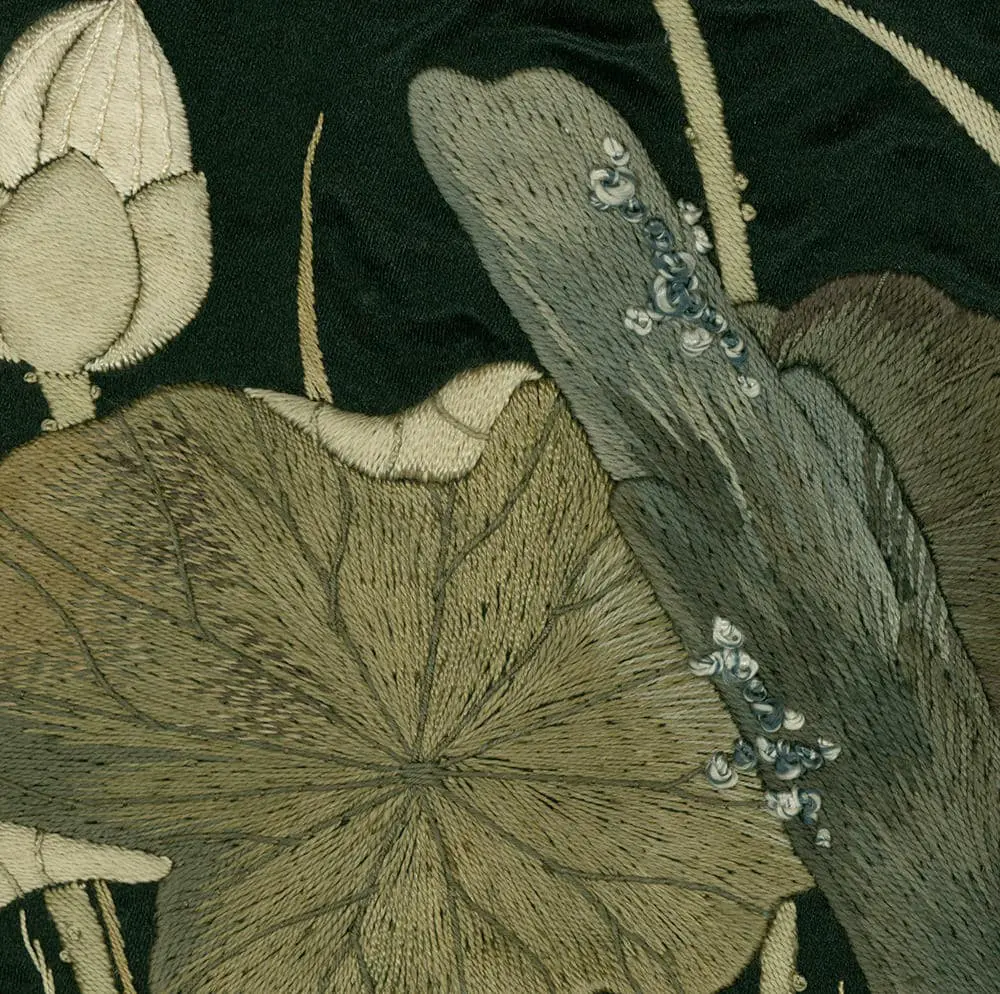
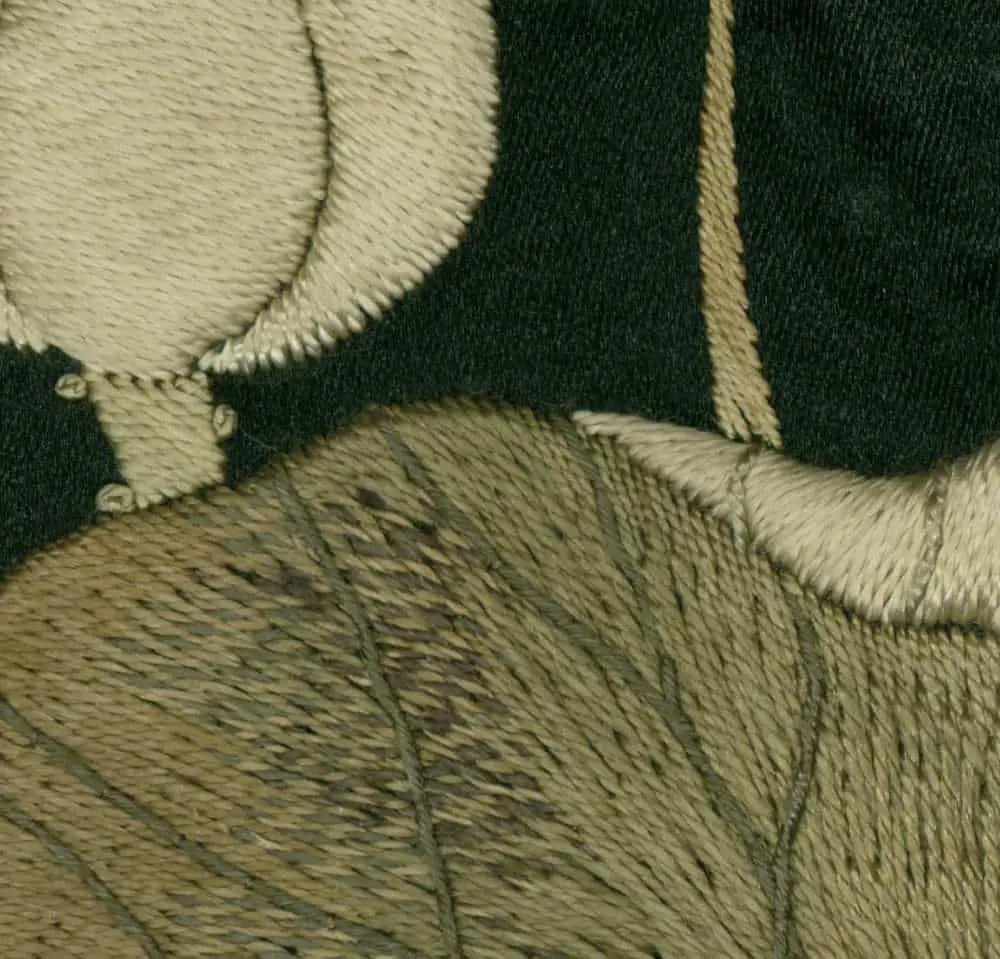
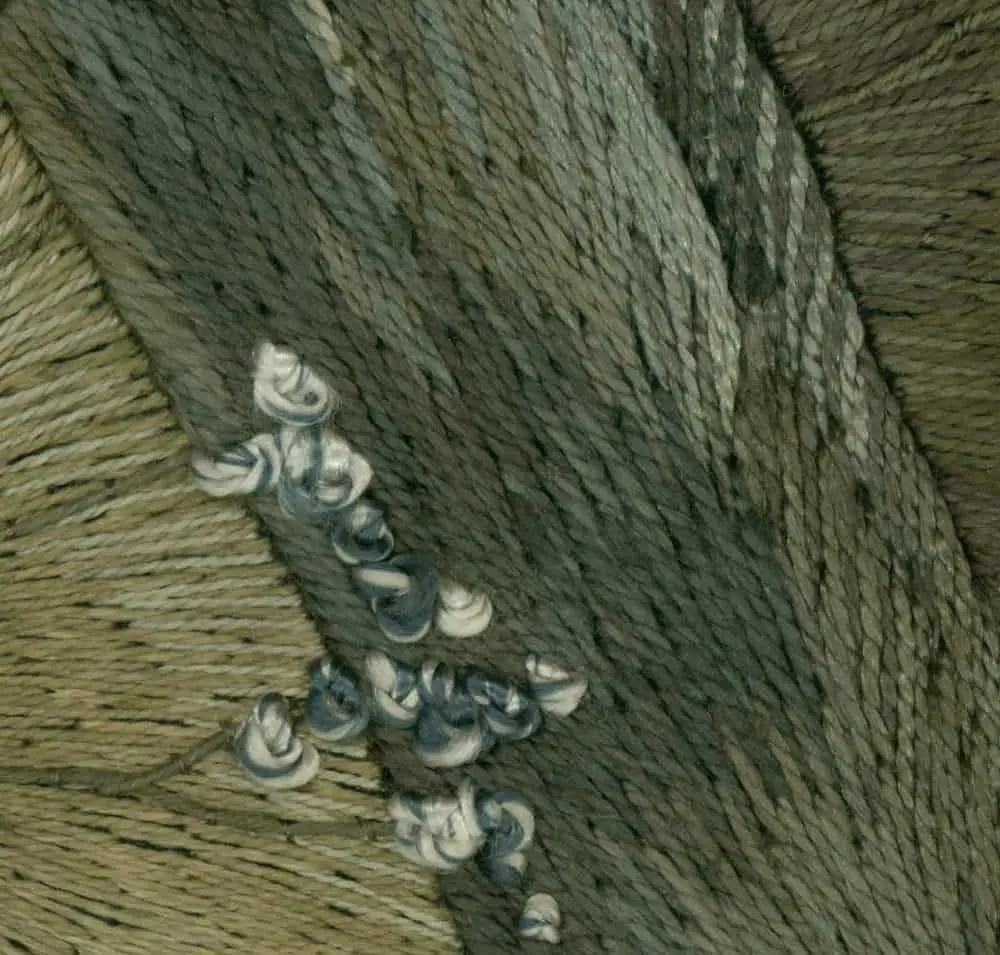
This superior and rare example of Japanese export embroidery, dating to the late Meiji period (1890–1912), represents the pinnacle of naturalistic silk-work produced for the international market. Measuring 20 inches in width and 52 inches in height (50.8 cm x 132.1 cm), the vertical composition is rendered on a deep black silk satin ground that provides a dramatic, void-like space for the subject to inhabit.
The scene depicts a lush lotus pond teeming with life:
The quality of this embroidery is akin to renowned pieces held in the Kiyomizu Sannenzaka Museum, known for its collection of high-art Meiji-era crafts. Despite its age, the textile remains in very good condition.

Payment Options: We primarily accept PayPal for all transactions. Credit and debit cards are not accepted. If you prefer to pay by personal check instead of PayPal, please note this preference in the "Additional comments" field when placing your order.Ordering Process
To receive your PayPal invoice, simply fill out the form.
Shipping Details: We ship all orders to the address associated with your PayPal payment. Please ensure your PayPal shipping address is current and accurate.A phone number is required during checkout, as our shipping carrier may need to contact you regarding delivery questions.Shipping RatesUnited States and Canada: $20International destinations (air mail): $40
