Copyright © 2026 Yorke Antique Textiles
.avif)


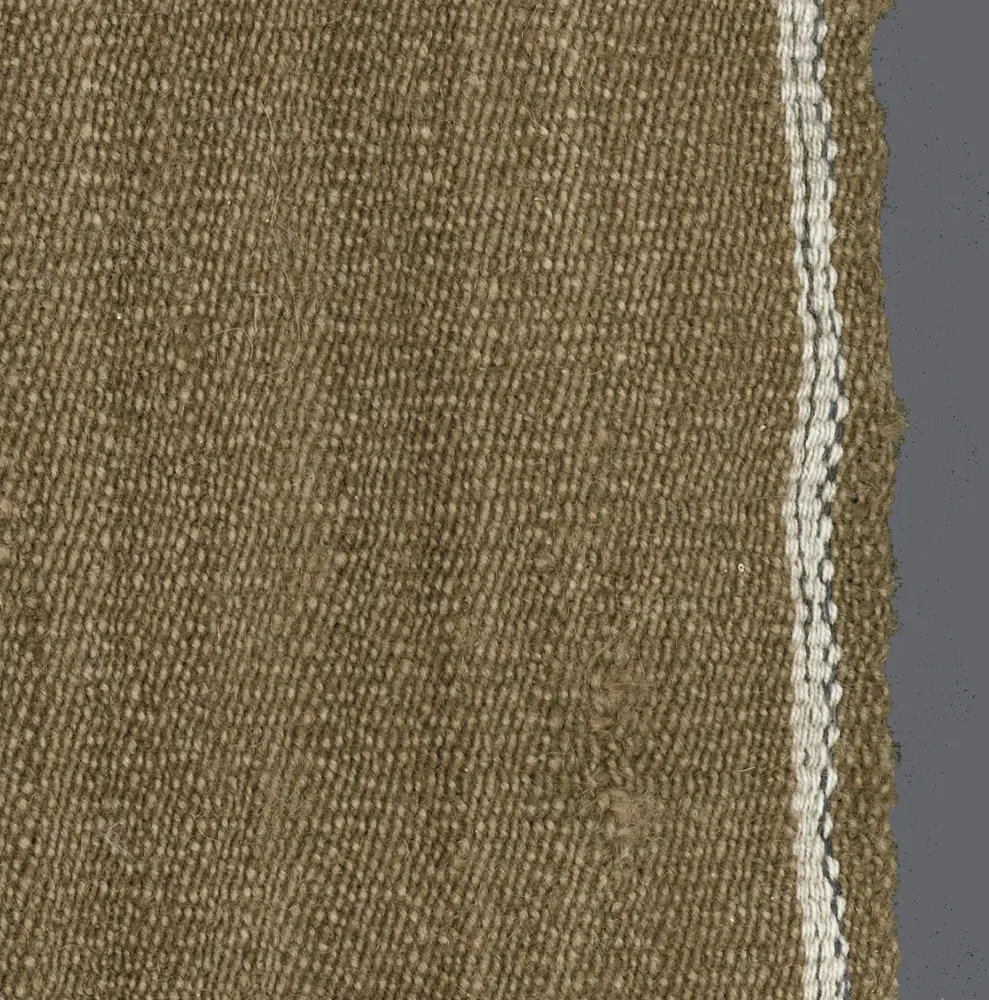
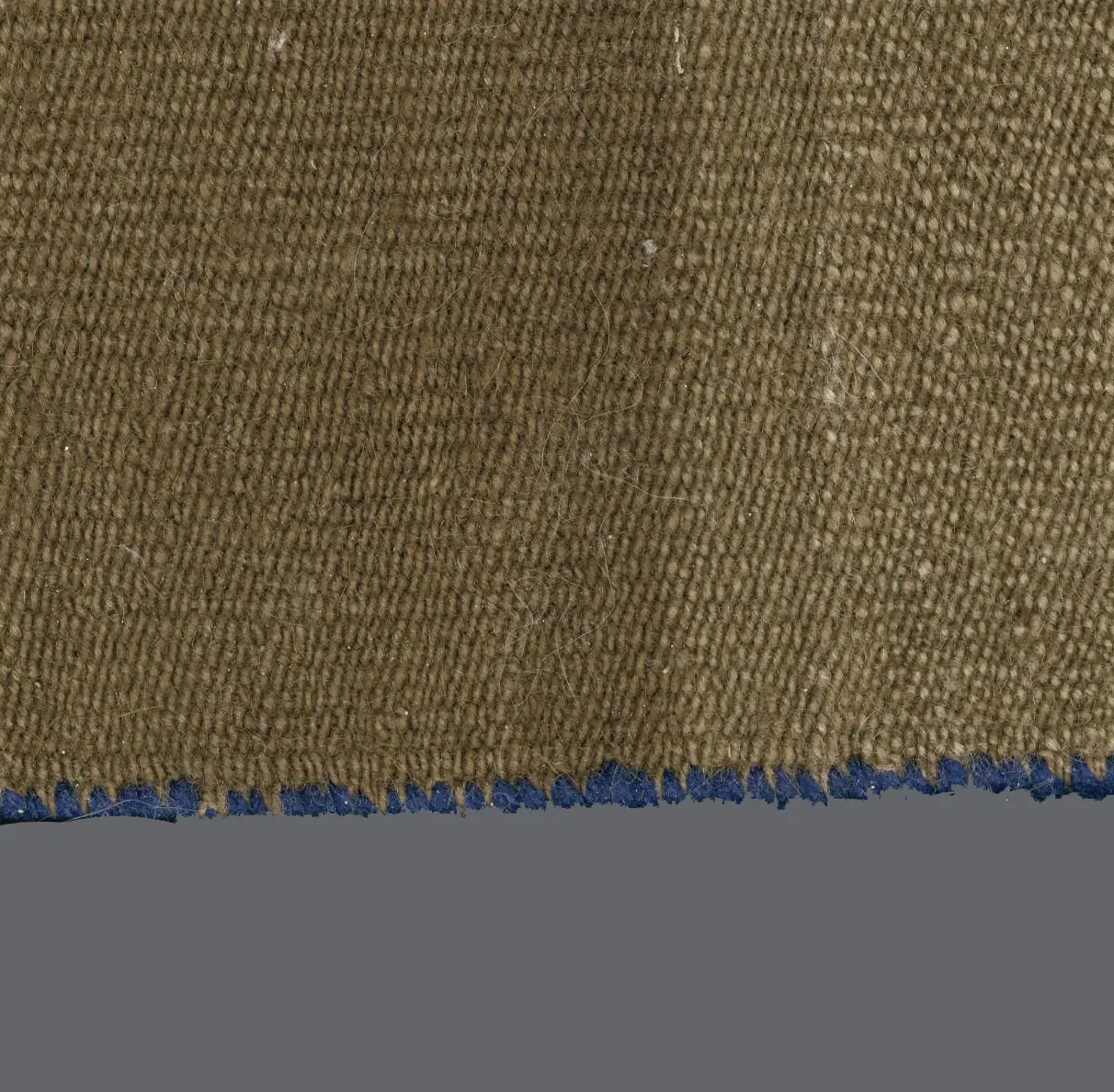

This rare hand-woven headcloth originates from the isolated Chipaya village in the Sabaya Province (formerly Atahuallpa) of the Department of Oruro, Bolivia. Dating to approximately the 1920s or 1930s, the textile is a significant cultural artifact from one of the oldest ethnic groups in the Andes, the Uru-Chipaya, who identify as Qhas Soñí or "people of the water". The headcloth is crafted from uncolored, natural alpaca fiber, prized for its warmth and resistance to the harsh, wind-swept high-altitude climate of the Salar de Coipasa region.
The textile features a minimalist aesthetic that reflects the Chipaya's millennial-old commitment to preserving their ancestral traditions. The main body is a finely woven, neutral-toned alpaca cloth, left in its natural ivory or cream state. This understated field is accented by a hand-stitched purple border, which provides a striking geometric frame to the garment. The use of purple thread, likely derived from early synthetic or rare natural dyes, serves as a refined ceremonial finish for a community that has lived as a cultural island for over a thousand years.

Payment Options: We primarily accept PayPal for all transactions. Credit and debit cards are not accepted. If you prefer to pay by personal check instead of PayPal, please note this preference in the "Additional comments" field when placing your order.Ordering Process
To receive your PayPal invoice, simply fill out the form.
Shipping Details: We ship all orders to the address associated with your PayPal payment. Please ensure your PayPal shipping address is current and accurate.A phone number is required during checkout, as our shipping carrier may need to contact you regarding delivery questions.Shipping RatesUnited States and Canada: $20International destinations (air mail): $40
