Copyright © 2026 Yorke Antique Textiles
.avif)

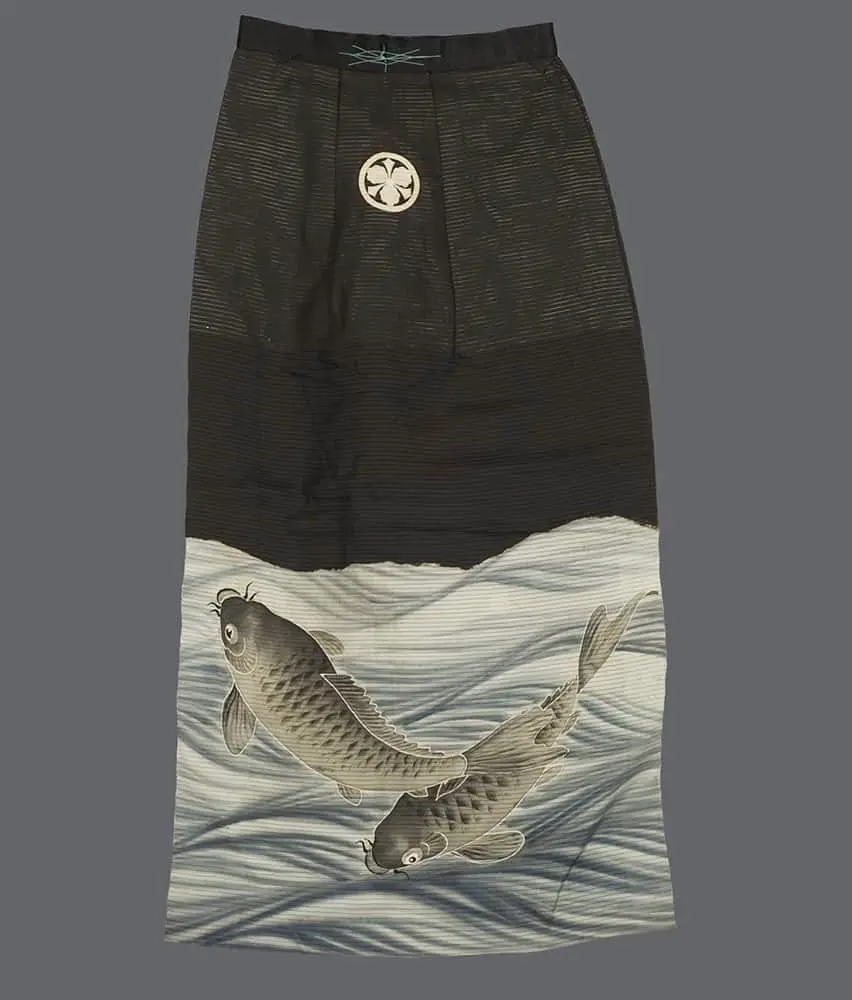
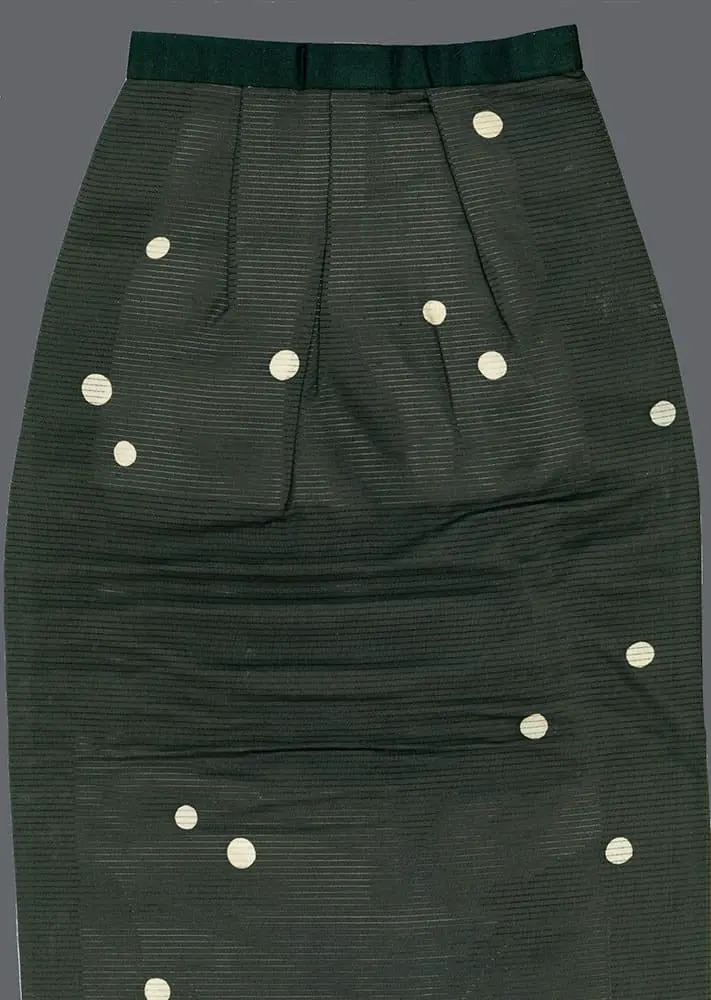
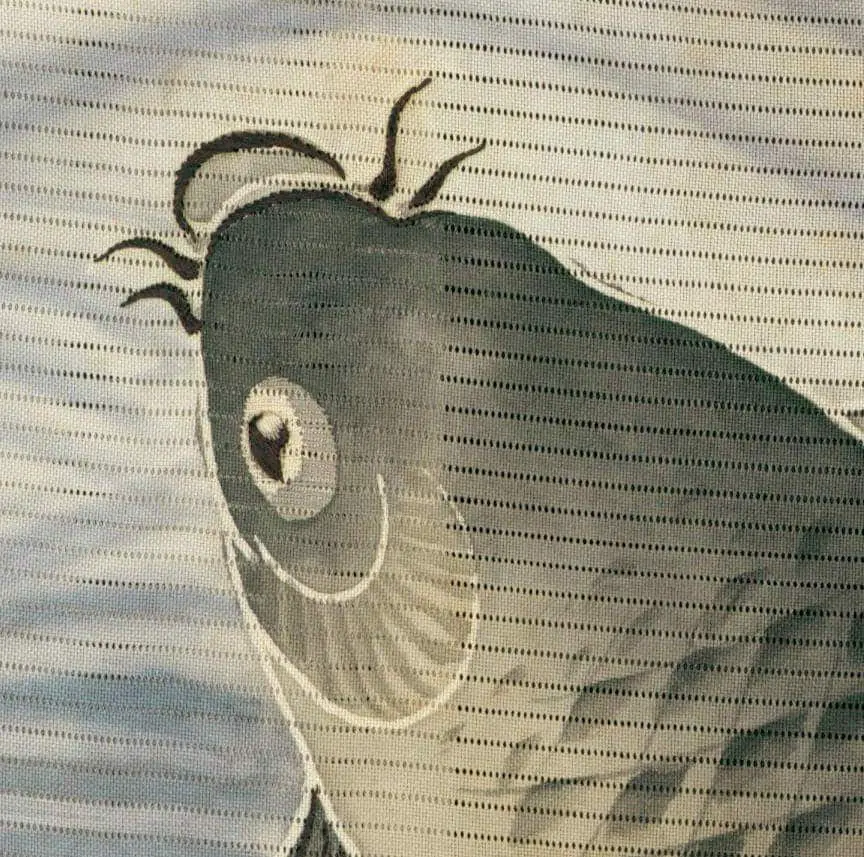
This exceptionally rare summer "ro" silk cap, dating to the Meiji period (1868–1912), is a remarkable survival of Japanese formal headwear. Measuring 21 inches by 12 inches (53 cm x 30 cm), the cap is part of a coordinated set and is crafted from ro silk—a traditional gauze weave characterized by horizontal breaks that allow for maximum breathability during humid summer months. The upper portion of the cap features a subtle, tonal kikkō (tortoise shell) pattern woven into the black silk, symbolizing longevity and structural strength.
The lower section of the cap transitions into a dynamic, hand-painted scene of two carp (koi) swimming through grey-blue churning waves. In Japanese culture, the carp is a powerful symbol of perseverance and worldly success, based on the legend that a fish strong enough to swim upstream and leap the "Dragon Gate" would be transformed into a dragon. A circular family crest (mon) featuring a stylized four-petaled flower is positioned centrally at the top, indicating the wearer's lineage. Despite minor staining, the piece is in very good condition, retaining the crispness of its semi-transparent weave.
This artwork is featured on pages 406-407 of Ceremonial Textiles of Japan, 18th to 20th Centuries. This book, published by Yorke Antique Textiles, can be previewed or purchased on our website here.

Payment Options: We primarily accept PayPal for all transactions. Credit and debit cards are not accepted. If you prefer to pay by personal check instead of PayPal, please note this preference in the "Additional comments" field when placing your order.Ordering Process
To receive your PayPal invoice, simply fill out the form.
Shipping Details: We ship all orders to the address associated with your PayPal payment. Please ensure your PayPal shipping address is current and accurate.A phone number is required during checkout, as our shipping carrier may need to contact you regarding delivery questions.Shipping RatesUnited States and Canada: $20International destinations (air mail): $40
