Copyright © 2026 Yorke Antique Textiles
.avif)

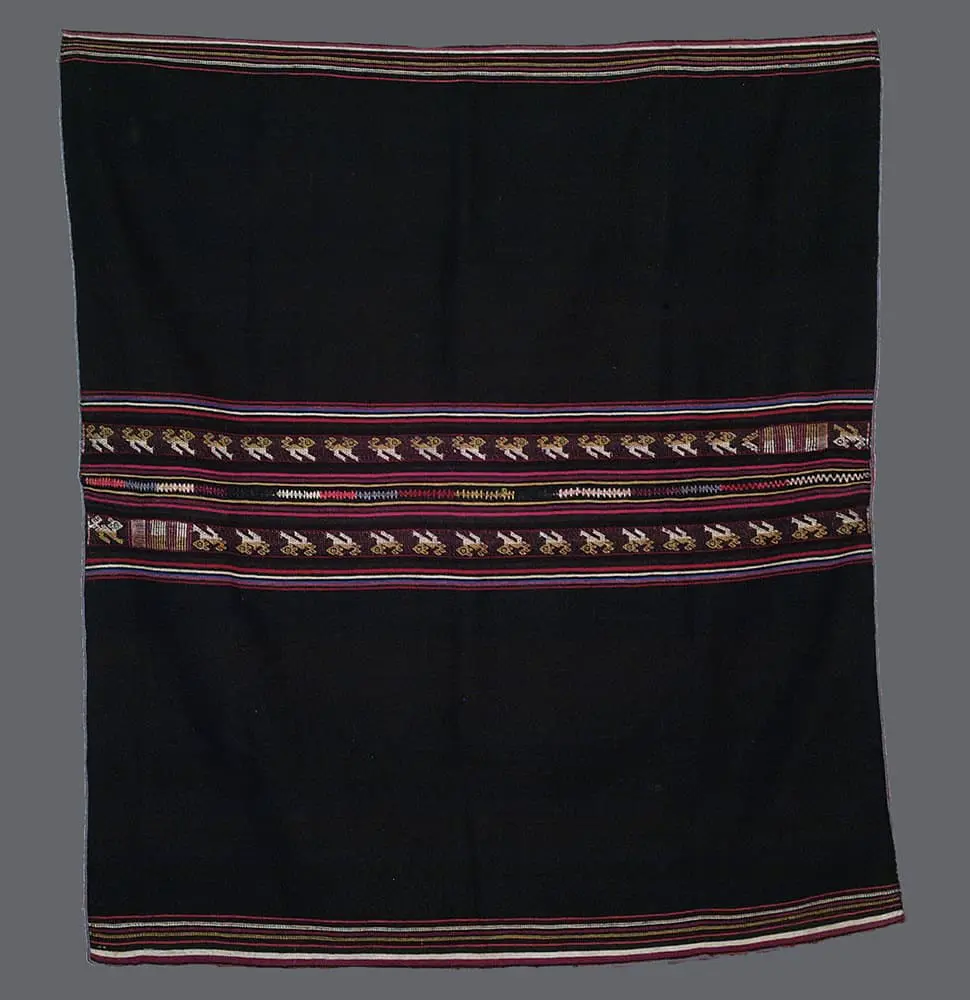
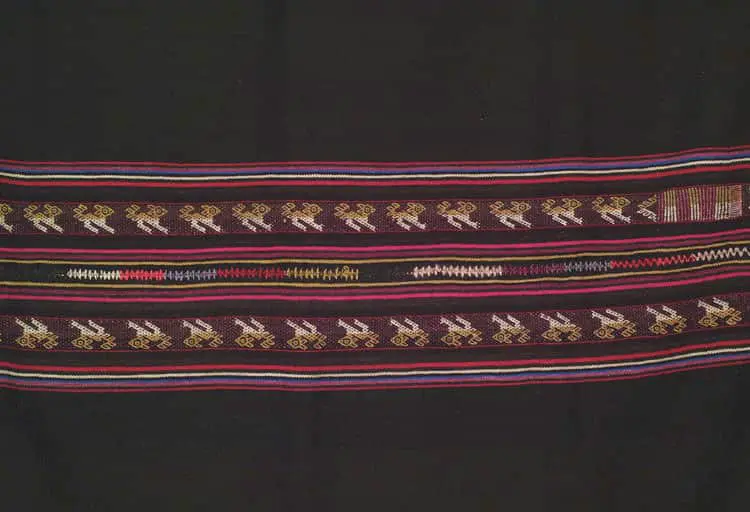
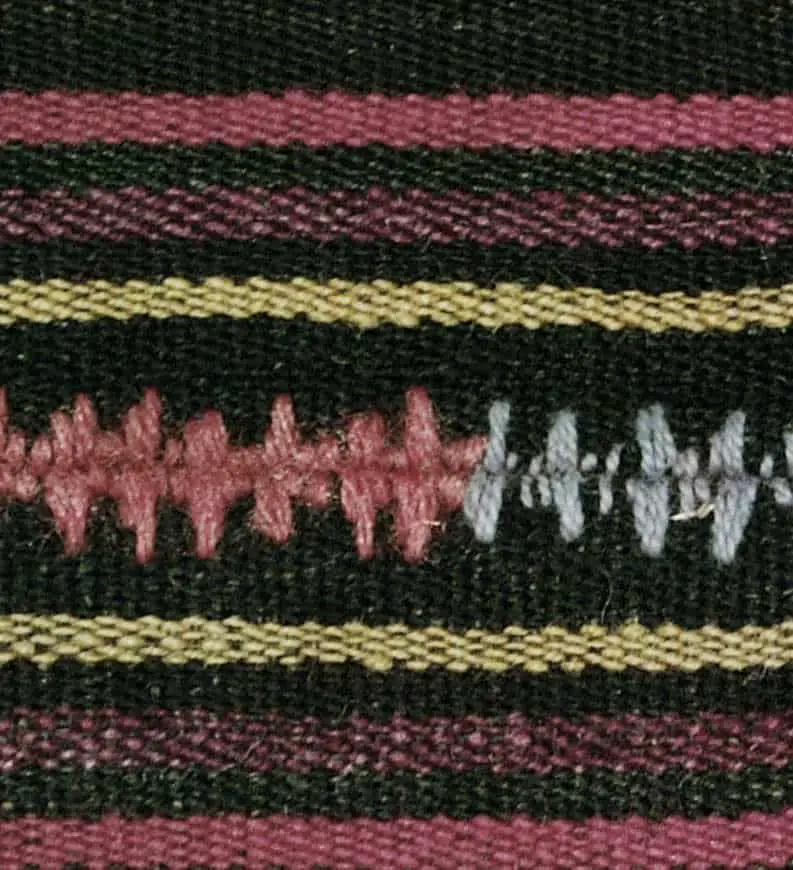
This finely crafted awayu (also known as an aguayo) originates from the Northern Department of Potosí, Bolivia, and dates to the mid-20th century, specifically 1940–1960. Measuring 44 inches by 44 inches (112 cm x 112 cm), the textile is in excellent condition and represents a quintessential garment for Aymara women in the high Andean plateau. Traditionally, these square cloths are made by stitching together two identical halves—known as complementary weavings—which are woven on a backstrap loom and then joined at a central seam. This structural method ensures the garment is large enough to serve as both a ceremonial cape and a heavy-duty carrying cloth for babies, food, or ritual items.
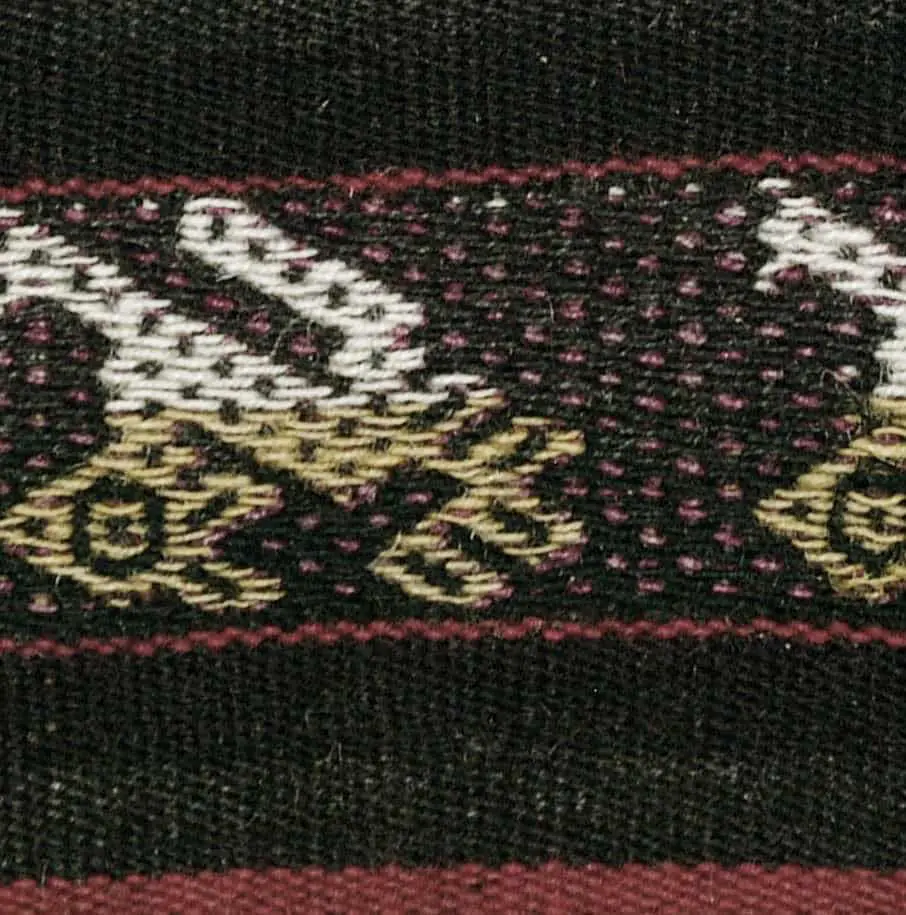
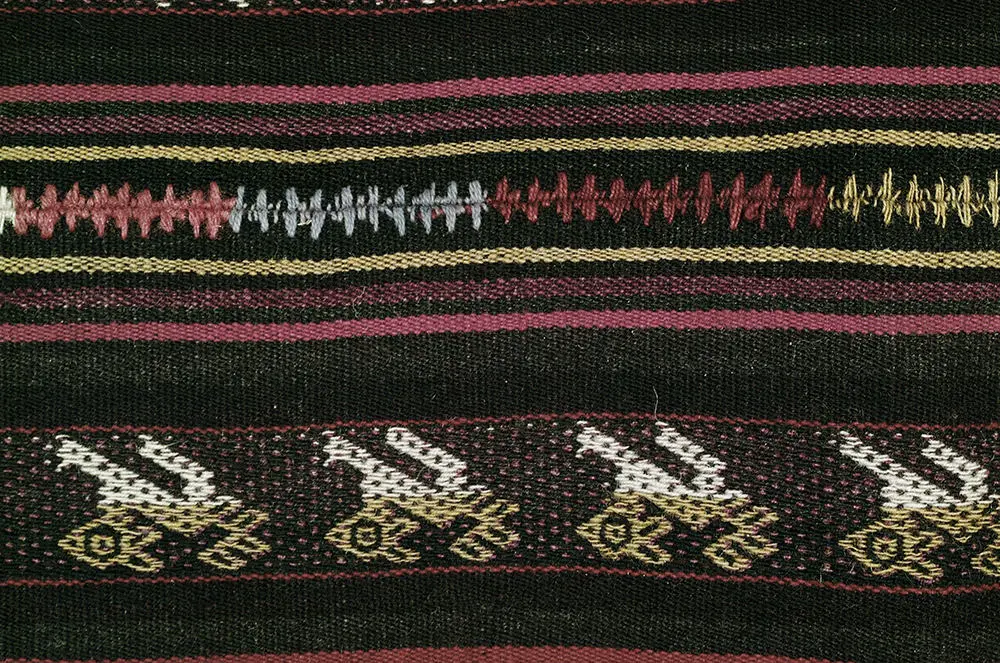
The aesthetic of Northern Potosí awayus from this period is defined by a sophisticated balance of plain and patterned fields. Large, monochromatic sections of plain weave—referred to as pampa—symbolize the vast high-altitude plains of the Altiplano. These are punctuated by dense vertical registers of intricate warp-faced patterns, or pallay, which showcase the weaver's technical mastery and regional identity. The color palette for mid-century ceremonial pieces often utilizes rich, naturally dyed fibers, featuring deep reds from cochineal and blues from indigo, creating a vibrant, multi-colored effect that remains central to Aymara cultural expression.

Payment Options: We primarily accept PayPal for all transactions. Credit and debit cards are not accepted. If you prefer to pay by personal check instead of PayPal, please note this preference in the "Additional comments" field when placing your order.Ordering Process
To receive your PayPal invoice, simply fill out the form.
Shipping Details: We ship all orders to the address associated with your PayPal payment. Please ensure your PayPal shipping address is current and accurate.A phone number is required during checkout, as our shipping carrier may need to contact you regarding delivery questions.Shipping RatesUnited States and Canada: $20International destinations (air mail): $40
