Copyright © 2026 Yorke Antique Textiles
.avif)

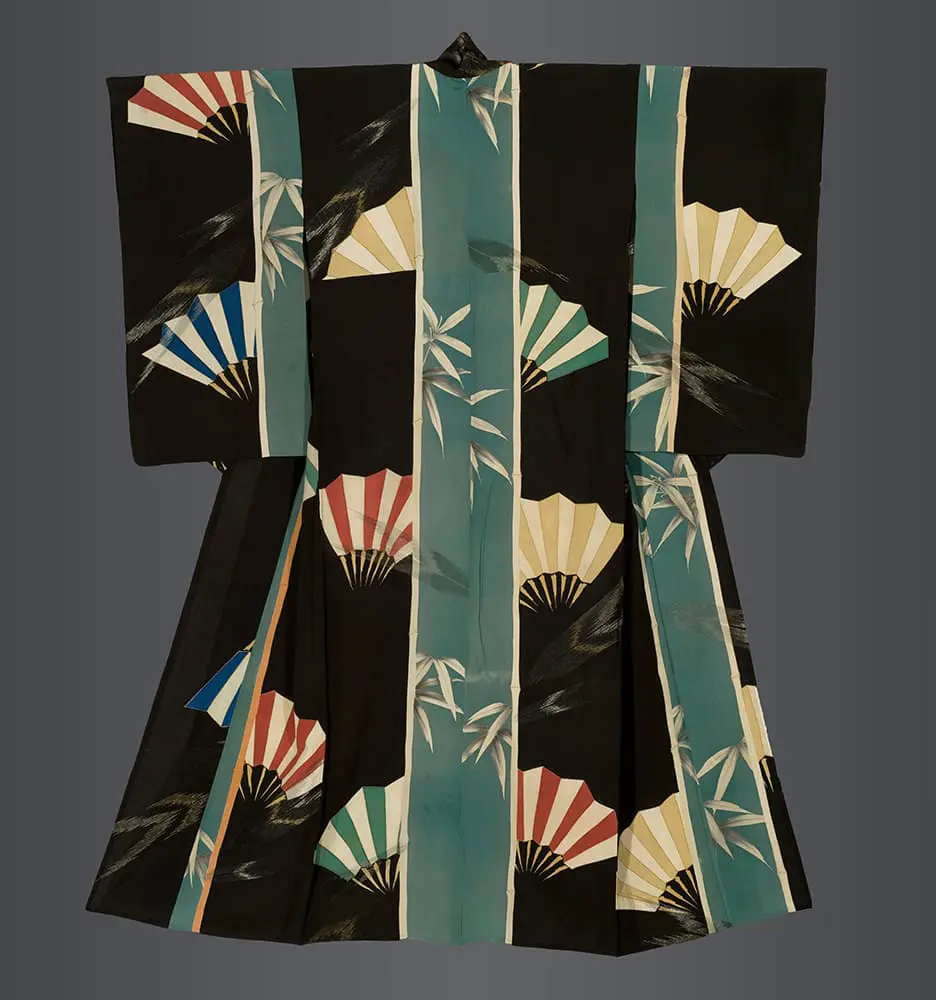
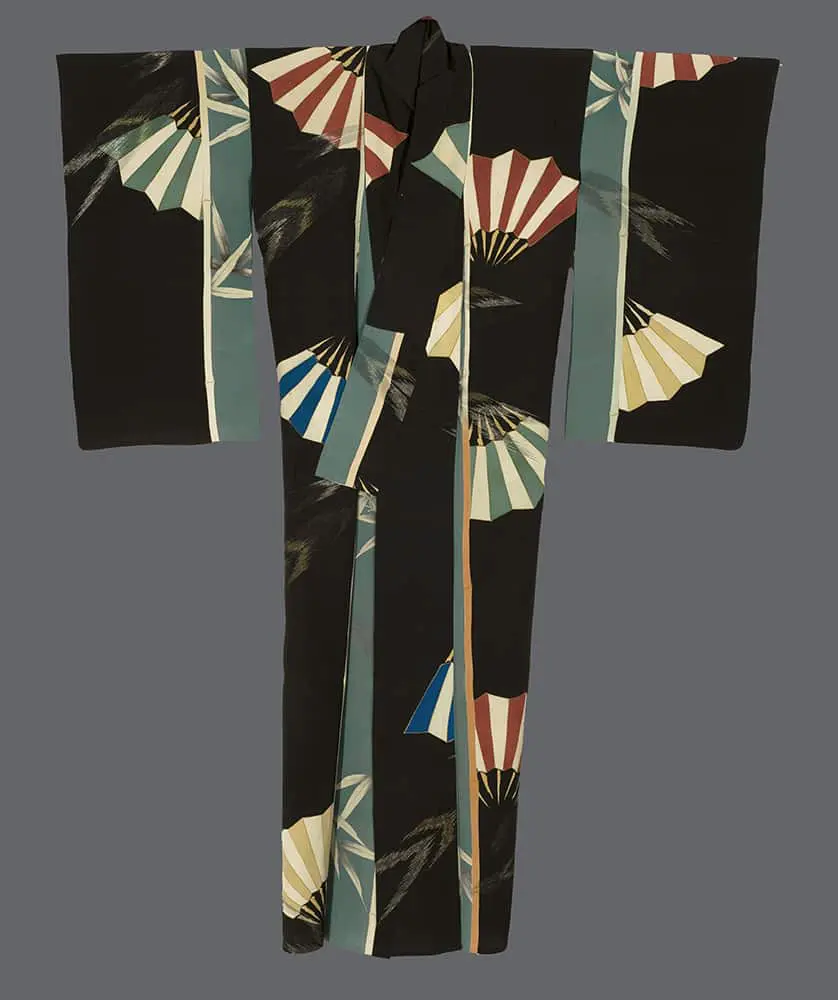
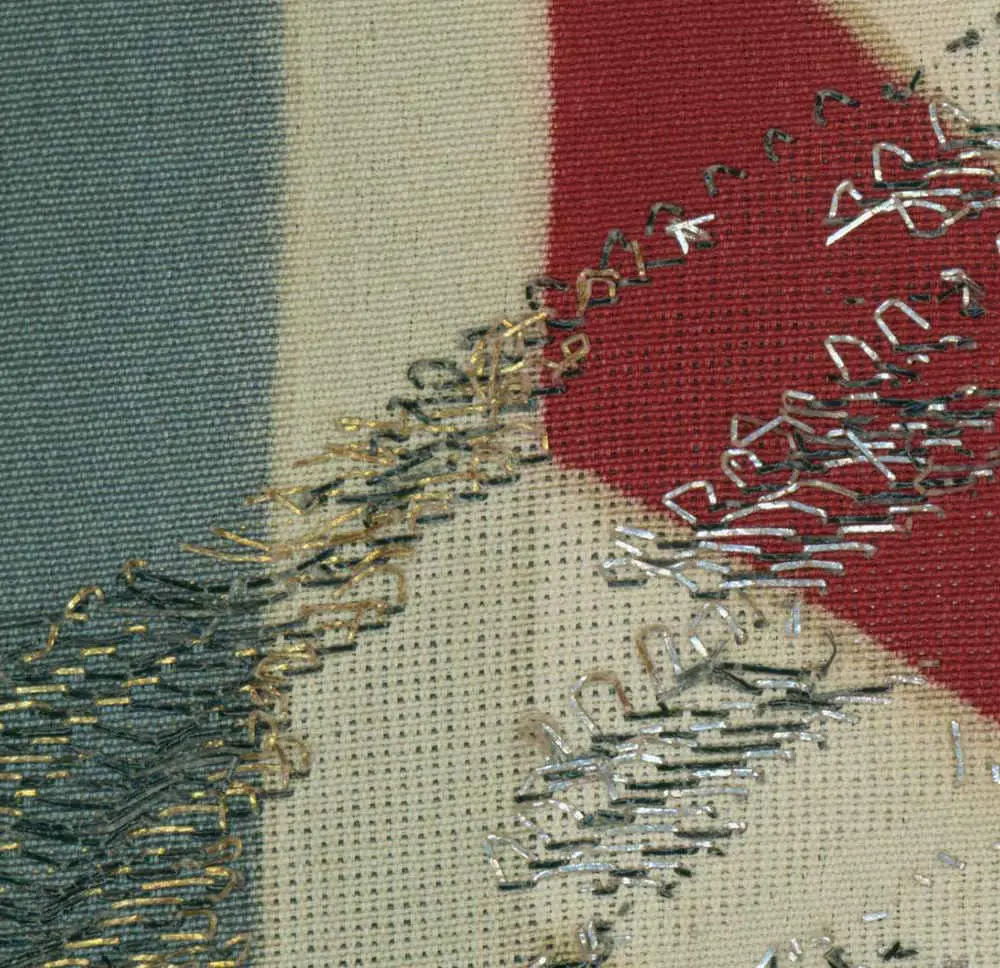

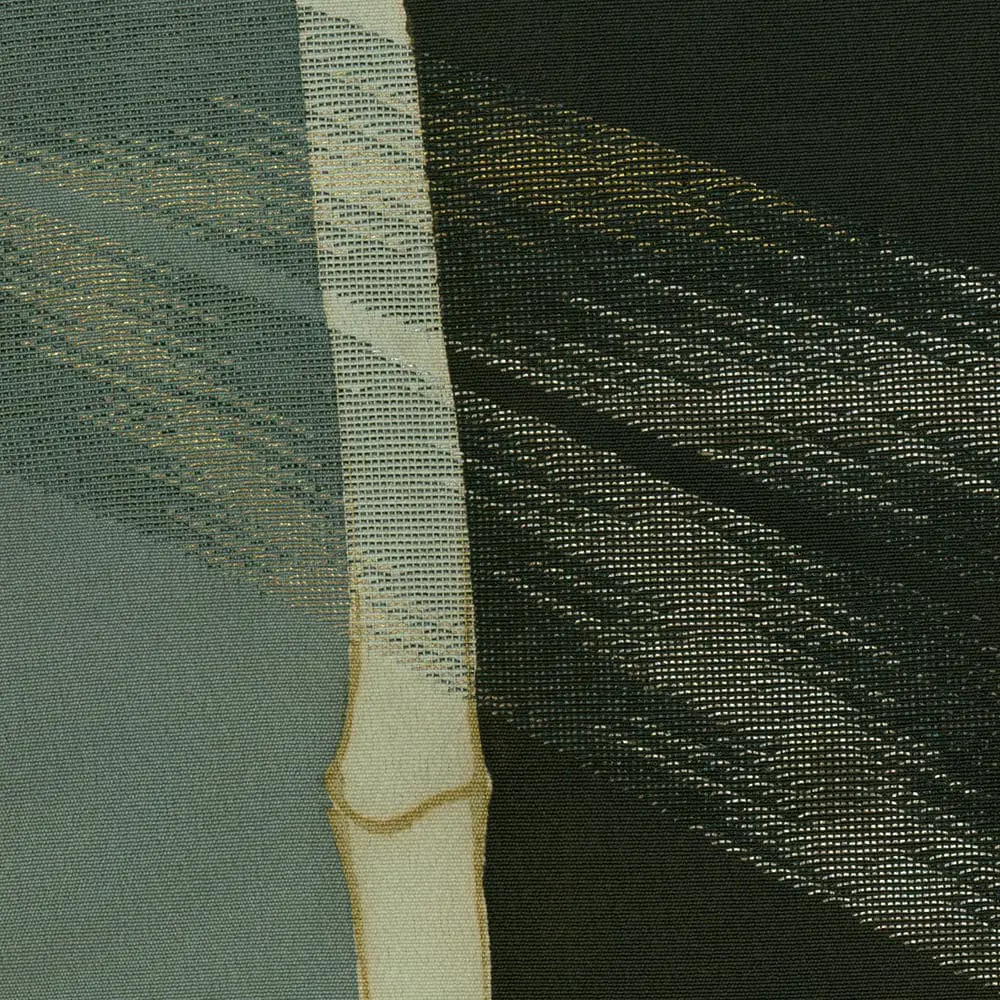
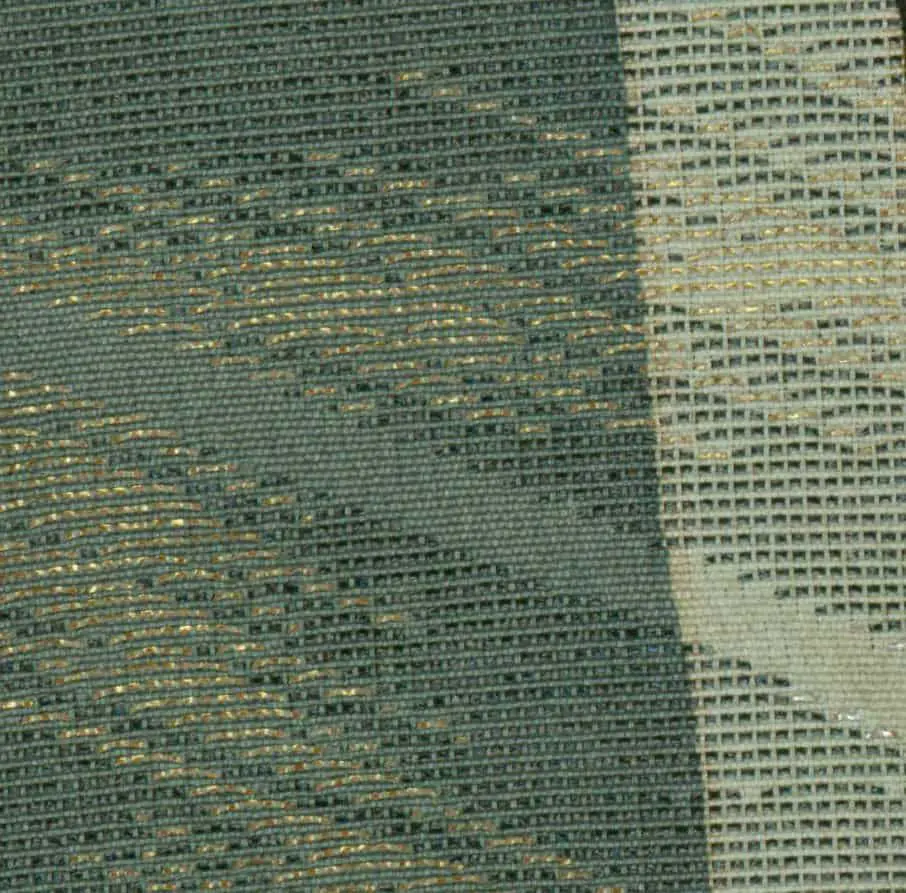
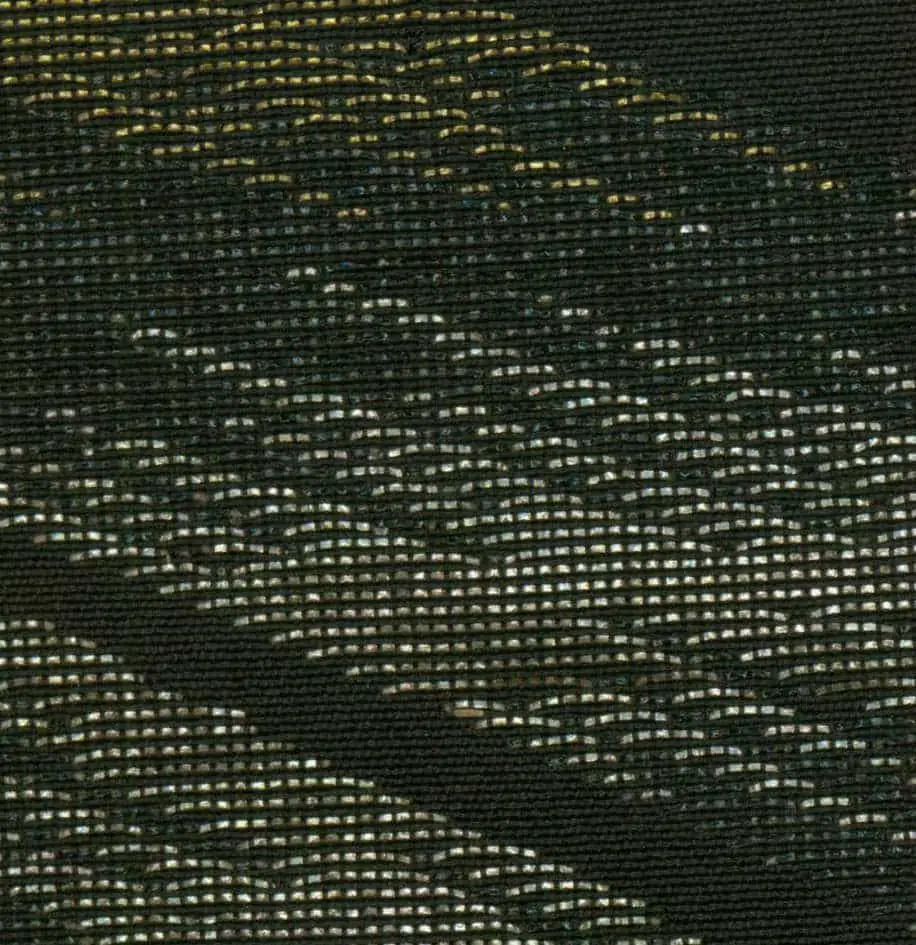
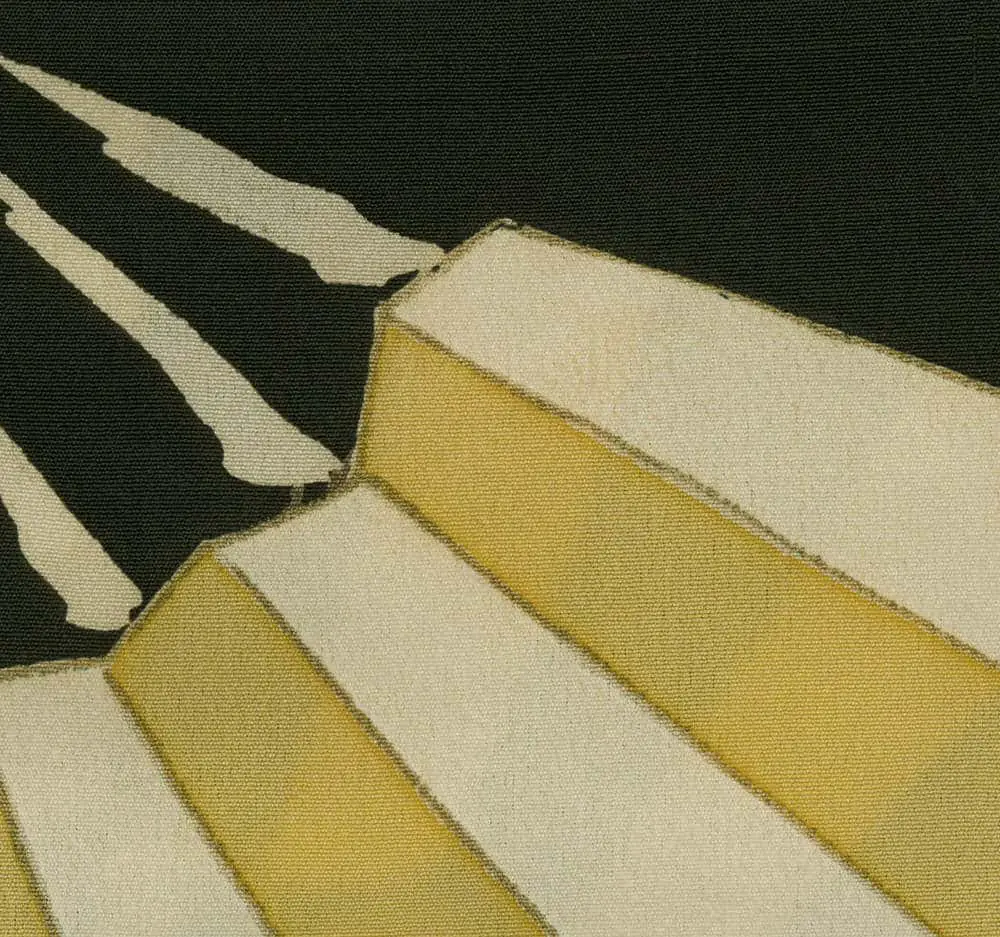
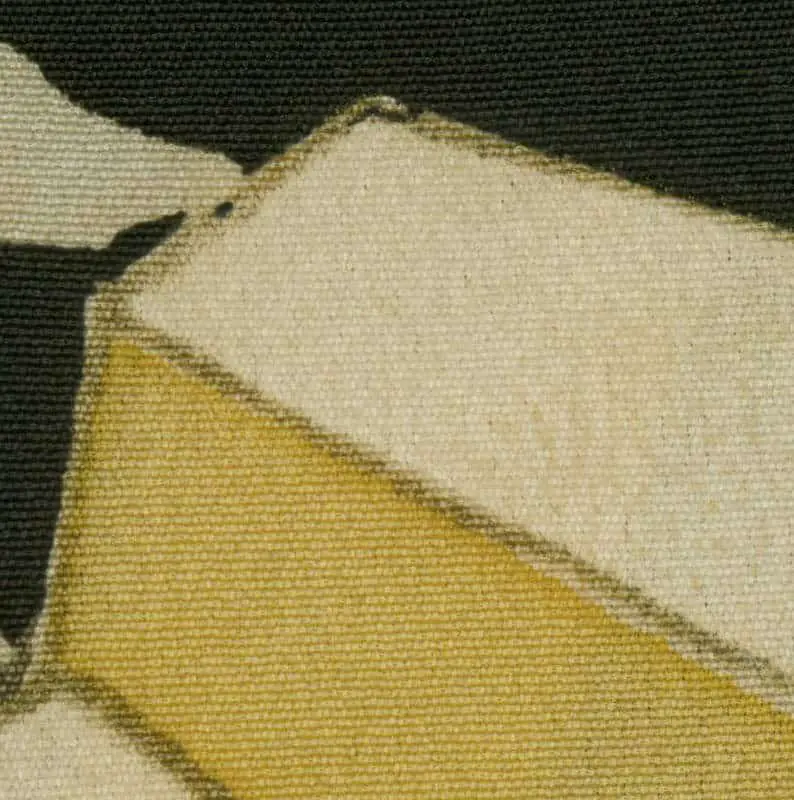
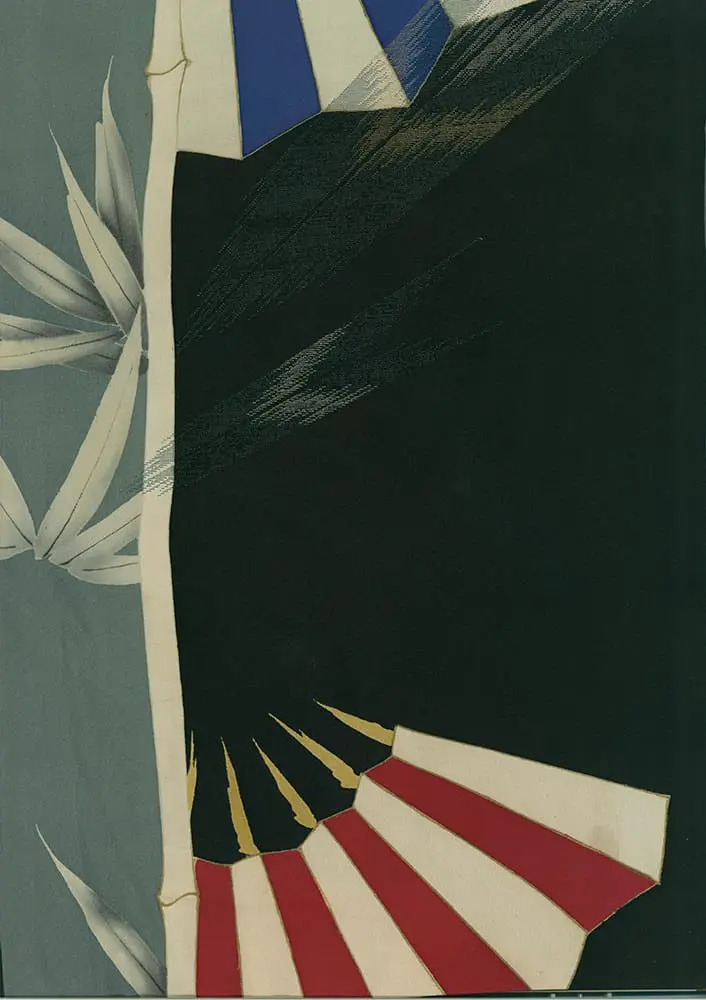

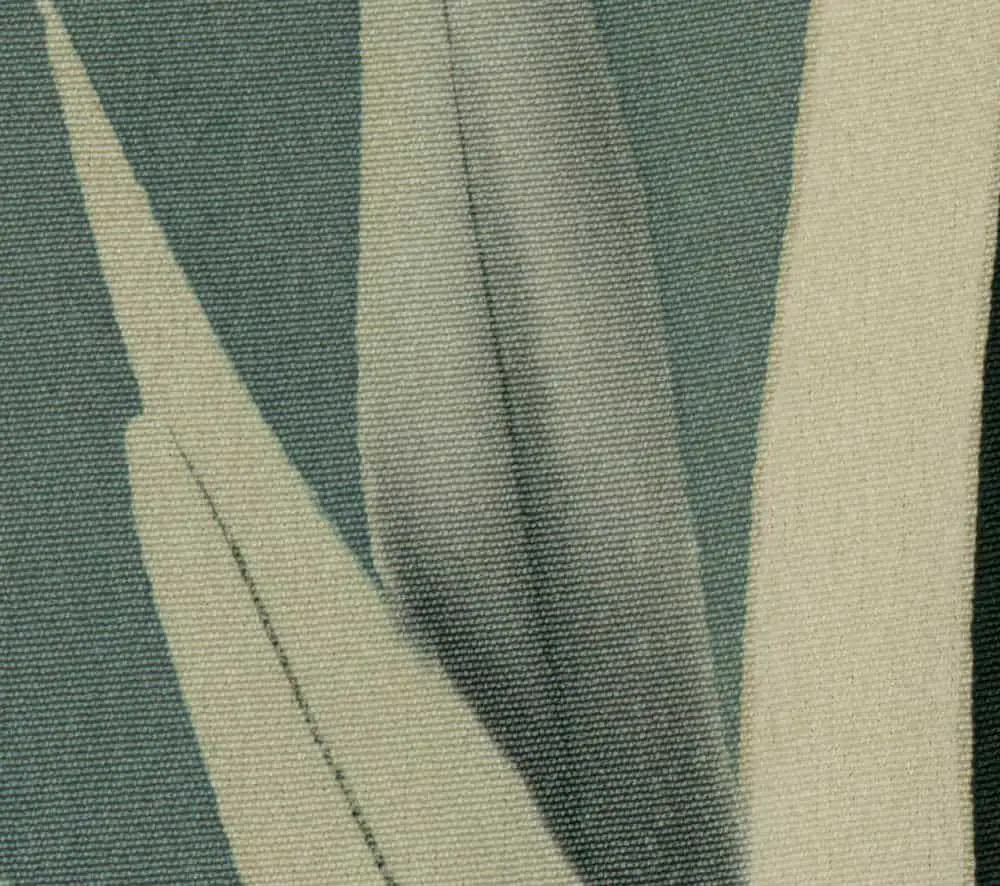
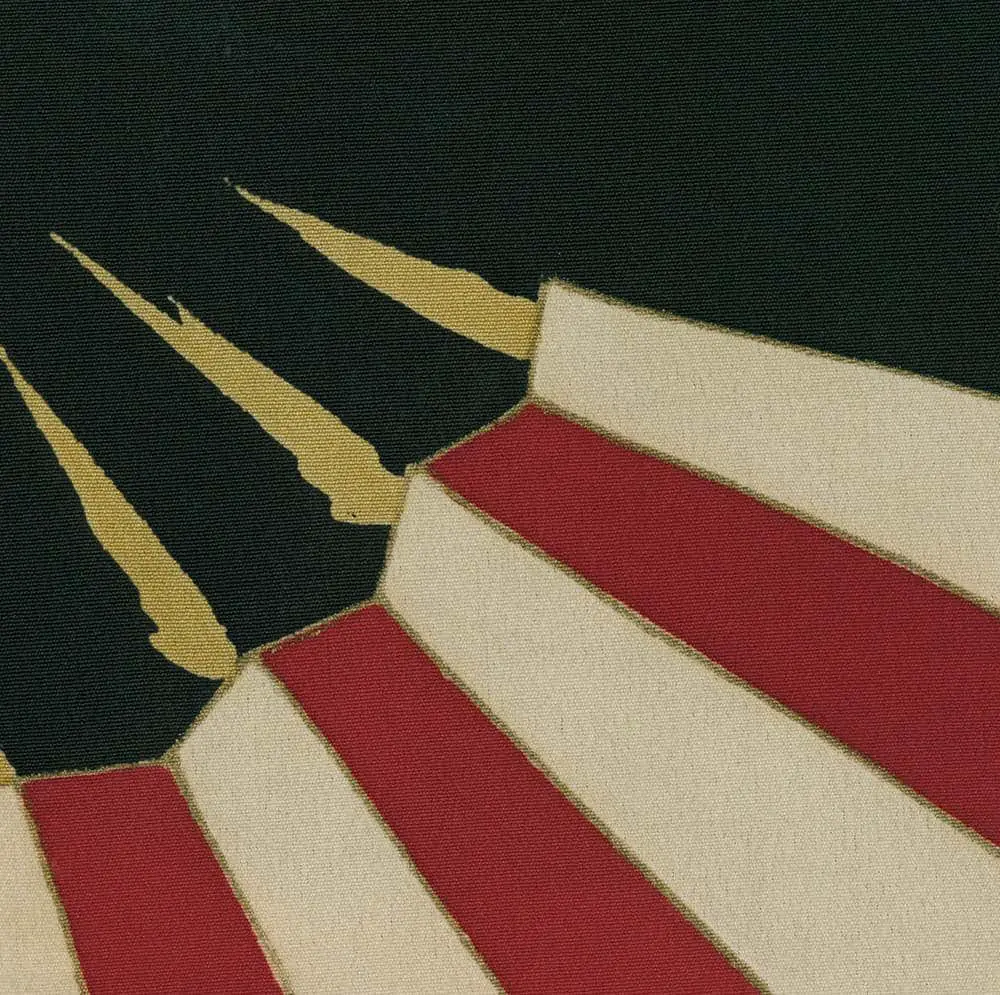

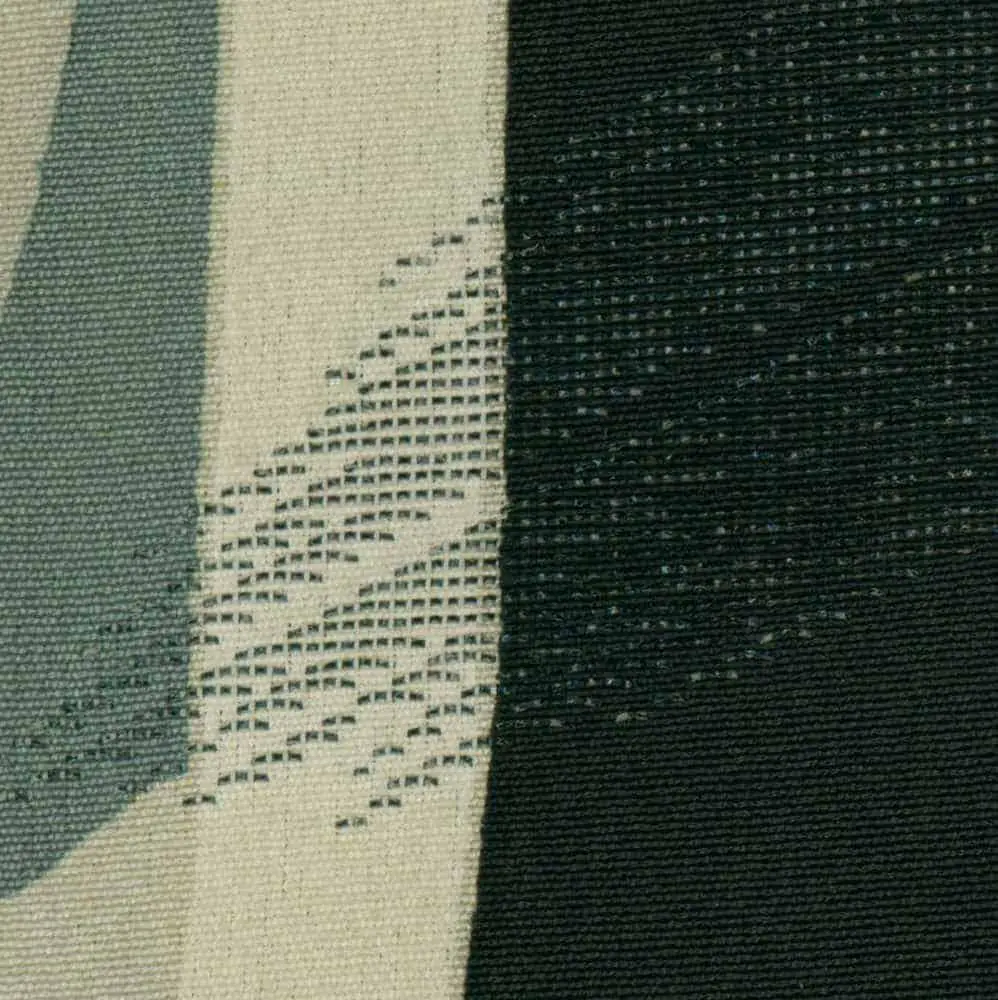
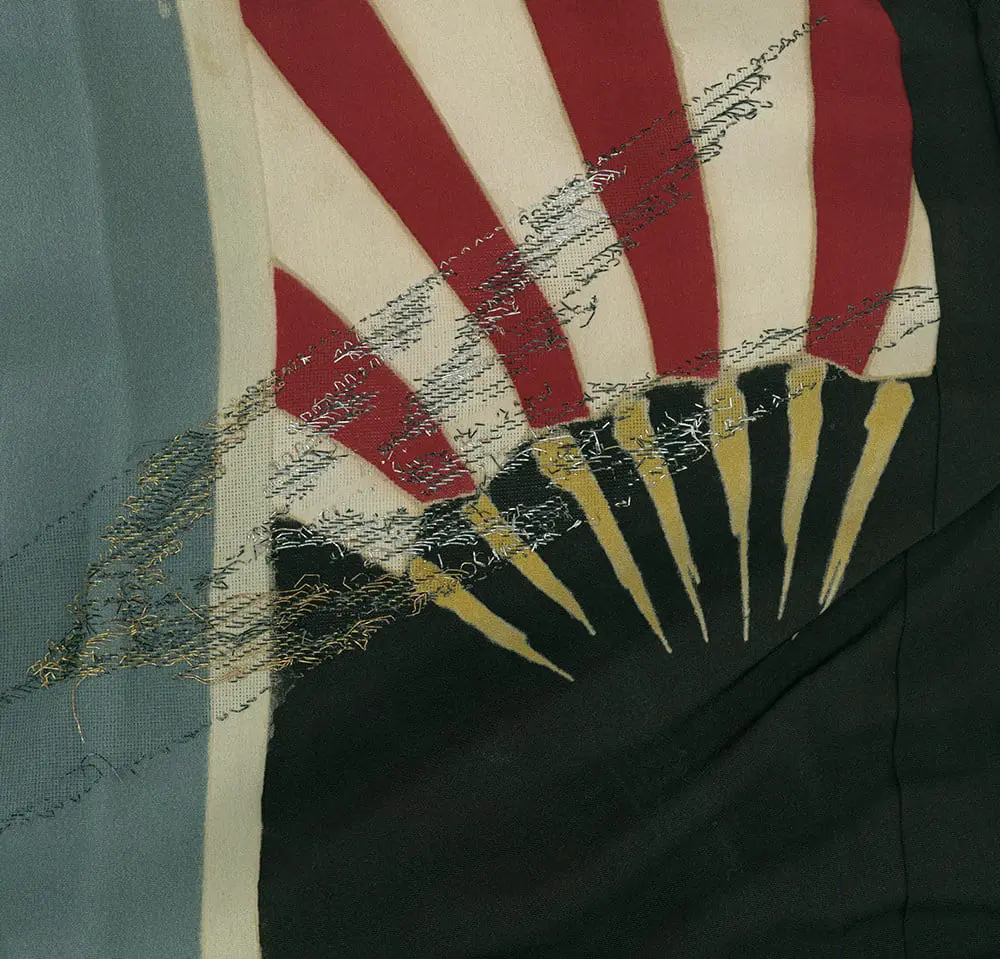

This silk hitoe summer kimono demonstrates the sophisticated artistry of yuzen painting technique, where colorful fans and delicately shaded bamboo motifs create a harmonious composition against contrasting black and teal vertical bands. The design reflects the Japanese aesthetic principle of seasonal appropriateness, with bamboo symbolizing resilience, flexibility, and prosperity, while the decorative fans evoke coolness and elegance suitable for summer wear. The subtle yabane (arrow feather) motifs, embroidered at precise 45-degree angles using lustrous metallic and black urushi-lacquered threads, add both textural interest and symbolic meaning—traditionally representing protection from evil and the ability to move forward without looking back, making them popular motifs for celebratory garments.
The overall composition reveals influences from the Meiji period's artistic synthesis, where traditional Japanese design vocabulary was refined and sometimes reinterpreted through exposure to Western artistic concepts, though this piece maintains distinctly Japanese sensibilities. The strategic use of negative space, asymmetrical balance, and the interplay between painted and embroidered elements reflects the mature development of textile arts during this period. The color palette of deep blacks, sage greens, warm corals, and golden yellows creates visual depth while maintaining the sophisticated restraint characteristic of high-quality Japanese textiles, where technical mastery serves aesthetic refinement rather than ostentatious display.
It features a discreet 1-inch silk split. Its measurements are 48 inches (122 cm) from sleeve-end to sleeve-end and 60 inches (152 cm) in height.
This artwork is featured on page 246 of Art Kimono: Aesthetic Revelations of Japan, 1905-1960. This book, published by Yorke Antique Textiles, can be previewed or purchased on our website here.

Payment Options: We primarily accept PayPal for all transactions. Credit and debit cards are not accepted. If you prefer to pay by personal check instead of PayPal, please note this preference in the "Additional comments" field when placing your order.Ordering Process
To receive your PayPal invoice, simply fill out the form.
Shipping Details: We ship all orders to the address associated with your PayPal payment. Please ensure your PayPal shipping address is current and accurate.A phone number is required during checkout, as our shipping carrier may need to contact you regarding delivery questions.Shipping RatesUnited States and Canada: $20International destinations (air mail): $40
